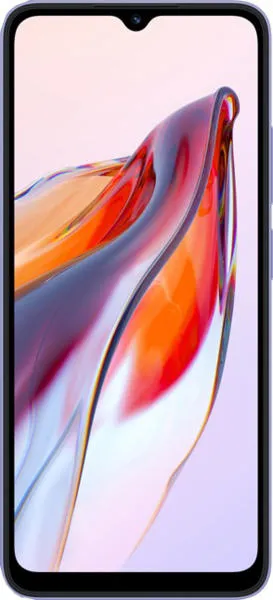
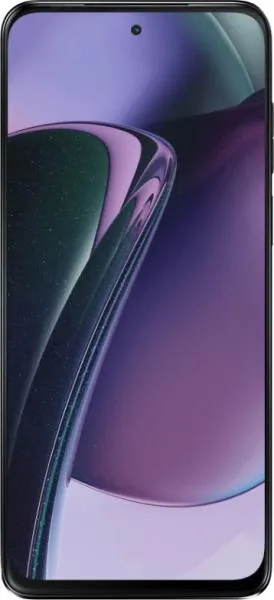
Xiaomi Redmi 12C vs. Motorola Moto G Stylus 5G (2023): A Deep Dive
Let's dissect these two smartphones, the Xiaomi Redmi 12C and the Motorola Moto G Stylus 5G (2023), to understand which device reigns supreme in different usage scenarios.
1. Specifications Breakdown
| Feature | Xiaomi Redmi 12C | Motorola Moto G Stylus 5G (2023) | Real-World Implications |
|---|---|---|---|
| Design | |||
| Dimensions (mm) | 168.8 x 76.4 x 8.8 | 162.8 x 73.8 x 9.2 | Moto G Stylus is slightly more compact. Redmi 12C is thinner. |
| Weight (g) | 192 | 202 | Noticeable difference in hand; Moto G Stylus feels more substantial. |
| Build Materials | Plastic | Plastic | Similar durability and premium feel (or lack thereof) expected. |
| Display | |||
| Size (inches) | 6.71 | 6.6 | Negligible difference in screen real estate. |
| Resolution | 720 x 1650 | 1080 x 2400 | Moto G Stylus offers significantly sharper visuals, text, and images. |
| Refresh Rate (Hz) | - | 120 | Smoother scrolling and animations on the Moto G Stylus, enhancing the user experience. |
| Display Type | IPS LCD | IPS LCD | Similar color accuracy and viewing angles expected. |
| Performance | |||
| Chipset | Helio G85 | Snapdragon 6 Gen 1 | Moto G Stylus boasts a more powerful and efficient processor, leading to smoother multitasking. |
| CPU | Octa-core (2x2.0 GHz Cortex-A75 & 6x1.8 GHz Cortex-A55) | Octa-core (4x2.2 GHz Cortex-A78 & 4x1.8 GHz Cortex-A55) | Moto G Stylus will handle demanding tasks and games better. |
| GPU | Mali-G52 MC2 | Adreno 710 | Superior graphics performance on the Moto G Stylus, beneficial for gaming and media consumption. |
| RAM (GB) | 3/4/6 | 6/8 | More RAM options on the Redmi 12C, Moto G Stylus starts with more RAM, enabling better multitasking. |
| Storage (GB) | 64/128 | 256 | Significantly more storage on the Moto G Stylus for apps, photos, and videos. |
| Camera | |||
| Rear Camera | 50MP + 2MP | 50MP + 8MP | Similar primary sensor resolution, Moto G Stylus offers a better ultrawide/macro lens. |
| Front Camera | 5MP | 16MP | Much better selfie camera resolution on the Moto G Stylus. |
| Video Recording | 1080p@30fps | 4K@30fps | Moto G Stylus capable of recording higher resolution video. |
| Battery Life | |||
| Capacity (mAh) | 5000 | 5000 | Similar battery capacity, but real-world usage will depend on software optimization and usage patterns. |
| Charging | microUSB | USB Type-C | Faster and more convenient charging on the Moto G Stylus with the modern USB-C port. |
| Other | |||
| Stylus | No | Yes | Key differentiator; Moto G Stylus offers note-taking and drawing capabilities. |
| 5G Connectivity | No | Yes | Future-proofing and faster data speeds on the Moto G Stylus. |
| Price Range | Low | Mid-Range | Significant price difference; Redmi 12C is budget-friendly, Moto G Stylus offers more for the money. |
2. Key Insights
The Redmi 12C is a budget champion, offering a large display and long battery life at an incredibly affordable price. However, it compromises on performance, camera quality, and features.
The Moto G Stylus 5G justifies its higher price with a significantly better display, faster processor, improved cameras, 5G connectivity, and the unique stylus functionality. While not a flagship killer, it provides a well-rounded experience.
3. User Profiles and Recommendations
Redmi 12C: Ideal for budget-conscious users who prioritize basic communication, social media, and light web browsing. Students or seniors seeking a simple, affordable device would find it suitable.
Moto G Stylus 5G: Suited for users who demand better performance, a sharper display, and appreciate the versatility of a stylus for note-taking, drawing, or creative tasks. Also a good choice for those seeking 5G connectivity.
4. Buying Decision Framework
- What is your budget? If price is the primary concern, the Redmi 12C is the clear winner.
- Do you need a stylus? If note-taking or drawing is essential, the Moto G Stylus is the only option.
- How important is performance and future-proofing? The Moto G Stylus with its better processor, more RAM, and 5G offers a smoother experience and longevity.
My Choice: Motorola Moto G Stylus 5G (2023)
While the Redmi 12C offers incredible value for its price, I would choose the Moto G Stylus 5G (2023). The superior display, performance, and the integrated stylus for note-taking and creative tasks significantly enhance the user experience. The addition of 5G future-proofs the device. While it's a more expensive option, the overall package justifies the price premium for me, as someone who values a smooth, versatile, and future-ready smartphone experience. The ability to seamlessly jot down notes, sketch ideas, and enjoy multimedia on a vibrant, high-refresh-rate screen outweighs the cost savings of the Redmi 12C for my personal needs.
