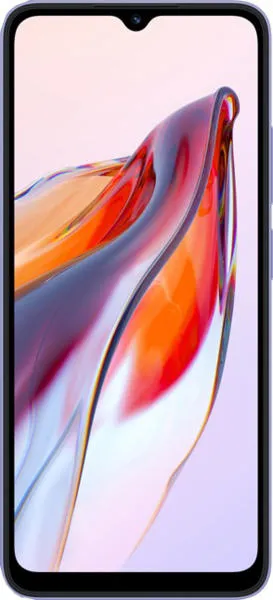
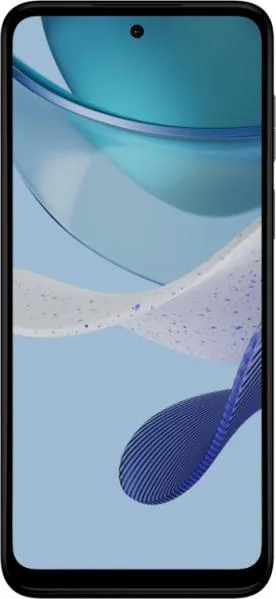
Xiaomi Redmi 12C vs. Motorola Moto G (2023): A Practical Comparison
Let's dive into a head-to-head comparison of the Xiaomi Redmi 12C and the Motorola Moto G (2023), dissecting their specifications and uncovering what they truly offer in real-world usage.
1. Specifications Breakdown
| Feature | Xiaomi Redmi 12C | Motorola Moto G (2023) | Real-World Implications |
|---|---|---|---|
| Design | |||
| Dimensions (mm) | 168.8 x 76.4 x 8.8 | 164 x 75 x 8.4 | Moto G is slightly smaller and thinner, potentially more pocketable. |
| Weight (g) | 192 | 189 | Negligible difference in weight. |
| Build Materials | Plastic | Plastic | Expect similar durability and feel. |
| Display | |||
| Size (inches) | 6.71 | 6.5 | Redmi 12C offers a slightly larger screen for media consumption. |
| Resolution | 720 x 1650 | 720 x 1600 | Both have similar HD+ resolutions; sharpness will be comparable. |
| Refresh Rate | Unspecified | 120Hz | Moto G's 120Hz refresh rate is a major advantage, providing smoother scrolling and animations. |
| Display Type | IPS LCD | IPS LCD | Expect similar color accuracy and viewing angles. |
| Performance | |||
| Chipset | Helio G85 | Snapdragon 480+ 5G | Snapdragon 480+ 5G offers better performance and 5G connectivity, a significant advantage. |
| CPU | Octa-core | Octa-core | Both have comparable CPU configurations, but the Snapdragon chip is built on a more efficient process. |
| GPU | Mali-G52 MC2 | Adreno 619 | Adreno 619 in the Moto G will likely provide a smoother gaming experience. |
| RAM | 3/4/6GB | 4GB | Redmi offers configurations with more RAM, potentially improving multitasking. |
| Camera | |||
| Main Camera | 50MP | 48MP | Both have capable main cameras; real-world image quality will depend on software processing. |
| Selfie Camera | 5MP | 8MP | Moto G has a higher resolution selfie camera. |
| Battery Life | |||
| Capacity | 5000 mAh | 5000 mAh | Similar battery capacities suggest comparable battery life. |
| Charging | microUSB | USB-C | Moto G's USB-C is a modern standard offering faster data transfer and potentially faster charging (though specifications are not detailed here). |
| Other | |||
| OS | Android 12 | Android 13 | Moto G comes with a newer Android version out of the box. |
| NFC | Yes | No | Redmi 12C supports NFC for contactless payments. |
| 5G | No | Yes | Moto G offers 5G connectivity for faster data speeds. |
| Price Range | Low | Medium | Redmi 12C is significantly more affordable. |
2. Key Insights
- Performance: The Moto G (2023), with its Snapdragon 480+ 5G chip, significantly outperforms the Redmi 12C in processing power, graphics rendering, and connectivity, thanks to 5G support.
- Display: While both phones have similar resolutions, the Moto G's 120Hz refresh rate delivers a noticeably smoother and more responsive user experience. This is a game-changer for everyday use.
- Future-Proofing: The Moto G benefits from 5G connectivity and a newer Android version, making it a more future-proof investment.
- Value: The Redmi 12C offers incredible value for its price, particularly for budget-conscious buyers who prioritize a large display and basic functionality.
3. User Profiles and Recommendations
- Redmi 12C: Best suited for users on a tight budget who prioritize affordability over top-tier performance. Ideal for basic tasks like calling, texting, browsing, and social media.
- Moto G (2023): A great choice for users who want a smooth, responsive experience with 5G connectivity and a modern OS. Ideal for users who engage in more demanding tasks like gaming, media consumption, and multitasking.
4. Buying Decision Framework
- What is your budget? If price is the primary concern, the Redmi 12C is the clear winner.
- How important is performance and future-proofing? If you value a smooth user experience, 5G connectivity, and a longer software support lifecycle, the Moto G is the better choice.
- Do you need NFC for contactless payments? If this is a must-have feature, the Redmi 12C is the only option.
My Choice: Motorola Moto G (2023)
While the Redmi 12C offers incredible value, I would choose the Motorola Moto G (2023). The smoother 120Hz display, superior performance of the Snapdragon 480+ 5G, the future-proof nature of 5G connectivity, and the more updated Android OS outweigh the price difference for me. The benefits in daily use – smoother scrolling, faster app loading, and better gaming – would significantly enhance my overall experience. While NFC is a nice feature, I personally rely more on mobile payment methods that don't require it. The slightly smaller size of the Moto G is also preferable for my personal preference. In the long run, I believe the Moto G offers a more satisfying and sustainable mobile experience.
