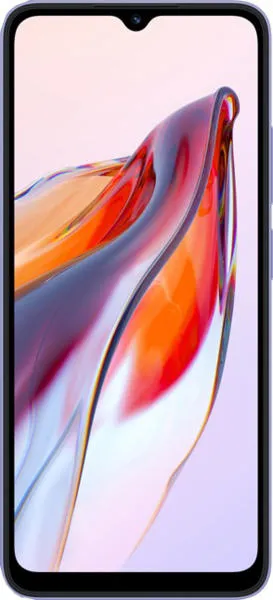
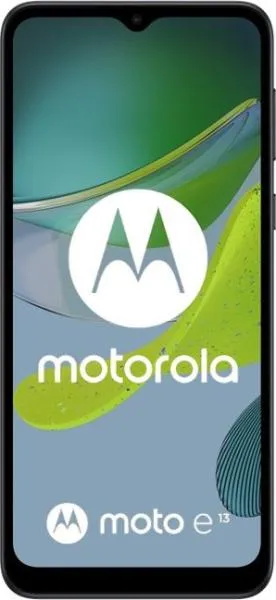
Xiaomi Redmi 12C vs. Motorola Moto E13: A Budget Battle Royale
The budget smartphone arena is fiercely competitive, with manufacturers constantly vying for the attention of value-conscious consumers. Today, we'll dissect two contenders – the Xiaomi Redmi 12C and the Motorola Moto E13 – to determine which device offers the best bang for your buck.
1. Specifications Breakdown
| Feature | Xiaomi Redmi 12C | Motorola Moto E13 | Real-World Implications |
|---|---|---|---|
| Design | |||
| Dimensions (mm) | 168.8 x 76.4 x 8.8 | 164.2 x 75.0 x 8.5 | Redmi 12C is slightly larger and heavier. Moto E13 might feel more compact in hand. |
| Weight (g) | 192 | 179.5 | Noticeable difference in weight; Moto E13 offers a lighter feel for extended use. |
| Display | |||
| Size (inches) | 6.71 | 6.5 | Redmi 12C boasts a larger screen for more immersive media consumption. |
| Resolution (px) | 720 x 1650 | 720 x 1600 | Negligible difference in sharpness; both offer HD+ resolution suitable for everyday use. |
| Type | IPS LCD | IPS LCD | Expect similar color accuracy and viewing angles, typical of IPS LCD technology. |
| Performance | |||
| Chipset | Helio G85 | Unisoc T606 | Helio G85 generally provides better gaming and multitasking performance. |
| CPU | Octa-core | Octa-core | While both are octa-core, the G85's core configuration offers a performance advantage. |
| GPU | Mali-G52 MC2 | Mali-G57 MP1 | Mali-G57 has a slight architectural edge, but real-world gaming performance will likely favor the G85. |
| RAM | 3/4/6GB | 2/4GB | More RAM options on Redmi 12C, allowing for smoother multitasking, especially the 6GB variant. |
| Camera | |||
| Rear Camera | 50MP + 2MP | 13MP | Redmi 12C offers a higher resolution primary sensor, potentially capturing more detail. |
| Front Camera | 5MP | 5MP | Similar front camera resolution for selfies and video calls. |
| Battery Life | |||
| Capacity (mAh) | 5000 | 5000 | Identical battery capacity suggests similar endurance, but real-world usage will vary. |
| Other | |||
| OS | Android 12 | Android 13 | Moto E13 comes with a newer Android version out-of-the-box, offering potential software advantages. |
| NFC | Yes | No | Redmi 12C supports NFC for contactless payments and data transfer. |
| USB | microUSB | USB-C | Moto E13 features the more modern and versatile USB-C port. |
2. Key Insights
The Redmi 12C pulls ahead in raw performance thanks to the Helio G85 chipset and more RAM options. This translates to smoother multitasking, better gaming capabilities, and a more responsive overall experience. Its higher resolution main camera also promises better image quality. The inclusion of NFC is a significant advantage for users who rely on contactless payments.
The Moto E13, however, shines with its newer Android 13 operating system and the modern USB-C port. While its performance might not match the Redmi 12C, it offers a cleaner software experience with potential for longer software support. Its lighter weight and slightly smaller form factor could also appeal to users prioritizing portability.
3. User Profiles and Recommendations
Redmi 12C: Ideal for budget-conscious users who prioritize performance, gaming, a large screen, and NFC functionality. Students, casual gamers, and social media enthusiasts would find this device a compelling option.
Moto E13: Best suited for users who value a clean software experience, a lightweight design, and the convenience of USB-C. Those primarily using their phone for basic tasks like calling, texting, browsing, and light media consumption will appreciate its simplicity.
4. Buying Decision Framework
- Is top-tier performance a priority? If yes, the Redmi 12C's Helio G85 processor offers a noticeable advantage.
- Do you need NFC for contactless payments? The Redmi 12C is the only option with NFC in this comparison.
- Is having the latest Android version important? The Moto E13 ships with Android 13, offering potential software advantages.
My Choice: The Redmi 12C
While the Moto E13's lighter weight and newer Android version are tempting, I'd choose the Redmi 12C. The performance difference due to the Helio G85 chipset, coupled with the inclusion of NFC for mobile payments, are decisive factors for me. In the budget segment, performance often takes a hit, and the Redmi 12C's superior processing power significantly enhances the overall user experience. The availability of higher RAM configurations further solidifies its position as the more future-proof device. The microUSB is a minor inconvenience easily overcome by using a readily available and inexpensive adapter. Ultimately, the Redmi 12C strikes a compelling balance between performance, features, and affordability.
