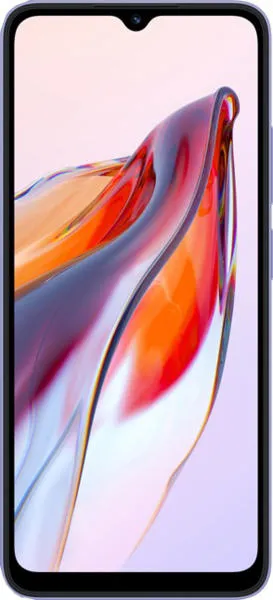
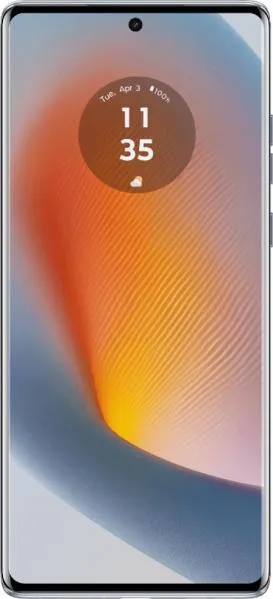
Let's dive into a comparative analysis of the Xiaomi Redmi 12C and the Motorola Edge 50 Fusion, dissecting their specifications and uncovering what they truly offer users in the real world.
1. Specifications Breakdown
| Feature | Xiaomi Redmi 12C | Motorola Edge 50 Fusion | Real-World Implications |
|---|---|---|---|
| Design | |||
| Dimensions (mm) | 168.8 x 76.4 x 8.8 | 161.9 x 73.1 x 7.9 | Edge 50 Fusion is slightly more compact and pocketable. |
| Weight (g) | 192 | 174.9 | Edge 50 Fusion feels noticeably lighter in hand. |
| Build Material | Plastic | Glass front, plastic frame, plastic back | Edge 50 Fusion offers a more premium feel with its glass front. Redmi 12C prioritizes durability with its robust plastic build. |
| Display | |||
| Display Type | IPS LCD | P-OLED | Edge 50 Fusion delivers deeper blacks, more vibrant colors, and better power efficiency. Redmi 12C's LCD is adequate for basic tasks. |
| Size (inches) | 6.71 | 6.7 | Nearly identical screen real estate. |
| Resolution | 720 x 1650 | 1080 x 2400 | Edge 50 Fusion boasts significantly sharper visuals due to higher resolution (Full HD+ vs. HD+). |
| Refresh Rate | Standard | 120Hz/144Hz | Edge 50 Fusion provides a smoother, more responsive user experience, especially in gaming and scrolling. |
| Performance | |||
| Chipset | Helio G85 | Snapdragon 7s Gen 2 | Edge 50 Fusion offers vastly superior processing power, enabling smoother multitasking and demanding gaming. |
| CPU | Octa-core (2.0 GHz) | Octa-core (2.4 GHz) | Edge 50 Fusion's faster clock speeds contribute to its overall performance advantage. |
| RAM | 3/4/6GB | 8/12GB | Edge 50 Fusion provides more memory for seamless multitasking and app switching. |
| Camera | |||
| Main Camera | 50MP | 50MP | Both offer high-resolution main sensors. Real-world image quality will depend on factors beyond megapixel count, such as sensor size and software processing. |
| Selfie Camera | 5MP | 32MP | Edge 50 Fusion boasts a much higher resolution front camera for superior selfies and video calls. |
| Video Recording | 1080p@30fps | 4K@30fps | Edge 50 Fusion allows for higher resolution video recording. |
| Battery Life | |||
| Capacity (mAh) | 5000 | 5000 | Similar battery capacities suggest comparable longevity, though real-world usage will vary based on individual usage patterns and software optimization. |
| Other | |||
| OS | Android 12 | Android 14 | Edge 50 Fusion comes with a more recent Android version, offering potential feature and security advantages. |
| Price Range | Low | Medium | Redmi 12C targets budget-conscious consumers, while Edge 50 Fusion commands a higher price for its enhanced features. |
2. Key Insights
The Redmi 12C is a budget-friendly phone that prioritizes affordability and essential functionality. Its strengths lie in its large display, long-lasting battery, and decent main camera for casual photography.
The Edge 50 Fusion, on the other hand, is a mid-range powerhouse that excels in performance, display quality, and camera versatility. Its superior processor, high refresh rate OLED screen, and enhanced camera features cater to users seeking a more premium mobile experience.
Trade-offs: The Redmi 12C compromises on performance, display resolution, and camera quality to achieve its lower price point. The Edge 50 Fusion, while more expensive, justifies its cost with significant upgrades across the board.
3. User Profiles and Recommendations
Redmi 12C: Ideal for users on a tight budget who primarily use their phones for basic tasks like calling, texting, browsing, and social media. Students, seniors, or anyone seeking a reliable secondary device would find it suitable.
Edge 50 Fusion: Well-suited for users who demand a smooth and responsive experience for demanding tasks like gaming, content creation, and multitasking. Photography enthusiasts will also appreciate its more versatile camera system.
4. Buying Decision Framework
Questions to Consider:
- What is your budget? The Redmi 12C is significantly cheaper.
- What are your primary phone usage patterns? Basic tasks vs. demanding applications.
- How important are display quality and performance? The Edge 50 Fusion offers a substantial upgrade in these areas.
My Choice: Motorola Edge 50 Fusion
While the Redmi 12C is a commendable budget option, I would personally choose the Motorola Edge 50 Fusion. As a tech enthusiast and someone who values a smooth, responsive user experience, the Fusion's superior processor, vibrant OLED display with a high refresh rate, and more versatile camera system are compelling. The price difference is justifiable for the significant leap in performance and overall quality. The longer software support with Android 14 extending to 17 is a big plus as well. While I appreciate the value proposition of the Redmi 12C, the Edge 50 Fusion better aligns with my needs and priorities as a power user who also appreciates high-quality media consumption. The jump from a low-resolution LCD to a high refresh rate OLED alone would be a significant quality-of-life improvement.
