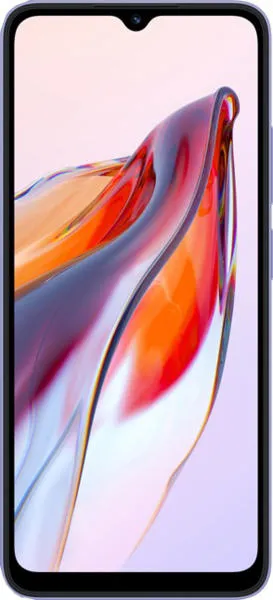
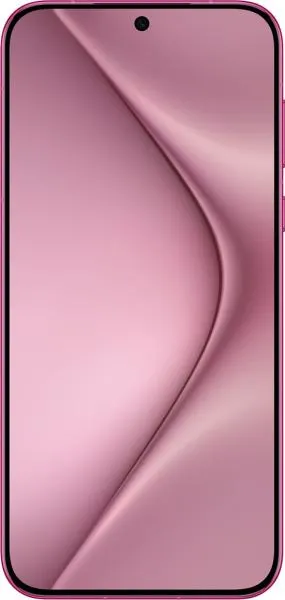
Let's dive into a comparative analysis of the Xiaomi Redmi 12C and the Huawei Pura 70, dissecting their specifications and translating them into real-world implications for you.
1. Specifications Breakdown
| Feature | Xiaomi Redmi 12C | Huawei Pura 70 | Real-World Implications |
|---|---|---|---|
| Design | |||
| Dimensions (mm) | 168.8 x 76.4 x 8.8 | 157.6 x 74.3 x 8.0 | Redmi 12C is larger; Pura 70 is more compact and pocketable. |
| Weight (g) | 192 | 207 | Pura 70 feels slightly heavier in hand. |
| Build Materials | Plastic | Likely Glass/Metal | Pura 70 likely offers a more premium feel and potentially better durability. Lack of clarity on 12C materials warrants caution. |
| Display | |||
| Size (inches) | 6.71 | 6.6 | Negligible difference in screen real estate. |
| Resolution | 720 x 1650 | 1256 x 2760 | Pura 70 boasts significantly sharper visuals, text, and images due to much higher resolution. |
| Display Type | IPS LCD | LTPO OLED | Pura 70's OLED delivers deeper blacks, vibrant colors, and potentially better power efficiency due to LTPO's adaptive refresh rate. |
| Refresh Rate | Standard | 120Hz | Pura 70 offers smoother scrolling and animations thanks to the high refresh rate. |
| Performance | |||
| Chipset | Helio G85 | Kirin 9000S1 | Pura 70's Kirin 9000S1 is a significantly more powerful processor, enabling much faster performance and smoother multitasking. |
| CPU | Octa-core (2x2.0 GHz Cortex-A75 & 6x1.8 GHz Cortex-A55) | Octa-core | Specific core configuration missing for Pura 70, but its newer architecture and higher clock speeds likely deliver a substantial performance advantage. |
| RAM | 3/4/6GB | 12GB | Pura 70's 12GB RAM ensures effortless multitasking and smooth handling of demanding applications. |
| Camera | |||
| Rear Camera | 50MP Main + 2MP Macro | 50MP Main + 13MP Wide + 12MP Telephoto | Pura 70 offers greater versatility with its triple camera setup, including a wide-angle and telephoto lens. |
| Front Camera | 5MP | 13MP | Pura 70's higher resolution selfie camera will likely produce more detailed self-portraits. |
| Battery Life | |||
| Capacity (mAh) | 5000 | 4900 | Negligible difference in battery capacity; real-world battery life will depend on usage patterns and software optimization. |
2. Key Insights
The Xiaomi Redmi 12C is a budget-friendly device prioritizing affordability. Its large display is suitable for media consumption, but the lower resolution and standard refresh rate are noticeable compromises. Performance is adequate for basic tasks but may struggle with demanding applications or heavy multitasking.
The Huawei Pura 70, on the other hand, is a flagship contender. Its powerful processor, ample RAM, high refresh rate OLED display, and versatile camera system position it as a premium device capable of handling any task thrown its way. The superior display alone makes a huge difference in daily use.
3. User Profiles and Recommendations
Redmi 12C: Best suited for budget-conscious users who prioritize basic communication, social media, and light media consumption. Students, casual users, or those seeking a secondary device would find it suitable.
Pura 70: Ideal for power users, gamers, photography enthusiasts, and anyone who demands top-tier performance and a premium experience. Professionals, content creators, or those who value a future-proof device would appreciate its capabilities.
4. Buying Decision Framework
- What is your budget? The Redmi 12C caters to the budget-conscious, while the Pura 70 commands a premium price.
- What are your primary use cases? Basic tasks vs. demanding applications, gaming, photography.
- How important is display quality and performance? The Pura 70 excels in both areas.
Scenario-Based Recommendations:
- Limited budget, basic needs: Redmi 12C
- Demanding user, values performance and premium features: Pura 70
- Balanced needs, moderate budget: Consider other options that fall between these two extremes.
My Choice: Huawei Pura 70
While the Redmi 12C offers excellent value for its price, I would choose the Huawei Pura 70. The significantly improved display, vastly superior performance offered by the Kirin 9000S1 and 12GB of RAM, versatile camera system, and future-proof hardware justify the higher price. As someone who values a smooth, responsive user experience and utilizes demanding applications, the Pura 70 aligns better with my needs. The crisp, vibrant OLED display with a 120Hz refresh rate alone elevates daily interaction significantly. While I acknowledge the price difference is substantial, the long-term usability and enjoyment derived from the Pura 70's superior technology would make it a worthwhile investment for me.
