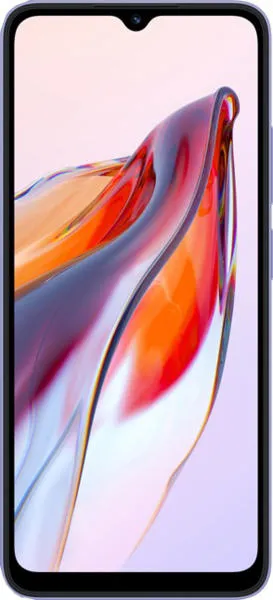
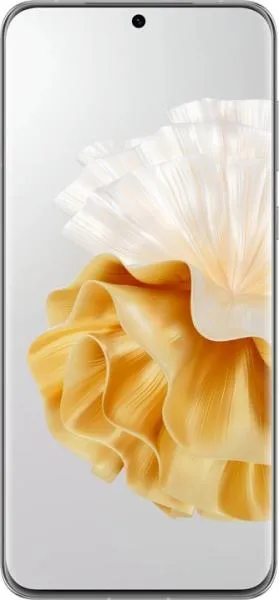
Xiaomi Redmi 12C vs. Huawei P60 Pro: A Deep Dive
Let's dissect the Xiaomi Redmi 12C and the Huawei P60 Pro, two phones occupying very different ends of the smartphone spectrum. This comparison aims to illuminate not just their technical differences, but how those differences translate into real-world experiences for you, the user.
1. Specifications Breakdown
| Feature | Xiaomi Redmi 12C | Huawei P60 Pro | Real-World Implications |
|---|---|---|---|
| Design | |||
| Dimensions (mm) | 168.8 x 76.4 x 8.8 | 161 x 74.5 x 8.3 | P60 Pro is slightly more compact and thinner. |
| Weight (g) | 192 | 200 | Negligible weight difference in hand. |
| Build Materials | Plastic | Glass & Metal | P60 Pro offers a more premium feel and potentially better durability. |
| Display | |||
| Size | 6.71" | 6.67" | Redmi 12C slightly larger, but practically indistinguishable. |
| Resolution | 720 x 1650 | 1220 x 2700 | P60 Pro boasts significantly sharper visuals, text, and images. |
| Display Type | IPS LCD | LTPO OLED | P60 Pro delivers deeper blacks, vibrant colors, and superior power efficiency due to LTPO technology. |
| Refresh Rate | N/A | 120Hz | P60 Pro provides smoother scrolling and animations. |
| Performance | |||
| Chipset | Helio G85 | Snapdragon 8+ Gen 1 | P60 Pro offers vastly superior processing power for demanding tasks and gaming. |
| CPU | Octa-core (2.0 GHz) | Octa-core (3.2 GHz) | P60 Pro delivers significantly faster performance and responsiveness. |
| RAM | 3/4/6GB | 8/12GB | P60 Pro offers more memory for multitasking and demanding applications. |
| Camera | |||
| Main Camera | 50MP | 48MP (Variable Aperture) | P60 Pro likely to produce better image quality due to superior sensor and variable aperture. |
| Other Cameras | Macro, Selfie | Wide, Telephoto, Selfie | P60 Pro provides greater versatility with wide-angle and telephoto lenses. |
| Battery Life | |||
| Capacity | 5000mAh | 4815mAh | Redmi 12C has a slightly larger battery, but P60 Pro's efficiency may offset this. |
2. Key Insights
The Redmi 12C is a budget-friendly phone focused on essential functionality. Its strengths lie in its large display for media consumption and a large battery for extended use. However, its lower resolution display, less powerful processor, and basic camera system reflect its price point.
The Huawei P60 Pro, on the other hand, is a flagship device showcasing cutting-edge technology. Its brilliant OLED display, blazing-fast processor, versatile camera system with variable aperture, and premium build quality place it in a different league. The trade-off is a significantly higher price.
3. User Profiles and Recommendations
Redmi 12C: Ideal for budget-conscious users who prioritize basic communication, social media, and light media consumption. Students, casual users, and those seeking a reliable secondary device would find it suitable.
P60 Pro: Perfect for power users, photographers, and mobile gamers who demand top-tier performance, a stunning display, and a versatile camera system. Professionals, content creators, and tech enthusiasts would appreciate its capabilities.
4. Buying Decision Framework
- What is your budget? The Redmi 12C is a fraction of the P60 Pro's price.
- What are your primary smartphone needs? Basic communication vs. demanding tasks and high-quality photography/videography.
- How important is future-proofing? The P60 Pro's superior hardware will offer better performance and longevity.
Scenario-Based Recommendations:
- Limited Budget, Basic Needs: Redmi 12C
- Demanding User, High Budget: P60 Pro
- Balance of Performance and Value: Consider mid-range alternatives not included in this comparison.
My Choice: Huawei P60 Pro
While the Redmi 12C is a commendable device for its price, I would choose the Huawei P60 Pro. As a tech journalist, I value cutting-edge technology and the ability to test the limits of mobile devices. The P60 Pro's superior performance, stunning display, and versatile camera system are crucial for my work. The variable aperture on the main camera particularly intrigues me from an engineering perspective. While the price is premium, the P60 Pro offers a comprehensive package that justifies the investment for my specific needs. I appreciate the smooth user experience, the ability to multitask effortlessly, and the potential for capturing high-quality photos and videos. The longevity offered by the powerful hardware ensures that the device remains relevant for a longer period, making it a worthwhile investment in the long run.
