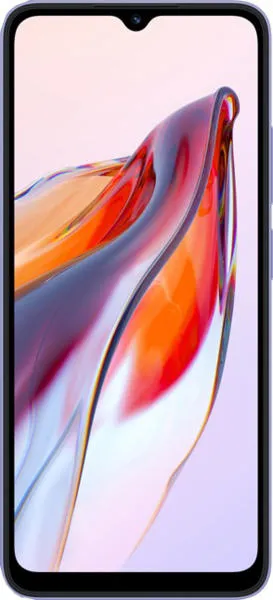
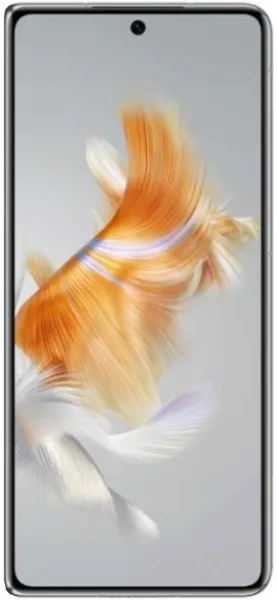
Let's dive into a comparative analysis of the Xiaomi Redmi 12C and the Huawei Mate X3, two phones occupying very different spaces in the mobile landscape.
1. Specifications Breakdown
| Feature | Xiaomi Redmi 12C | Huawei Mate X3 | Real-World Implications |
|---|---|---|---|
| Design | |||
| Dimensions (mm) | 168.8 x 76.4 x 8.8 | 156.9 x 141.5 x 5.3 (Folded) | Redmi 12C: Large, traditional candybar phone. Mate X3: Compact when folded, expands to tablet size. Impacts portability and one-handed use. |
| Weight (g) | 192 | 239 | Redmi 12C: Lighter, easier to hold for extended periods. Mate X3: Heavier due to folding mechanism and larger display, but still relatively light for its size. |
| Foldable | No | Yes | Mate X3's folding screen offers a unique, versatile experience, transforming from phone to tablet. Redmi 12C provides a standard smartphone form factor. |
| Display | |||
| Type | IPS LCD | Foldable OLED | Redmi 12C: Decent color reproduction, but lower contrast and viewing angles than OLED. Mate X3: Vibrant colors, deep blacks, excellent viewing angles. |
| Size (inches) | 6.71 | 7.85 (Unfolded) | Redmi 12C: Large screen for media consumption. Mate X3: Massive screen real estate for productivity and multitasking when unfolded. |
| Resolution (px) | 720 x 1650 | 2224 x 2496 (Unfolded) | Redmi 12C: Lower resolution, noticeable pixelation possible. Mate X3: Sharp, crisp visuals with high pixel density. |
| Refresh Rate (Hz) | - | 120 | Mate X3: Smoother animations and scrolling thanks to the higher refresh rate. Redmi 12C's refresh rate is standard (likely 60Hz) |
| Performance | |||
| Chipset | Helio G85 | Snapdragon 8+ Gen 1 | Redmi 12C: Entry-level performance, suitable for basic tasks. Mate X3: Flagship-level performance, handles demanding apps and games with ease. |
| CPU | Octa-core | Octa-core | Mate X3's CPU significantly more powerful, offering superior speed and responsiveness. |
| RAM (GB) | 3/4/6 | 12 | Mate X3: Ample RAM for seamless multitasking and demanding applications. Redmi 12C: RAM varies by model, base model might experience limitations with heavy usage. |
| Camera | |||
| Main Camera (MP) | 50 | 50 | Both have high-resolution main sensors, but image quality likely differs due to sensor size, processing, and lens quality. Detailed comparison needed. |
| Battery Life | |||
| Capacity (mAh) | 5000 | 4800 | Redmi 12C: Larger battery capacity suggests longer battery life. Mate X3: Power-hungry display and processor might drain battery faster. Real-world usage varies. |
| Price | Low | High | Redmi 12C: Budget-friendly option. Mate X3: Premium flagship device with a significantly higher price tag. |
2. Key Insights
The Redmi 12C is a budget-friendly smartphone designed for basic tasks and casual users. Its strengths lie in its large display for media consumption, long battery life, and affordability. However, its performance limitations and lower-resolution screen are trade-offs for the price.
The Huawei Mate X3 is a premium foldable flagship offering top-tier performance, a stunning OLED display, and innovative design. Its folding screen provides unmatched versatility, transforming between phone and tablet modes. The high price reflects its cutting-edge technology and premium materials.
3. User Profiles and Recommendations
Redmi 12C: Ideal for budget-conscious users, students, or those seeking a simple, reliable device for calling, texting, browsing, and light media consumption.
Mate X3: Perfect for power users, tech enthusiasts, and professionals who value top-tier performance, a unique form factor, and a large, high-quality display for multitasking and productivity. Excellent for those who consume a lot of media on the go and want a device that can adapt to different usage scenarios.
4. Buying Decision Framework
- What is your budget? If price is a major concern, the Redmi 12C offers excellent value. If budget is less of an issue and you desire the best technology, the Mate X3 is a strong contender.
- What is your primary use case? Basic communication and light usage? The Redmi 12C suffices. Demanding applications, multitasking, and media creation? The Mate X3 excels.
- How important is portability and screen size? The Redmi 12C is a large but traditional phone. The Mate X3 offers a compact folded size with the option of a large tablet-like screen.
My Choice:
While I appreciate the incredible innovation of the Huawei Mate X3, I would choose the Redmi 12C for myself. My personal needs prioritize functionality over flagship specifications. I don't require the absolute highest performance or a foldable screen. The Redmi 12C offers a large display, long battery life, and essential features at a price point that aligns with my practical approach to technology. The substantial cost savings of the Redmi 12C would allow me to invest in other areas that are more valuable to me personally. Furthermore, the lack of readily available Google services on newer Huawei devices would be a significant drawback for my workflow. The Redmi 12C offers a balanced package that meets my everyday needs without unnecessary extravagance.
