Xiaomi Redmi 12C vs. Honor X8b: A Deep Dive for the Discerning Buyer
Hello, fellow tech explorers! Alex Griffin here, ready to dissect the Xiaomi Redmi 12C and the Honor X8b. We'll go beyond the spec sheets to uncover what these phones truly offer in the real world. Let's dive in!
1. Specifications Breakdown
| Feature | Xiaomi Redmi 12C | Honor X8b | Real-World Implications |
|---|---|---|---|
| Design | |||
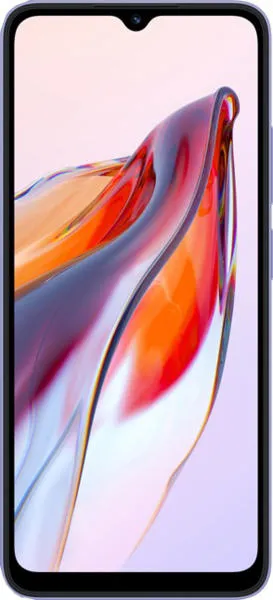
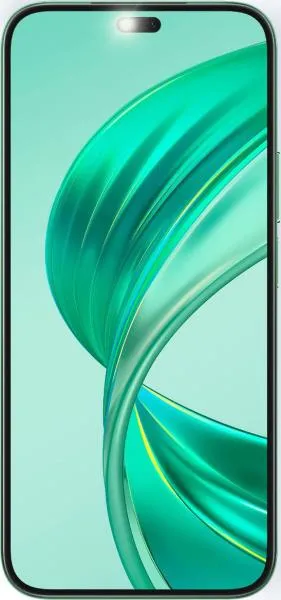
| Dimensions (mm) | 168.8 x 76.4 x 8.8 | 161.1 x 74.6 x 6.8 | X8b is noticeably more compact and lighter, enhancing one-handed usability. |
| Weight (g) | 192 | 166 | Redmi 12C feels more substantial, but could be tiring for extended use. |
| Build Materials | Plastic | Plastic | Expect similar durability; case usage recommended for both. |
| Display | |||
| Type | IPS LCD | AMOLED | X8b offers deeper blacks, vibrant colors, and superior contrast for media consumption. |
| Size | 6.71" | 6.7" | Negligible size difference; both provide ample screen real estate. |
| Resolution | 720 x 1650 | 1080 x 2412 | X8b boasts significantly sharper visuals due to higher pixel density. |
| Refresh Rate | - | 90Hz | X8b's smoother scrolling and animations enhance the overall user experience. |
| Performance | |||
| Chipset | Helio G85 | Snapdragon 680 | Both offer decent performance for everyday tasks, but the Snapdragon 680 generally provides smoother multitasking and slightly better gaming capabilities. |
| CPU | Octa-core (2x2.0 GHz A75 & 6x1.8 GHz A55) | Octa-core (4x2.4 GHz Kryo 265 Gold & 4x1.9 GHz Kryo 265 Silver) | While core configurations differ, real-world performance gaps are likely minimal for typical usage. |
| RAM | 3/4/6GB | 6/8GB | Higher RAM options on the X8b allow for better multitasking and app switching. |
| Storage | 32/64/128GB | 128/256/512GB | X8b provides significantly more storage for apps, photos, and videos. |
| Camera | |||
| Main | 50MP | 108MP | X8b's higher megapixel count potentially offers more detail in photos, but real-world image quality depends on sensor and processing. |
| Front | 5MP | 50MP | X8b's higher resolution front camera should deliver noticeably better selfies. |
| Battery Life | |||
| Capacity | 5000mAh | 4500mAh | Redmi 12C's larger battery likely results in longer usage time, although AMOLED efficiency on the X8b could mitigate this difference. |
| Charging | microUSB | USB-C | X8b offers the more modern and versatile USB-C port for faster charging and data transfer. |
| Other | |||
| NFC | Yes | No | Redmi 12C enables contactless payments and data transfer via NFC. |
| OS | Android 12 | Android 13 | X8b ships with a newer Android version, offering potential feature and security advantages. |
| Price Range | Low | Medium | Redmi 12C prioritizes affordability, while X8b commands a higher price for its enhanced features. |
2. Key Insights
The Redmi 12C is a budget champion, prioritizing battery life and affordability. Its large display and decent performance make it suitable for basic tasks and media consumption. However, the lower resolution display and microUSB port feel dated.
The Honor X8b, while pricier, offers a significant upgrade in display quality, performance, and overall user experience. The AMOLED screen, higher resolution, faster refresh rate, and more modern design make it a more compelling device for those seeking a well-rounded experience. The lack of NFC might be a dealbreaker for some, though.
3. User Profiles and Recommendations
Redmi 12C: Ideal for budget-conscious users who prioritize long battery life and basic functionality. Students, casual users, and those seeking a secondary device would find it suitable.
Honor X8b: Best suited for users who value a premium display, smooth performance, and a modern design. Mobile gamers, media enthusiasts, and those seeking a stylish device would appreciate its capabilities.
4. Buying Decision Framework
Questions to Ask Yourself:
- What's your budget? The Redmi 12C is significantly cheaper.
- Is display quality a priority? The X8b's AMOLED screen is a clear winner.
- Do you need NFC for contactless payments? The Redmi 12C is the only one with NFC.
Scenario-Based Recommendations:
- Tight budget, basic needs: Redmi 12C
- Balanced performance and style: Honor X8b
- Media consumption and gaming: Honor X8b
My Choice: The Honor X8b
While the Redmi 12C offers incredible value for its price, I would choose the Honor X8b. The superior AMOLED display, coupled with the 90Hz refresh rate and sharper resolution, creates a significantly more enjoyable user experience. The faster processor and increased RAM also contribute to smoother multitasking, which I value greatly. While the lack of NFC is a minor drawback, the overall package offered by the X8b aligns better with my preferences for a fluid and visually engaging smartphone experience. The price difference is justifiable for the noticeable jump in quality and performance.
