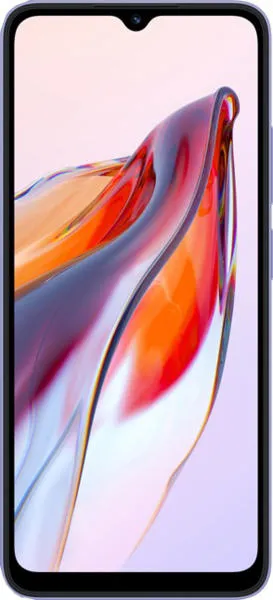
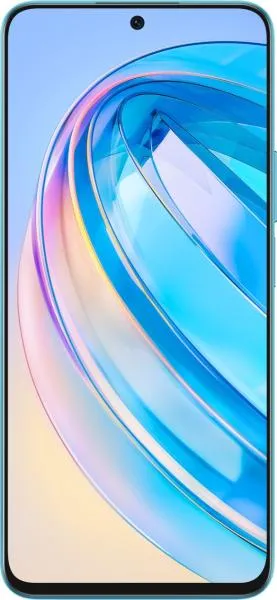
Let's dive into a comparative analysis of the Xiaomi Redmi 12C and the Honor X8a, translating the raw specs into practical insights for everyday users.
1. Specifications Breakdown
| Feature | Xiaomi Redmi 12C | Honor X8a | Real-World Implications | |||||
|---|---|---|---|---|---|---|---|---|
| Design | ||||||||
| Dimensions (mm) | 168.8 x 76.4 x 8.8 | 162.9 x 74.5 x 7.5 | X8a is slightly more compact and lighter | |||||
| Weight (g) | 192 | 179 | X8a is noticeably lighter in hand | |||||
| Build Material | Plastic | Plastic | Durability and premium feel may be similar | USB Type | microUSB 2.0 | USB Type-C 2.0 | X8a offers faster charging and data transfer, plus reversible connector convenience | |
| Display | ||||||||
| Size (inches) | 6.71 | 6.7 | Negligible size difference | |||||
| Resolution | 720 x 1650 | 1080 x 2388 | X8a boasts significantly sharper visuals (HD+ vs. FHD+) | |||||
| Refresh Rate (Hz) | 60 (Standard) | 90 | X8a provides smoother scrolling and animations | |||||
| Display Type | IPS LCD | IPS LCD | Similar color accuracy and viewing angles expected | |||||
| Performance | ||||||||
| Chipset | Helio G85 | Helio G88 | Marginal performance difference; G88 slightly faster | |||||
| CPU | Octa-core (2x2.0 GHz A75 & 6x1.8 GHz A55) | Octa-core (2x2.0 GHz A75 & 6x1.8 GHz A55) | Similar CPU architecture, but clock speeds could vary slightly impacting performance | |||||
| GPU | Mali-G52 MC2 | Mali-G52 MC2 | Similar graphics performance | |||||
| RAM | 3/4/6GB | 6/8GB | X8a offers more RAM for multitasking | |||||
| Camera | ||||||||
| Main Camera (MP) | 50 | 100 | X8a has a higher resolution main sensor, potentially capturing more detail | |||||
| Front Camera (MP) | 5 | 16 | X8a offers significantly better selfie resolution | |||||
| Battery Life | ||||||||
| Capacity (mAh) | 5000 | 4500 | Redmi 12C has a larger battery, potentially lasting longer |
2. Key Insights
Display: The Honor X8a's FHD+ display with a 90Hz refresh rate is a clear winner, offering a significantly superior visual experience compared to the Redmi 12C's HD+ 60Hz screen. This translates to sharper text, smoother animations, and a more enjoyable media consumption experience.
Performance: While both phones use similar chipsets, the Honor X8a generally comes with more RAM, providing a smoother multitasking experience and better handling of demanding apps. The real-world performance difference might be subtle for basic tasks but noticeable when running multiple apps or playing games.
Camera: On paper, the Honor X8a's 100MP main camera and 16MP selfie camera outshine the Redmi 12C. However, megapixels alone don't guarantee image quality. Real-world camera performance will depend on factors like sensor size, image processing, and software optimization.
Battery Life: The Redmi 12C packs a larger 5000mAh battery compared to the X8a's 4500mAh. This suggests longer battery life for the Redmi 12C, but actual usage will depend on individual usage patterns and screen brightness settings.
Value: The Redmi 12C positions itself as a budget-friendly option, while the Honor X8a leans towards the mid-range. The price difference will be a crucial factor for many buyers.
3. User Profiles and Recommendations
Redmi 12C: Ideal for budget-conscious users who prioritize basic functionality, long battery life, and affordability over top-tier performance or camera quality. Good for casual web browsing, social media, and light gaming.
Honor X8a: Suitable for users who value a better display, smoother performance, and improved camera capabilities. A good choice for media consumption, mobile gaming, and those who demand a more responsive user experience.
4. Buying Decision Framework
- What's your budget? If price is a primary concern, the Redmi 12C is the more affordable option.
- How important is display quality? If you prioritize a sharp, smooth display for media consumption and gaming, the Honor X8a's FHD+ 90Hz screen is a must-have.
- What are your performance needs? For demanding tasks and multitasking, the Honor X8a's extra RAM provides a noticeable advantage.
My Choice
If I were choosing between these two, I'd go with the Honor X8a. While the Redmi 12C offers excellent value for its price, I personally prioritize a high-quality display and smooth performance. The X8a's FHD+ 90Hz screen and increased RAM make a significant difference in everyday usability, providing a more enjoyable and responsive experience. I'm willing to pay the price premium for these enhancements, even considering the slightly smaller battery. The improved camera specs are a bonus, though real-world image quality would need further testing. The modern USB-C port is also a significant advantage for faster charging and data transfer.
