Xiaomi Redmi 12C vs. Google Pixel Fold: A Deep Dive
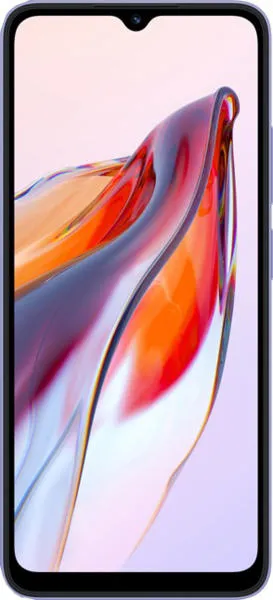
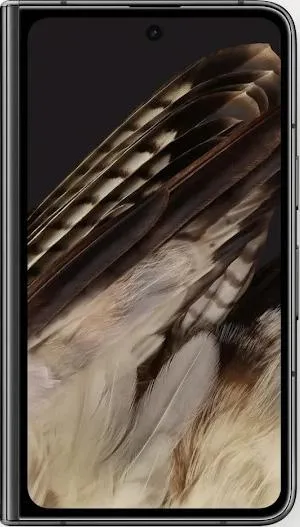
Let's dissect the Xiaomi Redmi 12C and the Google Pixel Fold, two phones occupying completely different corners of the mobile landscape. This isn't just a spec comparison; it's about understanding how these devices fit into your life.
1. Specifications Breakdown
| Feature | Xiaomi Redmi 12C | Google Pixel Fold | Real-World Implications |
|---|---|---|---|
| Design | |||
| Dimensions (mm) | 168.8 x 76.4 x 8.8 | 139.7 x 158.7 x 5.8 | Redmi 12C: Larger, traditional candybar design. Pixel Fold: Compact when folded, expands to tablet size, pocketability trade-off. |
| Weight (g) | 192 | 283 | Redmi 12C: Noticeably lighter, comfortable for one-handed use. Pixel Fold: Heavier due to folding mechanism and larger display. |
| Foldable | No | Yes | Pixel Fold offers unique form factor and expanded screen real estate for multitasking and media consumption. |
| Display | |||
| Type | IPS LCD | Foldable OLED | Pixel Fold: Superior contrast, deeper blacks, brighter highlights, smoother 120Hz refresh rate. |
| Size (inches) | 6.71 | 7.6 (unfolded) 5.8(folded) | Pixel Fold: Significantly larger unfolded display for immersive experiences, smaller external display for quick interactions |
| Resolution (px) | 720 x 1650 | 2208 x 1840 (unfolded) 1080 x 2092 (folded) | Pixel Fold: Much sharper, more detailed visuals. |
| PPI Density | 268 | 378 | Pixel Fold: Crisper text and images. |
| Performance | |||
| Chipset | Helio G85 | Google Tensor G2 | Pixel Fold: Significantly faster processing power for demanding tasks and smoother multitasking. |
| CPU | Octa-core | Octa-core | Pixel Fold: More powerful CPU cores for better performance. |
| RAM (GB) | 3/4/6 | 12 | Pixel Fold: Massive RAM capacity for seamless multitasking and app switching. |
| Camera | |||
| Main Camera (MP) | 50 | 48 | Comparable primary camera resolution, but Pixel Fold leverages superior software processing for potentially better image quality. |
| Features | Basic | Advanced | Pixel Fold: Optical zoom, wider range of video recording capabilities, more sophisticated image processing. |
| Battery Life | |||
| Capacity (mAh) | 5000 | 4821 | Comparable battery capacities, but real-world usage will vary depending on usage patterns and the Pixel Fold's larger display. |
2. Key Insights
The Redmi 12C is a budget-friendly device prioritizing affordability. Its large display is suitable for media consumption, but the lower resolution and IPS LCD technology result in a less vibrant experience compared to the Pixel Fold. Performance is adequate for everyday tasks but struggles with demanding applications.
The Pixel Fold, on the other hand, is a premium, flagship foldable phone. Its powerful Tensor G2 chip, ample RAM, and stunning OLED display deliver a top-tier experience. The folding mechanism allows for seamless transitions between phone and tablet modes, unlocking new possibilities for productivity and entertainment.
3. User Profiles and Recommendations
Redmi 12C: Ideal for budget-conscious users who prioritize basic communication, social media, and light web browsing. Students, casual users, and those seeking a secondary device would find it suitable.
Pixel Fold: Designed for power users, multitaskers, and tech enthusiasts who demand the best in performance, display quality, and cutting-edge features. Professionals, content creators, and those who value a unique and innovative mobile experience would appreciate the Pixel Fold.
4. Buying Decision Framework
- What is your budget? The Redmi 12C is significantly more affordable than the Pixel Fold.
- What are your primary use cases? Basic tasks vs. demanding applications and multitasking.
- Do you value cutting-edge technology and a unique form factor? The Pixel Fold offers a foldable design and premium features.
My Choice: Google Pixel Fold
While the Redmi 12C offers excellent value for its price, I would choose the Google Pixel Fold. The foldable form factor genuinely intrigues me, offering a glimpse into the future of mobile computing. The superior display, powerful performance, and advanced camera capabilities are compelling. Though the price is a significant investment, the Pixel Fold represents a transformative mobile experience that aligns with my enthusiasm for innovation and cutting-edge technology. The ability to seamlessly switch between phone and tablet modes, coupled with the top-tier hardware, would significantly enhance my productivity and entertainment experiences. It's a device that pushes boundaries and opens up new possibilities.
