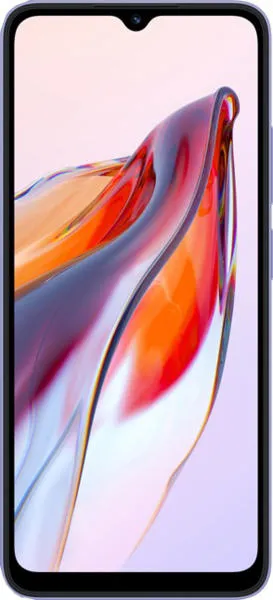
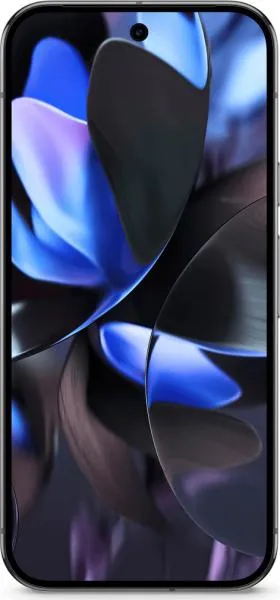
Xiaomi Redmi 12C vs. Google Pixel 9 Pro XL: A Deep Dive
Let's dissect the Xiaomi Redmi 12C and the Google Pixel 9 Pro XL, two phones occupying vastly different corners of the smartphone arena. This isn't just about specs; it's about understanding how those numbers translate to your daily experience.
1. Specifications Breakdown
| Feature | Xiaomi Redmi 12C | Google Pixel 9 Pro XL | Real-World Implications |
|---|---|---|---|
| Design | |||
| Dimensions (mm) | 168.8 x 76.4 x 8.8 | 162.8 x 76.6 x 8.5 | Pixel 9 Pro XL is slightly more compact and pocketable. |
| Weight (g) | 192 | 221 | Redmi 12C is noticeably lighter. |
| Build Material | Plastic | Glass/Metal | Pixel boasts a more premium feel and likely better durability. |
| Display | |||
| Display Type | IPS LCD | LTPO OLED | Pixel offers deeper blacks, vibrant colors, and superior power efficiency. |
| Display Size (inches) | 6.71 | 6.8 | Negligible difference in screen real estate. |
| Resolution (px) | 720 x 1650 | 1344 x 2992 | Pixel's significantly sharper display reveals finer details. |
| Refresh Rate (Hz) | Unspecified (likely 60) | 120 | Pixel's smoother scrolling and animations enhance the user experience. |
| Peak Brightness (nits) | Unspecified | 3000 | Pixel's display excels in direct sunlight. |
| Performance | |||
| Chipset | Mediatek Helio G85 | Google Tensor G4 | Pixel's custom chip offers significantly faster processing and AI capabilities. |
| CPU | Octa-core | Octa-core | Pixel's more advanced core architecture delivers superior performance. |
| RAM (GB) | 3/4/6 | 16 | Pixel's massive RAM enables seamless multitasking and demanding applications. |
| Storage (GB) | 64/128 | 256/512/1000 | Pixel offers significantly more storage for apps, photos, and videos. |
| Camera | |||
| Rear Camera | 50MP Main, 2MP Macro | 50MP Main, 48MP Wide, 48MP Telephoto | Pixel's versatile camera system captures stunning photos and videos. |
| Front Camera | 5MP | 42MP | Pixel's high-resolution selfie camera produces detailed self-portraits. |
| Video Recording | 1080p@30fps | Up to 8K@30fps | Pixel offers superior video recording capabilities and resolution. |
| Battery Life | |||
| Battery Capacity (mAh) | 5000 | 5060 | Negligible difference in battery capacity. |
| Charging | microUSB | USB Type-C 3.2 | Pixel supports faster charging and data transfer speeds. |
| Price | Low | High | Redmi 12C is significantly more affordable. |
2. Key Insights
The Redmi 12C is a budget-friendly device prioritizing basic functionality. Its strengths lie in its affordability, large display, and all-day battery life. However, it compromises on processing power, camera quality, and overall performance.
The Pixel 9 Pro XL, on the other hand, is a flagship powerhouse. It excels in every aspect, from its stunning display and blazing-fast performance to its exceptional camera system and advanced software features. The Tensor G4 chip, coupled with 16GB of RAM, ensures a fluid and responsive experience even with the most demanding tasks.
3. User Profiles and Recommendations
Redmi 12C: Ideal for budget-conscious users who prioritize basic communication, web browsing, and light media consumption. Students, seniors, or anyone seeking a simple, affordable secondary device would find it suitable.
Pixel 9 Pro XL: Perfect for power users, photographers, videographers, and anyone who demands top-tier performance, a premium experience, and cutting-edge features. Gamers, content creators, and multitaskers will appreciate its capabilities.
4. Buying Decision Framework
What is your budget? The Redmi 12C offers excellent value for its price, while the Pixel 9 Pro XL commands a premium.
What are your primary use cases? For basic tasks, the Redmi 12C suffices. For demanding applications, gaming, or content creation, the Pixel 9 Pro XL is essential.
How important are camera quality and overall performance? The Pixel 9 Pro XL significantly outperforms the Redmi 12C in these areas.
My Choice: Google Pixel 9 Pro XL
While the Redmi 12C serves its purpose admirably as an entry-level device, I would choose the Pixel 9 Pro XL. As a tech enthusiast and someone who relies on a smartphone for both work and leisure, I value the seamless performance, exceptional camera, vibrant display, and the promise of long-term software updates that the Pixel offers. The superior user experience justifies the higher price tag for my needs. The Pixel's emphasis on AI-powered features, computational photography, and a clean Android experience aligns perfectly with my preference for innovative and intuitive technology. The Redmi 12C is a great budget option, but the Pixel 9 Pro XL is a true flagship experience.
