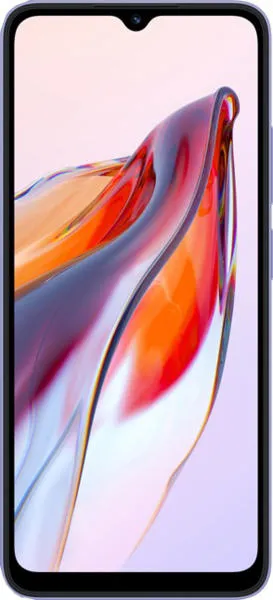

Xiaomi Redmi 12C vs. Google Pixel 9 Pro: A Deep Dive
Let's dissect the Xiaomi Redmi 12C and the Google Pixel 9 Pro, two phones occupying distinctly different corners of the smartphone arena. This isn't just about specs; it's about understanding how those numbers translate into real-world experiences.
1. Specifications Breakdown
| Feature | Xiaomi Redmi 12C | Google Pixel 9 Pro | Real-World Implications |
|---|---|---|---|
| Design | |||
| Dimensions (mm) | 168.8 x 76.4 x 8.8 | 152.8 x 72 x 8.5 | Pixel 9 Pro is noticeably more compact, potentially easier for one-handed use. |
| Weight (g) | 192 | 199 | Negligible weight difference; both feel substantial in hand. |
| Build Materials | Plastic | Glass & Metal | Pixel 9 Pro offers a more premium feel and potentially better durability. |
| Display | |||
| Size (inches) | 6.71 | 6.3 | Redmi 12C provides a larger screen for media consumption, but Pixel 9 Pro is sharper and smoother. |
| Resolution | 720 x 1650 | 1280 x 2856 | Pixel 9 Pro boasts significantly higher resolution for crisper text and images. |
| Display Type | IPS LCD | LTPO OLED | Pixel 9 Pro's OLED delivers deeper blacks, vibrant colors, and potentially better battery efficiency. |
| Refresh Rate | - | 120Hz | Pixel 9 Pro's high refresh rate ensures smoother scrolling and animations. |
| Performance | |||
| Chipset | Helio G85 | Google Tensor G4 | Pixel 9 Pro offers vastly superior processing power for demanding tasks and gaming. |
| CPU | Octa-core | Octa-core | Pixel 9 Pro's more advanced CPU architecture delivers significant performance gains. |
| RAM | 3/4/6GB | 16GB | Pixel 9 Pro's larger RAM enables seamless multitasking and app switching. |
| Camera | |||
| Main Camera | 50MP | 50MP | Comparable megapixel count, but Pixel 9 Pro likely utilizes superior sensor and image processing. |
| Video Recording | 1080p@30fps | Up to 8K@30fps | Pixel 9 Pro offers significantly higher video resolution and frame rate options. |
| Battery Life | |||
| Capacity | 5000mAh | 4700mAh | Redmi 12C has a slightly larger battery, but Pixel 9 Pro's efficient OLED and software could balance this. |
2. Key Insights
The Redmi 12C is a budget-oriented device prioritizing a large display and long battery life. Its Helio G85 processor is sufficient for basic tasks, but don't expect flagship-level performance. The camera is decent for casual photography but lacks the advanced features of the Pixel.
The Pixel 9 Pro, on the other hand, is a premium flagship showcasing Google's cutting-edge technology. Its Tensor G4 chip delivers blazing-fast performance, while the advanced camera system captures stunning photos and videos. The LTPO OLED display offers exceptional visual quality and adaptive refresh rates for optimal power consumption.
3. User Profiles and Recommendations
Redmi 12C: Ideal for budget-conscious users who prioritize basic functionality, a large screen for media consumption, and long battery life. Students, casual users, and those seeking a secondary device would find it suitable.
Pixel 9 Pro: Perfect for power users, photographers, and videographers who demand top-tier performance, a brilliant display, and a cutting-edge camera system. Professionals, gamers, and tech enthusiasts would appreciate its capabilities.
4. Buying Decision Framework
- What's your budget? The Redmi 12C is significantly more affordable.
- What are your primary use cases? Basic tasks vs. demanding applications and content creation.
- How important is camera quality? Casual snapshots vs. professional-grade photography and videography.
My Choice: Google Pixel 9 Pro
While the Redmi 12C offers excellent value for its price, I would choose the Google Pixel 9 Pro. As a tech journalist, I need a device that can handle demanding tasks, capture high-quality photos and videos, and offer a smooth, responsive user experience. The Pixel 9 Pro excels in all these areas. Its superior performance, advanced camera system, stunning display, and the promise of timely software updates make it a compelling choice for my needs. While the price is significantly higher, the long-term value proposition, driven by performance, camera capabilities, and software support, justifies the investment for me. The seamless integration with Google's ecosystem is also a major plus.
