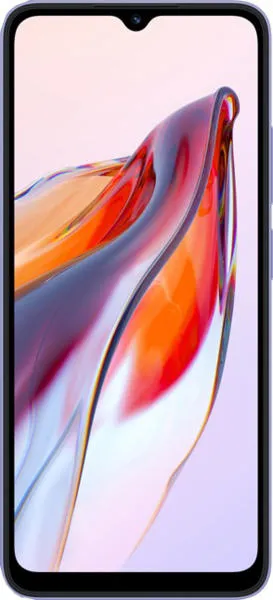
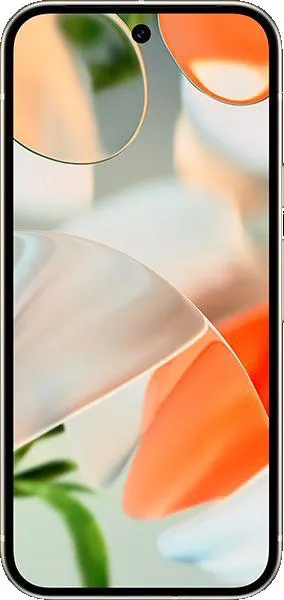
Let's dive into a comparative analysis of the Xiaomi Redmi 12C and the Google Pixel 9, dissecting their specifications and uncovering what they truly offer the user.
1. Specifications Breakdown
| Feature | Xiaomi Redmi 12C | Google Pixel 9 | Real-World Implications | Category |
|---|---|---|---|---|
| Design | ||||
| Dimensions (mm) | 168.8 x 76.4 x 8.8 | 152.8 x 72 x 8.5 | Pixel 9 is noticeably more compact and easier to handle one-handed. | Design |
| Weight (g) | 192 | 198 | Negligible weight difference; both phones feel substantial in hand. | Design |
| Build Materials | Plastic | Glass/Aluminum | Pixel 9 offers a more premium feel and potentially better durability. | Design |
| Display | ||||
| Display Type | IPS LCD | OLED | Pixel 9 delivers richer colors, deeper blacks, and better contrast. | Display |
| Display Size (in) | 6.71 | 6.3 | Redmi 12C offers a larger screen for media consumption; Pixel 9 is more pocketable. | Display |
| Resolution | 720 x 1650 | 1080 x 2424 | Pixel 9 boasts significantly sharper visuals and text. | Display |
| Refresh Rate (Hz) | 60 (assumed) | 120 | Pixel 9 provides smoother scrolling and animations. | Display |
| Performance | ||||
| Chipset | Helio G85 | Tensor G4 | Pixel 9 offers vastly superior processing power and AI capabilities. | Performance |
| CPU | Octa-core 2.0 GHz | Octa-core 3.1 GHz | Pixel 9 handles demanding tasks and multitasking with significantly greater speed and efficiency. | Performance |
| RAM (GB) | 3/4/6 | 12 | Pixel 9's abundant RAM ensures seamless app switching and performance. | Performance |
| OS | Android 12 | Android 14 | Pixel 9 benefits from the latest Android features, security updates, and longer software support. | Performance |
| Camera | ||||
| Main Camera (MP) | 50 | 50 | Comparable megapixel count, but Pixel 9 likely excels in image quality due to superior processing. | Camera |
| Video Recording | 1080p@30fps | 4K@60fps | Pixel 9 offers much higher resolution and frame rate video recording capabilities. | Camera |
| Battery Life | ||||
| Battery (mAh) | 5000 | 4700 | Redmi 12C likely offers longer battery life due to its larger capacity and lower power consumption. | Battery Life |
| Charging | microUSB | USB-C | Pixel 9 supports faster charging and a more modern, reversible connector. | Battery Life |
2. Key Insights
The Redmi 12C is a budget-friendly device prioritizing battery life and a large display. Its strengths lie in its affordability and endurance, making it suitable for basic tasks and media consumption. However, it compromises on performance, camera quality, and overall refinement.
The Pixel 9, on the other hand, is a flagship contender with a powerful processor, exceptional camera, and a premium OLED display. Its strength lies in its seamless performance, cutting-edge software, and advanced imaging capabilities. However, its higher price point reflects these premium features.
3. User Profiles and Recommendations
Redmi 12C: Best suited for budget-conscious users who prioritize battery life and a large screen for media consumption. Ideal for light users who primarily use their phones for calling, texting, browsing, and social media.
Pixel 9: Ideal for power users, photographers, and those seeking the latest Android experience with top-tier performance and camera technology. A great choice for gamers, content creators, and anyone who demands a smooth and responsive mobile experience.
4. Buying Decision Framework
- What is your budget? The Redmi 12C is significantly more affordable.
- What are your primary phone usage patterns? Basic tasks vs. demanding applications and gaming.
- Which features are most important to you? Battery life and large screen vs. performance, camera quality, and premium design.
My Choice: Google Pixel 9
While the Redmi 12C offers excellent value for its price, I would choose the Google Pixel 9. As a tech journalist, I demand top-tier performance, a fluid user experience, and a capable camera for capturing high-quality photos and videos. The Pixel 9's Tensor G4 chip, coupled with its ample RAM and pure Android experience, guarantees a smooth and responsive performance. The advanced camera system and superior image processing are crucial for documenting events and capturing detailed shots. While the battery capacity is slightly smaller than the Redmi 12C, the Pixel 9's overall performance and feature set significantly outweigh this minor trade-off for my specific needs. The longevity provided by timely software updates and the polished user experience solidify the Pixel 9 as the better long-term investment for me.
