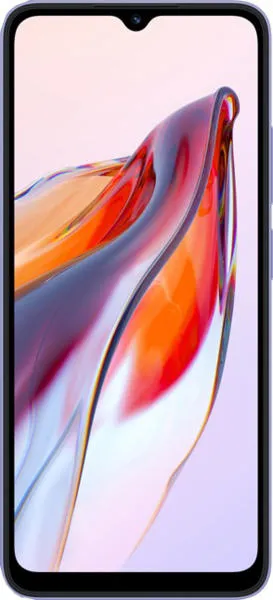
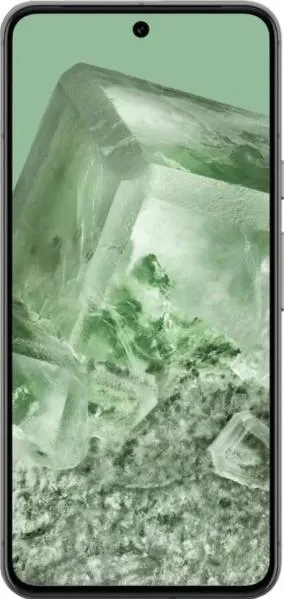
Xiaomi Redmi 12C vs. Google Pixel 8: A Deep Dive
Let's dissect the Xiaomi Redmi 12C and the Google Pixel 8, two smartphones occupying very different corners of the market. We'll break down their specs, analyze their real-world performance, and help you decide which one might be your perfect fit.
1. Specifications Breakdown
| Feature | Xiaomi Redmi 12C | Google Pixel 8 | Real-World Implications |
|---|---|---|---|
| Design | |||
| Dimensions (mm) | 168.8 x 76.4 x 8.8 | 150.5 x 70.8 x 8.9 | Pixel 8 is noticeably more compact and pocketable. |
| Weight (g) | 192 | 187 | Negligible weight difference in hand. |
| Build Materials | Plastic | Glass/Aluminum | Pixel 8 offers a more premium feel and potentially better durability. |
| Display | |||
| Display Type | IPS LCD | OLED | Pixel 8 delivers richer colors, deeper blacks, and better contrast. |
| Size (inches) | 6.71 | 6.2 | Redmi 12C provides a larger screen for media consumption, Pixel 8 is easier to handle. |
| Resolution | 720 x 1650 | 1080 x 2400 | Pixel 8 boasts significantly sharper visuals. |
| Refresh Rate | Unspecified (likely 60Hz) | 120Hz | Pixel 8 offers smoother scrolling and animations. |
| Performance | |||
| Chipset | Helio G85 | Google Tensor G3 | Pixel 8 provides significantly faster processing speeds and superior AI capabilities. |
| CPU | Octa-core (2x2.0 GHz A75 & 6x1.8 GHz A55) | Nona-core (1x3.0 GHz X3 & 4x2.45 GHz A715 & 4x2.15 GHz A510) | Pixel 8 handles demanding tasks and multitasking with ease. |
| RAM | 3/4/6GB | 8GB | Pixel 8 offers smoother multitasking and app switching. |
| Storage | 64/128GB | 128/256GB | Pixel 8 provides more storage for apps, photos, and videos. |
| OS | Android 12 | Android 14 | Pixel 8 has the latest Android version with guaranteed updates for longer. |
| Camera | |||
| Rear Camera | 50MP Main + 2MP Depth | 50MP Main + 12MP Ultrawide | Pixel 8 offers superior image quality, computational photography, and versatility with the ultrawide lens. |
| Front Camera | 5MP | 10.8MP | Pixel 8 provides better selfie quality. |
| Video Recording | 1080p@30fps | Up to 4K@60fps | Pixel 8 offers significantly better video resolution and frame rates. |
| Battery Life | |||
| Capacity | 5000 mAh | 4575 mAh | While Redmi 12C has a larger battery, Pixel 8's efficient chip might offer comparable battery life. Real-world usage will vary. |
2. Key Insights
The Redmi 12C is a budget-focused device prioritizing a large display and long battery life. It's designed for basic tasks like calling, texting, browsing, and light media consumption.
The Pixel 8, on the other hand, is a flagship contender. Its Tensor G3 chip delivers exceptional performance and AI capabilities. The camera system is top-notch, the display is vibrant and smooth, and you get the purest Android experience with timely updates.
3. User Profiles and Recommendations
Redmi 12C: Ideal for budget-conscious users who prioritize basic functionality, a large screen, and long battery life. Students, casual users, or those seeking a secondary device would find it suitable.
Pixel 8: Perfect for power users, photography enthusiasts, and those who demand a premium Android experience with the latest features, top-tier performance, and guaranteed software updates.
4. Buying Decision Framework
- What's your budget? The Redmi 12C is significantly cheaper.
- What are your primary smartphone needs? Basic communication and media consumption vs. demanding tasks, gaming, and high-quality photography.
- How important are software updates and long-term support? The Pixel 8 will receive updates for much longer.
Scenario-Based Recommendations:
- Limited budget, basic needs: Redmi 12C
- Best possible camera and performance: Pixel 8
- Balance of features and affordability: Consider mid-range options (neither of these phones fit this category).
My Choice: Google Pixel 8
While the Redmi 12C offers excellent value for its price, I would choose the Pixel 8. As a tech journalist, I need a device with top-tier performance for multitasking, content creation, and running various benchmarking apps. The Pixel 8's superior camera system is essential for capturing high-quality photos and videos for my articles. The guarantee of timely software updates and the clean Android experience are crucial for staying at the forefront of mobile technology. While the price is higher, the Pixel 8's comprehensive feature set and future-proof nature make it a worthwhile investment for my needs. The smooth 120Hz display and compact form factor are the icing on the cake.
