
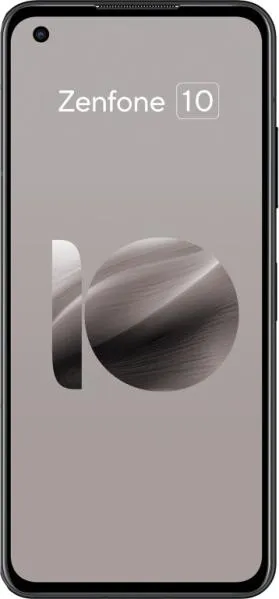
Xiaomi Redmi 12C vs. Asus Zenfone 10: A Deep Dive for the Discerning Smartphone User
Hello, fellow tech explorers! Alex Griffin here, ready to dissect the Xiaomi Redmi 12C and the Asus Zenfone 10. We'll go beyond the spec sheets to uncover what these phones really offer in terms of daily use. Let's dive in!
1. Specifications Breakdown
| Feature | Xiaomi Redmi 12C | Asus Zenfone 10 | Real-World Implications |
|---|---|---|---|
| Design | |||
| Dimensions (mm) | 168.8 x 76.4 x 8.8 | 146.5 x 68.1 x 9.4 | Zenfone 10 significantly more compact, pocketable, and easier to handle one-handed. |
| Weight (g) | 192 | 172 | Zenfone 10 noticeably lighter, reducing hand fatigue during extended use. |
| Build Materials | Plastic | Aluminum frame, Gorilla Glass Victus | Zenfone 10 boasts premium durability and a more refined feel. |
| Display | |||
| Size (inches) | 6.71 | 5.92 | Redmi 12C offers a larger screen for media consumption; Zenfone 10 prioritizes portability. |
| Resolution | 720 x 1650 | 1080 x 2400 | Zenfone 10 provides significantly sharper visuals and text. |
| Panel Type | IPS LCD | Super AMOLED | Zenfone 10 delivers vibrant colors, deeper blacks, and better outdoor visibility. |
| Refresh Rate | 60Hz (Standard) | 144Hz | Zenfone 10 offers incredibly smooth scrolling and animations. |
| Performance | |||
| Chipset | Helio G85 | Snapdragon 8 Gen 2 | Zenfone 10 vastly outperforms in speed, multitasking, and demanding applications. |
| CPU | Octa-core 2.0 GHz | Octa-core 3.2 GHz | Zenfone 10 handles complex tasks and heavy gaming with ease. |
| RAM | 3/4/6GB | 8/16GB | Zenfone 10 enables seamless multitasking and app switching. |
| Camera | |||
| Main Camera | 50MP | 50MP (IMX766) | Zenfone 10 likely produces superior image quality due to a larger sensor and OIS. |
| Video Recording | 1080p@30fps | 8K@24fps | Zenfone 10 offers significantly higher resolution and more advanced video features. |
| Battery Life | |||
| Capacity (mAh) | 5000 | 4300 | Redmi 12C likely offers longer battery life due to larger capacity and lower-power display. |
| Charging | 10W | 30W | Zenfone 10 charges significantly faster. |
| Price | Low | Medium | Redmi 12C significantly more affordable; Zenfone 10 positioned as a premium compact. |
2. Key Insights
- Performance Powerhouse: The Zenfone 10 is a clear winner in performance, thanks to the flagship Snapdragon 8 Gen 2. The Redmi 12C, with its Helio G85, is geared towards basic tasks.
- Display Delight: The Zenfone 10's AMOLED display with a 144Hz refresh rate delivers a visually stunning and incredibly smooth experience. The Redmi 12C's LCD is functional but lacks the vibrancy and responsiveness of the Zenfone.
- Compact Champion: The Zenfone 10's compact form factor is a standout feature for users who prefer one-handed usability.
- Budget-Friendly Option: The Redmi 12C shines in its affordability, making it accessible to budget-conscious consumers.
3. User Profiles and Recommendations
- Redmi 12C: Ideal for users seeking a basic smartphone for calls, messaging, social media browsing, and light content consumption. Its large display is suitable for media viewing, and the long battery life is a plus.
- Zenfone 10: Perfect for power users, mobile gamers, and photography enthusiasts who demand top-tier performance, a premium display, and a pocketable design.
4. Buying Decision Framework
- What is your budget? If price is a primary concern, the Redmi 12C is the clear choice.
- What level of performance do you need? For demanding tasks and gaming, the Zenfone 10 is essential.
- How important is portability? If you value a compact phone for one-handed use, the Zenfone 10 excels.
My Choice: As Alex Griffin, I would choose the Asus Zenfone 10. While the Redmi 12C offers excellent value for its price, my workflow demands the raw power, smooth display, and compact form factor of the Zenfone 10. The premium build quality and advanced camera features further solidify its appeal. I prioritize performance, a fluid user experience, and portability, making the Zenfone 10 the perfect fit for my needs. Though the price is higher, the long-term benefits in terms of productivity and enjoyment justify the investment.
