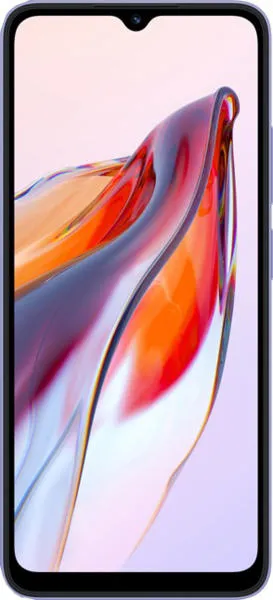
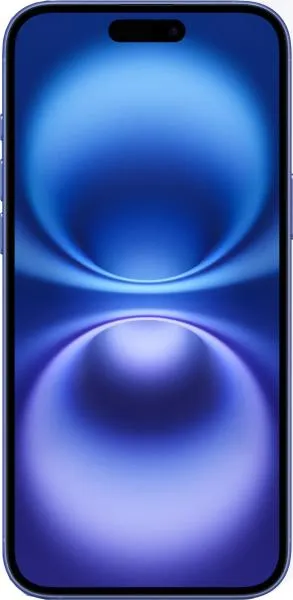
Xiaomi Redmi 12C vs. Apple iPhone 16 Plus: A Deep Dive
Let's dissect the Xiaomi Redmi 12C and the Apple iPhone 16 Plus, two phones occupying very different corners of the smartphone arena. My goal is to arm you with the knowledge to decide which one best fits your needs.
1. Specifications Breakdown
| Feature | Xiaomi Redmi 12C | Apple iPhone 16 Plus | Real-World Implications |
|---|---|---|---|
| Design | |||
| Dimensions (mm) | 168.8 x 76.4 x 8.8 | 160.9 x 77.8 x 7.8 | iPhone 16 Plus is slightly more compact and thinner. |
| Weight (g) | 192 | 199 | Negligible weight difference in real-world usage. |
| Build Material | Plastic | Glass & Aluminum | iPhone boasts premium materials, contributing to durability and a more premium feel. |
| Display | |||
| Size (inches) | 6.71 | 6.7 | Virtually identical screen real estate. |
| Resolution | 720 x 1650 | 1290 x 2796 | iPhone has a significantly sharper display (460 ppi vs. 268 ppi), resulting in crisper visuals. |
| Display Type | IPS LCD | Super Retina XDR OLED | iPhone's OLED offers superior contrast, deeper blacks, and potentially brighter highlights. |
| Performance | |||
| Chipset | Helio G85 | Apple A18 | A18 is vastly more powerful, enabling seamless multitasking and demanding gaming. |
| RAM (GB) | 3/4/6 | 8 | More RAM on the iPhone allows for smoother performance with multiple open apps. |
| OS | Android 12 | iOS 18 | Different operating systems cater to different preferences and ecosystems. |
| Camera | |||
| Main Camera (MP) | 50 | 48 | iPhone's camera system, while lower resolution, likely benefits from superior image processing. |
| Video Recording | 1080p@30fps | Up to 4K@60fps | iPhone offers significantly higher resolution and frame rate video recording capabilities. |
| Battery Life | |||
| Capacity (mAh) | 5000 | 4674 | While Redmi 12C has a larger battery, real-world battery life depends on optimization. |
2. Key Insights
- Performance: The iPhone 16 Plus dwarfs the Redmi 12C in processing power, thanks to the A18 chip. This translates to a smoother, faster experience across the board, especially for demanding tasks. The Redmi 12C is designed for basic usage.
- Display: The iPhone's Super Retina XDR OLED display delivers a vibrant, high-contrast viewing experience that the Redmi 12C's LCD simply can't match. The higher resolution also makes text and images noticeably sharper on the iPhone.
- Camera: While megapixel counts are close, the iPhone likely produces superior image quality due to Apple's advanced image processing. The iPhone's video recording capabilities are far more advanced.
- Software & Ecosystem: iOS and Android offer distinct experiences. iOS is known for its simplicity and tight integration, while Android allows for more customization. Your choice here depends largely on personal preference.
- Price: The Redmi 12C targets the budget-conscious market, while the iPhone 16 Plus sits in the premium segment. This price difference reflects the disparity in performance, features, and build quality.
3. User Profiles and Recommendations
- Redmi 12C: Best suited for users on a tight budget who prioritize basic communication (calls, texts, social media) and light web browsing. Students, seniors, or anyone looking for a simple, affordable secondary device might find it suitable.
- iPhone 16 Plus: Ideal for users who demand top-tier performance, a stunning display, and a polished user experience. Content creators, mobile gamers, and those heavily invested in the Apple ecosystem will appreciate its capabilities.
4. Buying Decision Framework
- What's your budget? If price is a primary concern, the Redmi 12C is the more realistic option.
- What are your primary use cases? For demanding tasks, gaming, and media consumption, the iPhone 16 Plus is the clear winner. For basic communication and light usage, the Redmi 12C might suffice.
- Which operating system do you prefer? Your familiarity and comfort with either iOS or Android should heavily influence your decision.
My Choice: Apple iPhone 16 Plus
While the Redmi 12C offers incredible value for its price, I would choose the iPhone 16 Plus. As a tech journalist, I need a device that can handle multitasking, demanding apps, and content creation with ease. The iPhone's superior performance, stunning display, and advanced camera system are essential for my workflow. Although the price is significantly higher, the long-term value, performance consistency, and ecosystem integration of the iPhone make it a worthwhile investment for my needs. I also appreciate the premium build quality and the seamless integration with other Apple devices. The Redmi 12C, while a solid budget option, simply doesn't meet my requirements for performance and overall user experience.
