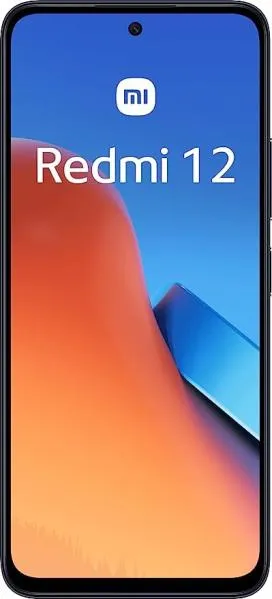

1. Specifications Comparison
| Feature | Xiaomi Redmi 12 | ZTE nubia Z60 Ultra | Practical Impact |
|---|---|---|---|
| Design | |||
| Dimensions (mm) | 168.6 x 76.3 x 8.2 | 164 x 76.4 x 8.8 | Redmi 12 is slightly taller and thinner, Z60 Ultra is a bit wider and noticeably thicker. Negligible difference in daily use. |
| Weight (g) | 198.5 | 246 | Redmi 12 is significantly lighter, reducing hand fatigue during extended use. |
| Build | Material specifications missing for both phones, preventing a comprehensive comparison. | ||
| Display | |||
| Display Type | IPS LCD | AMOLED | AMOLED offers deeper blacks, more vibrant colors, and better power efficiency in dark mode. |
| Display Size (inches) | 6.79 | 6.8 | Negligible size difference. Both offer large screen real estate for media consumption. |
| Resolution | 1080 x 2460 | 1116 x 2480 | Similar resolutions, resulting in comparable sharpness. Z60 Ultra's slightly higher pixel density is insignificant. |
| Refresh Rate (Hz) | 90 | 120 | Z60 Ultra's 120Hz refresh rate provides smoother scrolling and animations, enhancing the user experience, especially in gaming. |
| Peak Brightness (nits) | 550 | 1500 | Z60 Ultra offers far superior peak brightness, ensuring excellent outdoor visibility even in direct sunlight. |
| Performance | |||
| Chipset | Mediatek Helio G88 (12nm) | Qualcomm Snapdragon 8 Gen 3 (4nm) | Snapdragon 8 Gen 3 is significantly more powerful, enabling smoother multitasking, faster app loading, and superior gaming performance. |
| CPU | Octa-core (2x2.0 GHz Cortex-A75 & 6x1.8 GHz Cortex-A55) | Octa-core (1x3.3 GHz Cortex-X4 & 3x3.2 GHz Cortex-A720 & 2x3.0 GHz Cortex-A720 & 2x2.3 GHz Cortex-A520) | Snapdragon 8 Gen 3's superior core configuration and clock speeds provide a substantial performance advantage. |
| GPU | Mali-G52 MC2 | Adreno 750 | Adreno 750 offers significantly better graphics performance, crucial for demanding games and graphic-intensive applications. |
| RAM | 4/8 GB | 8/12/16/24 GB | Z60 Ultra offers more RAM options, with higher capacities enabling better multitasking and smoother performance with memory-intensive tasks. |
| Camera | |||
| Main Camera | 50MP | 54MP | Both have high-resolution main sensors. Image quality will depend more on sensor size, aperture, and processing. Z60 Ultra uses a Sony IMX800 which generally performs very well. |
| Ultrawide | 8MP | 50MP | Z60 Ultra's 50MP ultrawide offers significantly higher resolution and likely better image quality compared to Redmi 12's 8MP. |
| Telephoto | None | 64MP | Z60 Ultra offers a dedicated telephoto lens for optical zoom, enabling lossless zoomed-in shots, a feature absent in the Redmi 12. |
| Video Recording | 1080p@30fps | Up to 8K@30fps | Z60 Ultra offers significantly higher video resolution and frame rate options, including 8K recording. |
| Battery | |||
| Capacity (mAh) | 5000 | 6000 | Z60 Ultra has a larger battery capacity, potentially offering longer battery life. Actual usage will vary depending on usage patterns and screen-on time. |
2. Key Differences Analysis
ZTE nubia Z60 Ultra Advantages:
- Significantly more powerful: Snapdragon 8 Gen 3 offers a substantial performance advantage for demanding tasks and gaming.
- Superior display: AMOLED with 120Hz refresh rate and higher brightness delivers a more vibrant and responsive visual experience.
- More versatile camera system: Includes a high-resolution ultrawide and a telephoto lens for optical zoom. Superior video recording capabilities.
- Larger battery: Potentially longer battery life.
Xiaomi Redmi 12 Advantages:
- Lighter and more compact: Easier to handle and carry.
- Lower price: Offers a more budget-friendly option.
3. User Profiles & Recommendations
ZTE nubia Z60 Ultra: Ideal for users who prioritize performance, a premium display, and advanced camera features. Suitable for gamers, power users, and photography enthusiasts.
Xiaomi Redmi 12: Best suited for budget-conscious users who prioritize basic functionality and a lightweight design. Suitable for casual users, light gaming, and everyday tasks.
4. Decision Framework
Key Questions for Buyers:
- What is your budget? The Z60 Ultra is significantly more expensive.
- What are your performance requirements? For demanding tasks and gaming, the Z60 Ultra is a clear winner.
- How important are camera features? The Z60 Ultra offers a more versatile camera system with higher resolution and optical zoom.
My Choice: ZTE nubia Z60 Ultra
While the Redmi 12 offers excellent value for its price, the ZTE nubia Z60 Ultra is the superior device overall. The significant performance difference, superior display quality, more versatile camera system, and larger battery justify the higher price for me. I prioritize a smooth and responsive user experience, excellent visuals, and the ability to capture high-quality photos and videos. While the Redmi 12 is a solid budget option, the Z60 Ultra's premium features align better with my needs and preferences.
