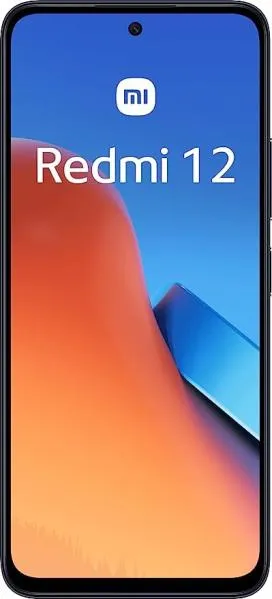
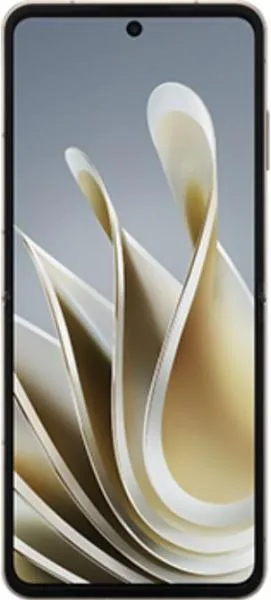
1. Specifications Comparison
| Feature | Xiaomi Redmi 12 | ZTE nubia Flip | Practical Impact |
|---|---|---|---|
| Design | |||
| Dimensions (mm) | 168.6 x 76.3 x 8.2 | 170 x 75.5 x 7 | Nubia Flip is slightly taller and narrower when unfolded, but significantly thinner. Redmi 12 is lighter. Nubia's foldable design offers portability advantage when closed. |
| Weight (g) | 198.5 | 214 | Redmi 12 is noticeably lighter for everyday use. |
| Foldable | No | Yes | Nubia Flip's foldable design allows for a larger screen in a more compact form factor when closed. |
| Display | |||
| Display Type | IPS LCD | Foldable OLED | Nubia Flip offers potentially deeper blacks, more vibrant colors, and better power efficiency due to OLED technology. |
| Display Size (inches) | 6.79 | 6.9 | Nubia Flip has a slightly larger screen. |
| Resolution (px) | 1080 x 2460 | 1188 x 2790 | Nubia Flip boasts a higher resolution, leading to sharper text and images. |
| Refresh Rate (Hz) | 90 | 120 | Nubia Flip provides smoother scrolling and animations thanks to its higher refresh rate. |
| Performance | |||
| Chipset | Mediatek Helio G88 (12nm) | Snapdragon 7 Gen 1 (4nm) | Snapdragon 7 Gen 1 offers significantly better performance and power efficiency due to its more advanced architecture and smaller manufacturing process. |
| CPU | Octa-core (2x2.0 GHz A75 & 6x1.8 GHz A55) | Octa-core (1x2.4 GHz A710 & 3x2.36 GHz A710 & 4x1.8 GHz A510) | Nubia Flip will handle demanding tasks and multitasking much more smoothly. |
| GPU | Mali-G52 MC2 | Adreno 644 | Nubia Flip's Adreno 644 GPU provides a significant leap in graphics performance for gaming and other visually intensive tasks. |
| RAM (GB) | 8/4 (depending on version) | 8 | Nubia Flip offers more RAM in the specified configuration, enabling better multitasking. |
| Camera | |||
| Rear Camera (MP) | 50MP Main, 8MP Wide, 2MP Macro | 50MP Main, 2MP Depth | Both phones have comparable main camera resolution. Redmi 12 offers a dedicated wide-angle lens, while Nubia Flip includes a depth sensor for portrait mode. Missing detailed sensor specs limit in-depth comparison. |
| Front Camera (MP) | 8MP | 16MP | Nubia Flip has a significantly higher resolution front camera for better selfies. |
| Battery | |||
| Capacity (mAh) | 5000 | 4310 | Redmi 12 has a larger battery capacity, potentially offering longer battery life. However, real-world usage will depend on factors like display type and processor efficiency. |
2. Key Differences Analysis
Xiaomi Redmi 12 Advantages:
- Lower Price: Expected to be significantly cheaper.
- Larger Battery: Potentially longer battery life.
- Lighter Weight: More comfortable for extended use.
- Wide-angle lens: Offers broader field of view for photography.
ZTE nubia Flip Advantages:
- Foldable Design: Increased portability and larger screen in a compact body.
- Significantly Better Performance: Smoother multitasking, faster app loading, better gaming.
- Higher Quality Display: More vibrant colors, deeper blacks, and smoother refresh rate.
- Higher Resolution Front Camera: Better selfies.
- 5G Connectivity: Faster data speeds where available.
Trade-offs:
- Redmi 12: Sacrifices performance, display quality, and modern features for affordability.
- Nubia Flip: Higher price, smaller battery capacity, potential durability concerns associated with foldable phones.
3. User Profiles & Recommendations
Xiaomi Redmi 12: Budget-conscious users who prioritize basic functionality, long battery life, and affordability over high-end features. Suitable for casual use: calling, texting, web browsing, social media.
ZTE nubia Flip: Users who value portability, a large screen, and strong performance, and are willing to pay a premium for a foldable design. Ideal for users who consume multimedia content, play mobile games, and appreciate cutting-edge technology.
4. Decision Framework
Key Questions:
- What is your budget? Redmi 12 is a budget-friendly option, while the Nubia Flip is a premium device.
- What are your priorities? Performance, portability, battery life, camera quality, or price?
- Are you comfortable with a foldable phone? Consider potential durability and cost of repair.
Scenario-Based Recommendations:
- Limited Budget, Basic Needs: Redmi 12
- Prioritize Performance and Latest Technology: Nubia Flip
- Value Portability and Large Screen: Nubia Flip
- Concerned about Battery Life: Redmi 12 (but real-world testing is needed to confirm)
My Choice: ZTE nubia Flip
While the Redmi 12 offers excellent value for its price, the ZTE nubia Flip represents a more compelling package for my needs. The superior performance, stunning display, and innovative foldable design outweigh the higher price and slightly smaller battery. I prioritize a smooth user experience, and the Snapdragon 7 Gen 1, coupled with the 120Hz OLED display, promises just that. The foldable form factor is a significant advantage for portability without sacrificing screen real estate. While the battery is smaller, the power efficiency of the Snapdragon 7 Gen 1 could potentially offset this difference in real-world usage. I'm willing to invest more for a device that offers a significant upgrade in overall user experience and future-proof features like 5G.
