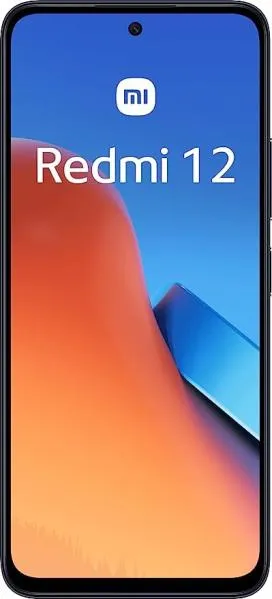
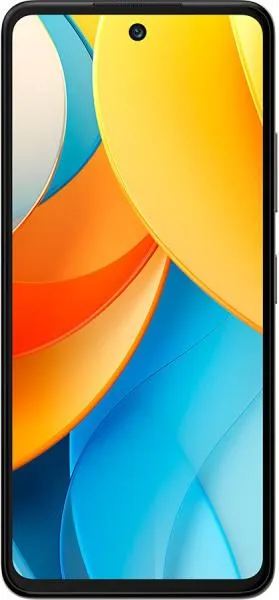
1. Specifications Comparison
| Feature | Xiaomi Redmi 12 | ZTE Blade V60 Design | Practical Impact |
|---|---|---|---|
| Design | |||
| Dimensions (mm) | 168.6 x 76.3 x 8.2 | 164.2 x 75.3 x 8.6 | Redmi 12 slightly taller and wider, V60 slightly thicker. Negligible difference in hand feel. |
| Weight (g) | 198.5 | 198 | Virtually identical weight. |
| Build Materials | Not specified | Not specified | Cannot compare build quality and durability. |
| Display | |||
| Size (inches) | 6.79 | 6.6 | Redmi 12 offers a larger screen for more immersive media consumption. |
| Resolution (px) | 1080 x 2460 | 720 x 1612 | Significantly sharper and more detailed visuals on the Redmi 12. V60's lower resolution will result in pixelation and less clarity. |
| PPI | 396 | 267 | Redmi 12's higher pixel density provides crisper text, images, and videos. |
| Refresh Rate (Hz) | 90 | 90 | Both offer smooth scrolling and animations. |
| Display Type | IPS LCD | IPS LCD | Similar color reproduction and viewing angles expected. |
| Performance | |||
| Chipset | Mediatek Helio G88 (12nm) | Unisoc T606 (12nm) | Both are entry-level chipsets, but the Helio G88 generally performs slightly better in benchmarks, potentially leading to smoother multitasking and slightly faster app loading times on the Redmi 12. |
| CPU | Octa-core (2x2.0 GHz Cortex-A75 & 6x1.8 GHz Cortex-A55) | Octa-core (2x1.6 GHz Cortex-A75 & 6x1.6 GHz Cortex-A55) | Redmi 12 has faster CPU cores, resulting in better performance for demanding tasks. |
| GPU | Mali-G52 MC2 | Mali-G57 MP1 | While G57 is a newer generation, MC2 might offer better performance in this specific configuration. Direct comparison is difficult without benchmarks. |
| RAM | 4GB/8GB options | 4GB/6GB options | More RAM options with the Redmi 12, 8GB offering smoother multitasking. |
| Storage | 128GB/256GB options | 256GB option | Redmi 12 offers a 128GB option for budget-conscious users. |
| Camera | |||
| Main Camera (MP) | 50 | 50 | Megapixel count is similar; image quality will depend on sensor and software processing, which cannot be fully compared without real-world samples. |
| Other Cameras | 8MP Wide, 2MP Macro | 2MP Portrait, 0.3MP unspecified | Redmi 12's wide-angle lens offers more versatility. The purpose of the 0.3MP lens on the V60 is unclear. |
| Video Recording | 1080p@30fps | 1080p@30fps | Similar video recording capabilities. |
| Battery | |||
| Capacity (mAh) | 5000 | 5000 | Similar battery capacities; actual battery life will depend on software optimization and usage patterns. |
2. Key Differences Analysis
Redmi 12 Advantages:
- Sharper Display: Significantly higher resolution display resulting in a much better viewing experience.
- Better Performance: Faster CPU and potentially better GPU performance.
- More Versatile Camera: Inclusion of a wide-angle lens.
- More RAM/Storage Configurations: Caters to a wider range of budget and storage needs.
ZTE Blade V60 Design Advantages:
- Slightly Smaller Form Factor: Might be preferred by users who prefer smaller phones.
- Potentially Lower Price: Belongs to a lower price range.
3. User Profiles & Recommendations
Redmi 12: Users who prioritize display quality, performance, and camera versatility. Suitable for media consumption, gaming, and general use.
ZTE Blade V60 Design: Budget-conscious users who primarily need a basic smartphone for calling, texting, and light internet browsing. Suitable for users who prioritize affordability over performance and features.
4. Decision Framework
Key Questions for Buyers:
- What is your budget? The V60 Design is expected to be cheaper.
- What is your primary use for the phone? For media consumption and gaming, the Redmi 12 is significantly better. For basic use, the V60 Design might suffice.
- How important is display quality? The Redmi 12's display is a major advantage.
Scenario-Based Recommendations:
- Tight Budget, Basic Use: ZTE Blade V60 Design
- Balanced Budget, Everyday Use: Xiaomi Redmi 12
- Prioritize Display and Performance: Xiaomi Redmi 12
My Choice: Xiaomi Redmi 12
The Xiaomi Redmi 12 is the clear winner for me. While specific pricing information isn't available for comparison, the significantly better display, superior performance, and more versatile camera system outweigh any potential price difference. The higher resolution alone drastically improves the user experience for media consumption, web browsing, and even everyday tasks. The performance difference, while perhaps not massive, would still contribute to a smoother and more responsive user experience over time. The V60 Design's lower resolution screen is a major drawback in today's market. Unless budget is extremely tight, the Redmi 12 offers much better value.
