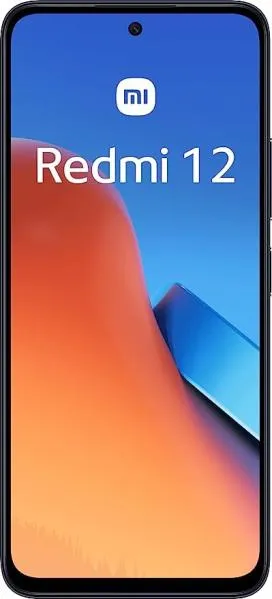
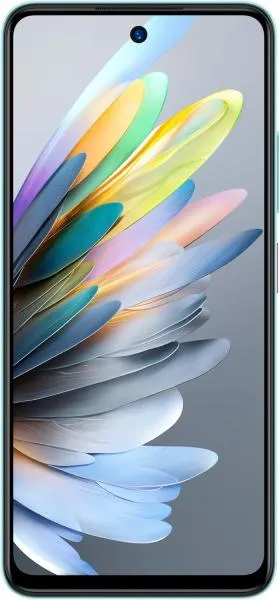
1. Specifications Comparison
| Feature | Xiaomi Redmi 12 | ZTE Blade A75 4G | Practical Impact |
|---|---|---|---|
| Design | |||
| Dimensions (mm) | 168.6 x 76.3 x 8.2 | 164.1 x 75.8 x 8.6 | Redmi 12 is slightly taller and wider, A75 slightly thicker. Negligible difference in everyday use. |
| Weight (g) | 198.5 | 189 | Redmi 12 is slightly heavier, but the difference is minimal. |
| Display | |||
| Size (inches) | 6.79 | 6.6 | Redmi 12 has a noticeably larger screen, better for media consumption. |
| Resolution (px) | 1080 x 2460 | 720 x 1612 | Redmi 12's significantly higher resolution provides sharper text and images. A75's lower resolution might appear pixelated. |
| PPI | 396 | 267 | Redmi 12 offers a much sharper display due to higher pixel density. |
| Refresh Rate (Hz) | 90 | 90 | Both offer smooth scrolling and animations thanks to the 90Hz refresh rate. |
| Display Type | IPS LCD | IPS LCD | Both use IPS LCD technology, offering good color reproduction and viewing angles. |
| Performance | |||
| Chipset | Mediatek Helio G88 (12nm) | Unisoc T606 (12nm) | G88 generally performs better in benchmarks. Redmi 12 likely to offer smoother multitasking and gaming. |
| CPU | Octa-core (2x2.0 GHz Cortex-A75 & 6x1.8 GHz Cortex-A55) | Octa-core (2x1.6 GHz Cortex-A75 & 6x1.6 GHz Cortex-A55) | Redmi 12's faster CPU cores offer a performance advantage in demanding tasks. |
| GPU | Mali-G52 MC2 | Mali-G57 MP1 | While G57 is a newer generation, practical gaming performance depends on optimization. G52 in Redmi 12 is no slouch. |
| RAM (GB) | 4/8 | 4/8 | Both offer configurations with ample RAM for multitasking. |
| Camera | |||
| Main Camera (MP) | 50 | 50 | Megapixel count is similar, but image quality depends on sensor and software processing. Detailed comparison not possible with available data. |
| Other Cameras | 8MP ultrawide, 2MP macro | 0.3MP (unknown), likely depth sensor | Redmi 12 offers a usable ultrawide, providing more versatility. |
| Battery | |||
| Capacity (mAh) | 5000 | 5000 | Similar battery capacity suggests comparable battery life, though actual usage will vary. |
2. Key Differences Analysis
Xiaomi Redmi 12 Advantages:
- Superior Display: Sharper and larger display provides a better media consumption experience.
- Better Performance: Faster CPU and potentially better GPU performance result in smoother overall usage, especially in demanding tasks and gaming.
- More Versatile Camera: The inclusion of an ultrawide lens adds versatility for capturing landscapes and group photos.
ZTE Blade A75 4G Advantages:
- Potentially Lower Price: Belongs to a lower price range, suggesting better affordability.
- Lighter Weight: Slightly lighter, though the difference is minimal.
3. User Profiles & Recommendations
Xiaomi Redmi 12: Suitable for users who prioritize display quality, performance, and camera versatility. Ideal for media consumption, gaming, and everyday tasks.
ZTE Blade A75 4G: Best suited for budget-conscious users who prioritize affordability and require a basic smartphone for communication, social media, and light tasks. Storage capacity may be attractive for users who need to store lots of files locally.
4. Decision Framework
Key Questions for Buyers:
- What is your budget? The ZTE Blade A75 4G is likely more affordable.
- What is your primary use case? Redmi 12 for demanding tasks, media, and gaming; A75 4G for basic communication and light usage.
- How important is display quality? Redmi 12 offers a significantly better display.
Scenario-Based Recommendations:
- Limited Budget, Basic Use: ZTE Blade A75 4G
- Balanced Performance and Price: Xiaomi Redmi 12
My Choice: Xiaomi Redmi 12
Reasoning: The Redmi 12 offers a significantly better display and performance for a relatively small price difference. The superior multimedia experience and smoother performance in everyday tasks outweigh the minor weight and potential price advantages of the ZTE Blade A75 4G. The inclusion of a usable ultrawide lens also enhances the Redmi 12's versatility. While the A75 4G offers more storage in its base configuration, cloud storage is readily available and often a better solution for most users. For the majority of users, the Redmi 12 offers a more compelling overall package.
