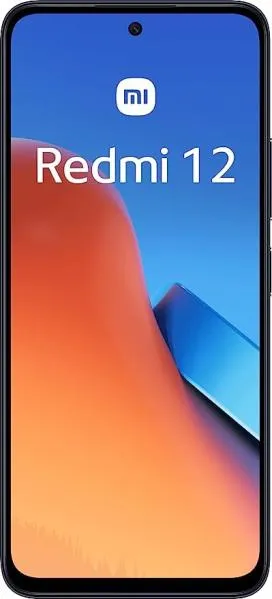
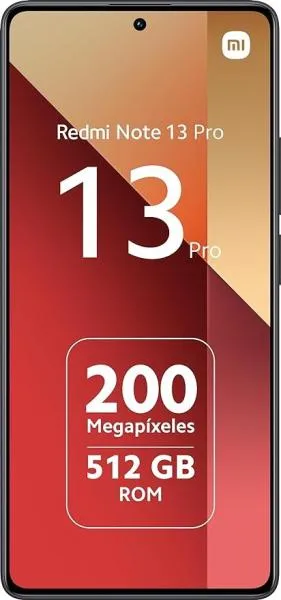
1. Specifications Comparison
| Feature | Xiaomi Redmi 12 | Xiaomi Redmi Note 13 Pro 4G | Practical Impact |
|---|---|---|---|
| Design | |||
| Dimensions (mm) | 168.6 x 76.3 x 8.2 | 161.1 x 75 x 8 | Redmi 12 is slightly larger and thicker. Note 13 Pro might feel more compact in hand. |
| Weight (g) | 198.5 | 188 | Redmi 12 is noticeably heavier. |
| Build Material | Not specified | Not specified | Cannot compare build quality and durability without material information. |
| Display | |||
| Display Type | IPS LCD | AMOLED | AMOLED offers deeper blacks, more vibrant colors, and potentially better power efficiency. Redmi 12's LCD might be brighter in direct sunlight. |
| Display Size (inches) | 6.79 | 6.67 | Negligible size difference in real-world usage. |
| Resolution | 1080 x 2460 | 1080 x 2400 | Virtually identical sharpness. |
| Refresh Rate (Hz) | 90 | 120 | Note 13 Pro will offer smoother scrolling and animations. |
| Peak Brightness (nits) | 550 | 1300 | Note 13 Pro will be significantly brighter outdoors and in HDR content. |
| Performance | |||
| Chipset | Mediatek Helio G88 (12nm) | Mediatek Helio G99 Ultra | Note 13 Pro's newer and more powerful chipset will provide better performance in demanding tasks and gaming. |
| CPU | Octa-core (2x2.0 GHz Cortex-A75 & 6x1.8 GHz Cortex-A55) | Octa-core (2x2.2 GHz Cortex-A76 & 6x2.0 GHz Cortex-A55) | Note 13 Pro has faster and more efficient CPU cores, leading to improved responsiveness. |
| GPU | Mali-G52 MC2 | Mali-G57 MC2 | Note 13 Pro has a significantly more powerful GPU, resulting in smoother gaming and graphics performance. |
| RAM | 4/8 GB | 8/12 GB | Note 13 Pro offers more RAM, enabling better multitasking and preventing app closures in the background. |
| Camera | |||
| Main Camera (MP) | 50 | 200 | Note 13 Pro boasts a much higher resolution main sensor, potentially capturing more detail. However, megapixels alone don't guarantee image quality. Sensor size and processing are crucial. |
| Front Camera (MP) | 8 | 16 | Note 13 Pro has a higher resolution front camera for better selfies. |
| Video Recording | 1080p@30fps | 1080p@30/60fps | Note 13 Pro offers more video recording options, including 60fps for smoother footage. |
| Battery | |||
| Capacity (mAh) | 5000 | 5000 | Identical battery capacity. Actual battery life will depend on usage and optimization. |
| Other | |||
| OS | Android 13 | Android 13 | Both phones run on Android 13, but Note 13 Pro has a longer promised software update cycle (up to Android 16). |
| NFC | Yes | Yes | Both support contactless payments. |
2. Key Differences Analysis
Redmi 12 Advantages:
- Potentially Lower Price: Based on historical trends and the "medium price" designation, the Redmi 12 is likely more affordable.
Redmi Note 13 Pro 4G Advantages:
- Superior Performance: Significantly faster processor and GPU for smoother operation and gaming.
- Better Display: AMOLED screen with higher refresh rate (120Hz) and peak brightness for a more vibrant and responsive visual experience.
- Higher Resolution Camera: 200MP main camera potentially captures more detail.
- Longer Software Support: Guaranteed updates to Android 16.
- More RAM: More RAM for improved multitasking.
Trade-offs:
- Price: The Redmi Note 13 Pro 4G likely comes at a higher price for its enhanced features.
- Size and Weight: The Redmi 12 is slightly larger and heavier, which might be less comfortable for some users.
3. User Profiles & Recommendations
Redmi 12: Budget-conscious users who prioritize basic functionality, casual web browsing, and light media consumption.
Redmi Note 13 Pro 4G: Users who value performance, a premium display, a high-resolution camera, smoother gaming, and extended software support. Suitable for demanding tasks, mobile photography enthusiasts, and gamers.
4. Decision Framework
Key Questions for Buyers:
- What is your budget? The Redmi 12 likely offers better value for budget-conscious buyers.
- What are your primary use cases? For demanding tasks and gaming, the Note 13 Pro 4G is significantly better. For basic usage, the Redmi 12 might suffice.
- How important is display quality and camera performance? The Note 13 Pro 4G offers a noticeable upgrade in both areas.
My Choice: Xiaomi Redmi Note 13 Pro 4G
While the Redmi 12 offers a budget-friendly option, the Redmi Note 13 Pro 4G presents a compelling package with its superior performance, AMOLED display, and higher-resolution camera. The longer software update commitment ensures a longer lifespan for the device. Although the price is likely higher, the significant improvements in key areas make it a more future-proof and enjoyable device to use in the long run. The performance difference between the Helio G88 and the G99 Ultra, coupled with the much better GPU, would significantly impact daily use and especially gaming. The AMOLED display is also a significant upgrade over the LCD. For me, these improvements are worth the price difference.
