1. Specifications Comparison
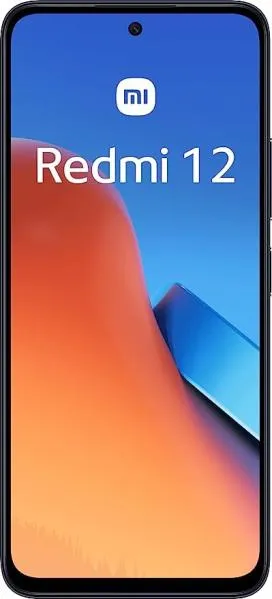
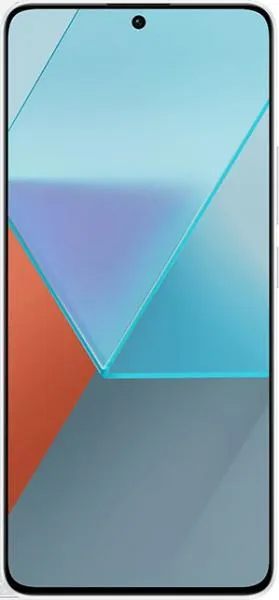
| Feature | Xiaomi Redmi 12 | Xiaomi Redmi Note 13 Pro | Practical Impact |
|---|---|---|---|
| Design | |||
| Dimensions (mm) | 168.6 x 76.3 x 8.2 | 161.2 x 74.2 x 8.0 | Redmi Note 13 Pro is slightly smaller and more compact. |
| Weight (g) | 198.5 | 187 | Redmi Note 13 Pro is noticeably lighter, improving one-handed use. |
| Fingerprint Sensor | Side-mounted | Under-display | Preference-based, under-display often perceived as more premium. |
| Display | |||
| Display Type | IPS LCD | AMOLED | AMOLED offers deeper blacks, vibrant colors, and better power efficiency in dark mode. |
| Display Size (inches) | 6.79 | 6.67 | Negligible size difference. |
| Resolution | 1080 x 2460 | 1220 x 2712 | Redmi Note 13 Pro has a sharper display with higher pixel density (446 ppi vs 396 ppi). |
| Refresh Rate (Hz) | 90 | 120 | Redmi Note 13 Pro provides smoother scrolling and animations. |
| Peak Brightness (nits) | 550 | 1800 | Redmi Note 13 Pro is significantly brighter, ensuring better outdoor visibility. Dolby Vision support enhances HDR content. |
| Performance | |||
| Chipset | Mediatek Helio G88 (12nm) | Snapdragon 7s Gen 2 (4nm) | Redmi Note 13 Pro has a significantly more powerful and efficient processor, leading to better performance in demanding tasks and gaming. |
| CPU | Octa-core (2x2.0 GHz A75 & 6x1.8 GHz A55) | Octa-core (4x2.4 GHz A78 & 4x1.95 GHz A55) | Redmi Note 13 Pro's CPU architecture is newer and more powerful. |
| GPU | Mali-G52 MC2 | Adreno 710 | Redmi Note 13 Pro offers superior graphics performance for gaming. |
| RAM (GB) | 4/8 | 8/12/16 | Redmi Note 13 Pro offers more RAM in its configurations, enabling better multitasking and app performance. |
| Camera | |||
| Main Camera (MP) | 50 | 200 | Redmi Note 13 Pro boasts a much higher resolution main sensor, potentially capturing more detail. |
| Video Recording | 1080p@30fps | 4K@30fps with EIS | Redmi Note 13 Pro offers higher resolution video recording with Electronic Image Stabilization (EIS) for smoother footage. |
| Battery | |||
| Capacity (mAh) | 5000 | 5100 | Negligible difference in battery capacity. |
2. Key Differences Analysis
Redmi Note 13 Pro Advantages:
- Significantly better performance: The Snapdragon 7s Gen 2, coupled with more RAM, offers a substantial performance advantage for demanding tasks, gaming, and multitasking.
- Superior display: The AMOLED display with a 120Hz refresh rate and higher peak brightness provides a more vibrant, smooth, and readable experience. Dolby Vision support is a bonus.
- Enhanced camera system: The 200MP main camera and 4K video recording capability offer potentially better image and video quality. OIS improves video stability.
- Lighter and more compact: Noticeably lighter and slightly smaller, making it more comfortable for one-handed use.
Redmi 12 Advantages:
- Potentially lower price: While prices fluctuate, the Redmi 12 generally occupies a lower price bracket.
3. User Profiles & Recommendations
Redmi Note 13 Pro: Users who prioritize performance, a high-quality display, a capable camera, and a premium feel. Ideal for mobile gaming, content consumption, and photography enthusiasts.
Redmi 12: Budget-conscious users who prioritize basic functionality and reliability for everyday tasks like calling, texting, web browsing, and social media.
4. Decision Framework
Key Questions for Buyers:
- What is your budget? The Redmi 12 is a budget-friendly option, while the Redmi Note 13 Pro commands a higher price.
- What are your primary use cases? For demanding tasks and gaming, the Redmi Note 13 Pro is superior. For basic usage, the Redmi 12 suffices.
- How important is display and camera quality? The Redmi Note 13 Pro offers a vastly superior display and a more capable camera system.
My Choice: Xiaomi Redmi Note 13 Pro
While the Redmi 12 offers excellent value for its price, the Redmi Note 13 Pro is the clear winner for me. The significantly improved performance, superior AMOLED display, enhanced camera system, and more modern design justify the higher price. The Snapdragon 7s Gen 2 chip ensures smooth performance for years to come, the 120Hz AMOLED screen provides a delightful visual experience, and the 200MP camera, while needing real-world testing, holds the potential for excellent image quality. The lighter weight and more compact design are also compelling factors. For the long-term value and overall superior user experience, I would choose the Redmi Note 13 Pro.
