1. Specifications Comparison
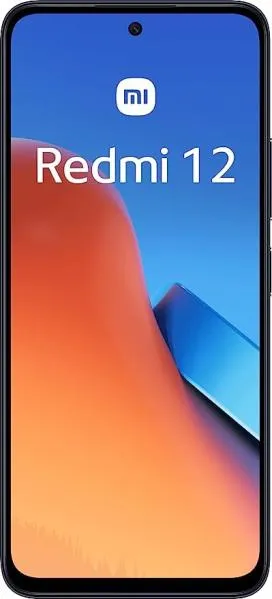
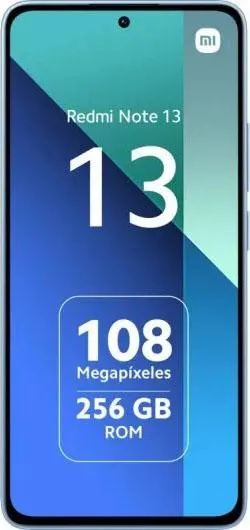
| Feature | Xiaomi Redmi 12 | Xiaomi Redmi Note 13 4G | Practical Impact |
|---|---|---|---|
| Design | |||
| Dimensions (mm) | 168.6 x 76.3 x 8.2 | 162.3 x 75.6 x 8.0 | Redmi Note 13 4G is slightly shorter, narrower, and lighter, making it potentially more pocketable. |
| Weight (g) | 198.5 | 188.5 | Noticeable difference in hand, Redmi Note 13 4G feels less bulky. |
| Fingerprint Sensor | Side-mounted | Under-display | Preference-based, under-display often perceived as more modern. |
| Display | |||
| Display Type | IPS LCD | AMOLED | AMOLED offers deeper blacks, more vibrant colors, and better power efficiency in dark mode. |
| Display Size (inches) | 6.79 | 6.67 | Negligible difference in size. |
| Refresh Rate (Hz) | 90 | 120 | 120Hz provides smoother scrolling and animations. |
| Peak Brightness (nits) | 550 | 1800 | Redmi Note 13 4G significantly brighter, improving outdoor visibility. |
| Performance | |||
| Chipset | Mediatek Helio G88 (12nm) | Qualcomm Snapdragon 685 (6nm) | Snapdragon 685 generally more efficient due to smaller process node. Performance differences may vary based on specific tasks. |
| CPU | Octa-core (2x2.0 GHz A75 & 6x1.8 GHz A55) | Octa-core (4x2.8 GHz A73 & 4x1.9 GHz A53) | Snapdragon 685 likely offers better performance due to faster core speeds and architecture. |
| GPU | Mali-G52 MC2 | Adreno 610 | Adreno 610 generally considered more powerful for gaming. |
| RAM (GB) | 4/8 | 6/8 | More RAM options in Note 13 4G, 8GB ensures smoother multitasking. |
| OS Updates | Up to Android 14 | Up to Android 16 | Note 13 4G will receive longer software support and security updates. |
| Camera | |||
| Main Camera (MP) | 50 | 108 | Higher megapixel count on Note 13 4G potentially captures more detail but doesn't guarantee better image quality. Sensor size and processing are crucial. |
| Front Camera (MP) | 8 | 16 | Higher resolution selfie camera on Note 13 4G. |
| Video Recording | 1080p@30fps | 1080p@30fps | Both limited to 1080p video recording. |
| Battery | |||
| Capacity (mAh) | 5000 | 5000 | Similar battery capacity, but actual battery life depends on usage and efficiency of components. AMOLED display and more efficient chipset in the Note 13 4G could contribute to longer battery life. |
2. Key Differences Analysis
Redmi Note 13 4G Advantages:
- Superior Display: AMOLED with 120Hz refresh rate and higher peak brightness provides a significantly better viewing experience.
- More Powerful Performance: Snapdragon 685 and Adreno 610 offer better performance and efficiency.
- Longer Software Support: Guaranteed updates up to Android 16.
- Higher Resolution Cameras: 108MP main and 16MP selfie cameras.
Redmi 12 Advantages:
- Potentially Lower Price: Depending on configuration and market, it could be more affordable.
3. User Profiles & Recommendations
Redmi Note 13 4G: Users who prioritize display quality, performance, gaming, and longer software support. Suitable for content consumption, photography enthusiasts (considering the higher resolution sensor), and moderate gaming.
Redmi 12: Budget-conscious users who prioritize basic functionality and affordability over premium features. Suitable for everyday tasks like calling, messaging, and light web browsing.
4. Decision Framework
Key Questions for Buyers:
- What is your budget? The Redmi 12 might be a better choice for tight budgets.
- How important is display quality and performance? Prioritize the Redmi Note 13 4G if these are crucial.
- How long do you plan to keep your phone? The Redmi Note 13 4G's longer software support is advantageous for long-term use.
My Choice: Xiaomi Redmi Note 13 4G
While I acknowledge the potential price difference, the Xiaomi Redmi Note 13 4G offers significant advantages in crucial areas like display, performance, and software support. The AMOLED display with 120Hz is a major upgrade over the Redmi 12's LCD, providing a vastly superior visual experience. The Snapdragon 685 offers better performance and efficiency, promising a smoother user experience. Finally, the longer software update commitment ensures the device remains secure and up-to-date for a longer period. The slightly higher price is a worthwhile investment for the noticeable improvements in daily use.
