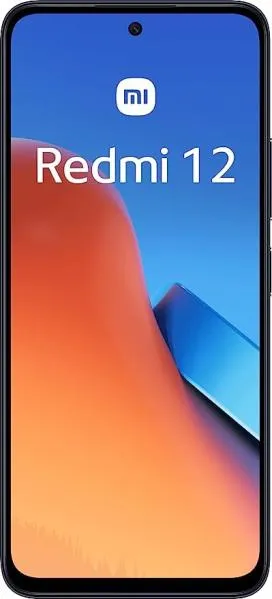
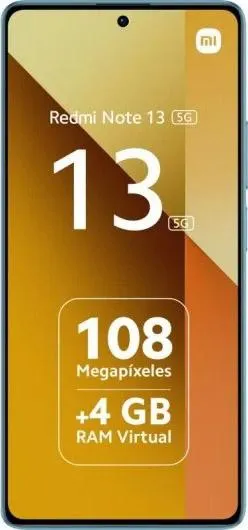
1. Specifications Comparison
| Feature | Xiaomi Redmi 12 | Xiaomi Redmi Note 13 | Practical Impact |
|---|---|---|---|
| Design | |||
| Dimensions (mm) | 168.6 x 76.3 x 8.2 | 161.1 x 75 x 7.6 | Redmi Note 13 is slightly smaller and thinner, potentially improving one-handed usability. |
| Weight (g) | 198.5 | 174.5 | Redmi Note 13 is noticeably lighter, reducing hand fatigue during extended use. |
| Display | |||
| Display Type | IPS LCD | AMOLED | AMOLED offers deeper blacks, higher contrast, and potentially better power efficiency. Redmi 12's IPS LCD may offer better color accuracy in some cases. |
| Refresh Rate (Hz) | 90 | 120 | Redmi Note 13's 120Hz refresh rate provides smoother scrolling and animations, enhancing the overall feel of responsiveness. |
| Peak Brightness (nits) | 550 | 1000 (stated) | Redmi Note 13 claims significantly higher peak brightness, improving outdoor visibility. Real-world testing is needed to verify this claim. |
| Color Depth | Not specified | 1B | Redmi Note 13 supports a wider color gamut, resulting in more vibrant and accurate colors. |
| Performance | |||
| Chipset | Mediatek Helio G88 (12nm) | Mediatek Dimensity 6080 (6nm) | Dimensity 6080, built on a smaller process node, should offer significantly better performance and power efficiency than the Helio G88. |
| CPU | Octa-core (2x2.0 GHz Cortex-A75 & 6x1.8 GHz Cortex-A55) | Octa-core (2x2.4 GHz Cortex-A76 & 6x2.0 GHz Cortex-A55) | Redmi Note 13 has faster and more modern CPU cores, leading to improved performance in demanding tasks and multitasking. |
| GPU | Mali-G52 MC2 | Mali-G57 MC2 | Redmi Note 13's GPU should provide better gaming performance and smoother graphics rendering. |
| RAM (GB) | Data varies - 4GB in hardware details, 8GB in phone versions | Data varies - 8GB in hardware details, varies in phone versions | RAM amount impacts multitasking and app loading speeds. The conflicting information makes direct comparison difficult without clarifying which version is being compared. |
| Camera | |||
| Main Camera (MP) | 50 | 108 | Redmi Note 13's higher resolution main camera may offer more detail in photos, particularly in good lighting conditions. Real-world image quality depends on many factors beyond resolution. |
| Sensor Size | 1/2.76" | 1/1.67" | Redmi Note 13 has a significantly larger sensor, potentially capturing more light and producing better low-light photos. |
| Battery | |||
| Capacity (mAh) | 5000 | 5000 | Both phones have the same battery capacity. Real-world battery life depends on usage patterns and power efficiency of the components. |
2. Key Differences Analysis
Redmi Note 13 Advantages:
- Superior Performance: The Dimensity 6080 chipset and improved CPU/GPU provide a significant performance advantage for demanding tasks, multitasking, and gaming.
- Better Display: AMOLED technology with 120Hz refresh rate and higher claimed peak brightness offers a more vibrant, responsive, and enjoyable viewing experience.
- More Capable Camera: The 108MP main camera with a larger sensor has the potential to capture more detailed and better low-light photos.
- More Future Proof OS: Software support up to Android 16 vs. Android 14.
Redmi 12 Advantages:
- Potentially Lower Price: Listed as "medium price" compared to Redmi Note 13's "low price" - however provided pricing data shows significant overlap and contradicts this. Actual retail pricing should be compared.
3. User Profiles & Recommendations
Redmi Note 13: Users who prioritize performance, a smooth and vibrant display, and a capable camera. Suitable for gaming, media consumption, and mobile photography enthusiasts.
Redmi 12: Budget-conscious users who prioritize basic functionality and long battery life over top-tier performance or display quality. Suitable for everyday tasks like calling, texting, browsing, and light media consumption.
4. Decision Framework
Key Questions for Buyers:
- What is your budget? While listed price ranges are inconsistent with provided pricing data, the Redmi 12 may be slightly cheaper depending on the specific configuration and retailer.
- What is your primary use case? Gamers and heavy media consumers will appreciate the Redmi Note 13's superior performance and display.
- How important is camera quality? The Redmi Note 13 offers a more capable camera system, especially for low-light photography.
Scenario-Based Recommendations:
- Limited Budget, Basic Use: Redmi 12.
- Balanced Performance and Price: Redmi Note 13.
- Gaming and Media Consumption: Redmi Note 13.
My Choice: Redmi Note 13
Reasoning: The Redmi Note 13 offers significant advantages in performance, display, and camera capabilities due to its more modern and powerful hardware. The 120Hz AMOLED display and Dimensity 6080 chipset provide a noticeably better user experience for most tasks. While pricing data is inconsistent with stated price range categories, even at a slightly higher price, the Redmi Note 13 represents a better value proposition for its overall capabilities and longer software support lifespan. The improved camera hardware is also a significant factor, promising better image quality.
