1. Specifications Comparison
| Feature | Xiaomi Redmi 12 | Xiaomi Redmi A3x | Practical Impact |
|---|---|---|---|
| Design | |||
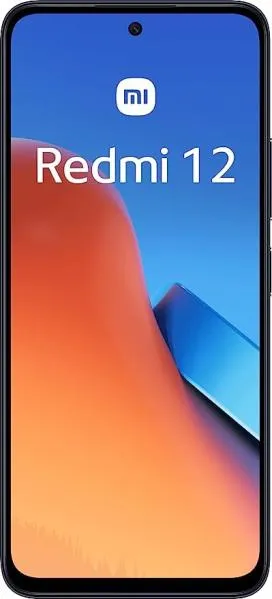
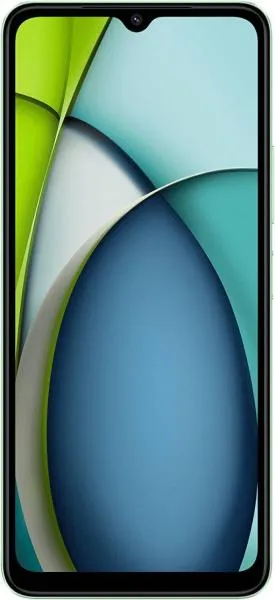
| Dimensions (mm) | 168.6 x 76.3 x 8.2 | 168.4 x 76.3 x 8.3 | Virtually identical size |
| Weight (g) | 198.5 | 193 | Negligible weight difference |
| Build Materials | Not specified | Not specified | Cannot compare build quality |
| Display | |||
| Size (inches) | 6.79 | 6.71 | Redmi 12 slightly larger |
| Resolution (px) | 1080 x 2460 | 720 x 1650 | Redmi 12 significantly sharper; better for media consumption |
| PPI | 396 | 268 | Noticeably sharper text and images on Redmi 12 |
| Refresh Rate (Hz) | 90 | 90 | Both offer smooth scrolling and animations |
| Display Type | IPS LCD | IPS LCD | Similar color accuracy and viewing angles |
| Performance | |||
| Chipset | Mediatek Helio G88 (12nm) | Unisoc T603 (22nm) | Redmi 12's chipset is likely more power efficient and potentially faster |
| CPU | Octa-core (2x2.0 GHz Cortex-A75 & 6x1.8 GHz Cortex-A55) | Octa-core 1.8 GHz | Redmi 12 has faster and more powerful CPU cores, resulting in better performance for demanding tasks |
| GPU | Mali-G52 MC2 | Mali-G57 MP1 | Redmi 12's GPU should offer better gaming performance, though specific benchmarks are needed for a definitive comparison. |
| RAM (GB) | 4/8 | 3/4 | Redmi 12 offers more RAM options, improving multitasking and overall responsiveness, especially the 8GB variant |
| Camera | |||
| Rear Camera | 50MP main, 8MP ultrawide, 2MP macro | 8MP main, 0.1MP (likely a depth sensor) | Redmi 12 offers significantly better camera hardware, especially for main and ultrawide photography |
| Front Camera | 8MP | 5MP | Redmi 12 likely produces better selfies |
| Video Recording | 1080p@30fps | 1080p@30fps | Similar video recording capabilities |
| Battery | |||
| Capacity (mAh) | 5000 | 5000 | Same battery capacity, expected similar battery life, though Redmi 12's more efficient chipset might offer a slight advantage |
| Other | |||
| NFC | Yes | No | Redmi 12 allows for contactless payments and data transfer |
| OS | Android 13 | Android 14 | Redmi A3x ships with a newer Android version out-of-the-box but Redmi 12 is expected to receive an update to Android 14 |
| Price Range | Medium | Low | Redmi A3x is significantly cheaper |
2. Key Differences Analysis
Redmi 12 Advantages:
- Superior Display: Significantly higher resolution and PPI, resulting in a much sharper and more enjoyable viewing experience.
- Better Performance: More powerful CPU and GPU, alongside more RAM, leading to smoother multitasking, faster app loading, and better gaming performance.
- Enhanced Camera System: Higher resolution sensors and an ultrawide lens provide greater versatility and image quality.
- NFC Functionality: Enables contactless payments and other NFC-based features.
Redmi A3x Advantages:
- Lower Price: Significantly more affordable.
- Newer Android Version: Ships with Android 14 out of the box.
3. User Profiles & Recommendations
Redmi 12: Users who prioritize display quality, performance, camera capabilities, and NFC functionality, and are willing to pay a bit more. Ideal for media consumption, gaming, and mobile photography.
Redmi A3x: Budget-conscious users who prioritize affordability over high-end features. Suitable for basic tasks like calling, texting, web browsing, and social media. Not recommended for demanding tasks or photography enthusiasts.
4. Decision Framework
Key Questions:
- What is your budget? The Redmi A3x is the clear choice for budget-constrained buyers.
- What are your primary smartphone uses? The Redmi 12 is better for media, gaming, and photography. The Redmi A3x suffices for basic communication and light web browsing.
- How important are features like NFC and a high-quality display? If these are essential, the Redmi 12 is the better option.
Scenario-Based Recommendations:
- Student on a tight budget: Redmi A3x
- Casual user prioritizing affordability: Redmi A3x
- Media enthusiast: Redmi 12
- Mobile gamer: Redmi 12
- Photography enthusiast: Redmi 12
My Choice: Xiaomi Redmi 12
While the Redmi A3x offers an attractive price point, the Redmi 12's superior display, performance, camera, and NFC make it a much more compelling device for a broader range of users. The difference in price is justifiable considering the significant improvements in key areas that directly impact the daily user experience. The sharper display alone would drastically improve media consumption, and the performance boost ensures a smoother experience over the long term. Additionally, having NFC for contactless payments is a significant convenience in today's world. The slightly older Android version is not a dealbreaker, as the Redmi 12 is likely to receive updates to future Android versions.
