1. Specifications Comparison
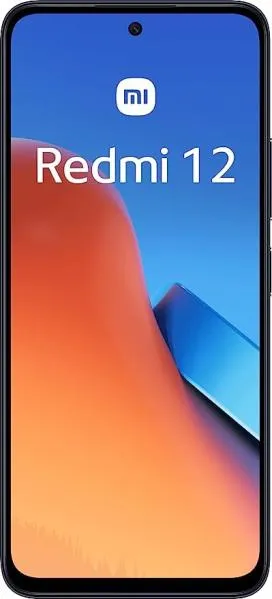
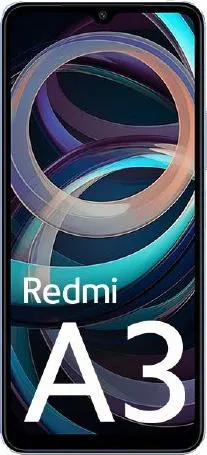
| Feature | Xiaomi Redmi 12 | Xiaomi Redmi A3 | Practical Impact |
|---|---|---|---|
| Design | |||
| Dimensions (mm) | 168.6 x 76.3 x 8.2 | 168.3 x 76.3 x 8.3 | Virtually identical in size and thickness. |
| Weight (g) | 198.5 | 193 | Negligible weight difference in hand. |
| Build Materials | Not specified | Not specified | Cannot compare build quality and feel. |
| Display | |||
| Size (inches) | 6.79 | 6.71 | Redmi 12 slightly larger, minimal difference in real-world use. |
| Resolution | 1080 x 2460 | 720 x 1650 | Redmi 12 significantly sharper (396 ppi vs 268 ppi), resulting in clearer text and images. |
| Refresh Rate | 90Hz | 90Hz | Both offer smooth scrolling and animations. |
| Display Type | IPS LCD | IPS LCD | Similar color accuracy and viewing angles expected. Redmi 12 boasts a higher peak brightness (550 nits vs 500 nits), making it more visible outdoors. |
| Performance | |||
| Chipset | Mediatek Helio G88 (12nm) | Mediatek Helio G36 (12nm) | Redmi 12's G88 offers noticeably better CPU performance, especially in demanding tasks and gaming, due to its faster Cortex-A75 cores. |
| CPU | Octa-core (2x2.0 GHz Cortex-A75 & 6x1.8 GHz Cortex-A55) | Octa-core (4x2.2 GHz Cortex-A53 & 4x1.6 GHz Cortex-A53) | Redmi 12's CPU architecture is more powerful. |
| GPU | Mali-G52 MC2 | PowerVR GE8320 | Redmi 12's GPU is significantly more powerful, enabling smoother gaming and faster graphics rendering. |
| RAM | 4GB/8GB | 3GB/4GB/6GB | Redmi 12 offers higher RAM configurations, beneficial for multitasking and demanding applications. |
| Camera | |||
| Rear Camera | 50MP Main + 8MP Wide + 2MP Macro | 8MP Main + 0.3MP (Unspecified) | Redmi 12 offers a much higher resolution main sensor and a dedicated wide-angle lens, resulting in significantly better image quality and versatility. |
| Front Camera | 8MP | 5MP | Redmi 12 likely to produce better selfies. |
| Video Recording | 1080p@30fps | 1080p@30fps | Similar video recording capabilities. |
| Battery | |||
| Capacity | 5000 mAh | 5000 mAh | Similar battery life expected, though real-world usage will vary depending on usage patterns and software optimization. |
2. Key Differences Analysis
Redmi 12 Advantages:
- Significantly better performance: The Helio G88 and Mali-G52 MC2 offer a smoother user experience, especially in gaming and demanding tasks.
- Higher resolution display: Sharper visuals and clearer text.
- More versatile camera system: Higher resolution main sensor, wide-angle lens, and likely better image quality overall.
Redmi A3 Advantages:
- Lower price: More budget-friendly option.
- Slightly lighter: Negligible difference in real-world use.
Trade-offs:
- Redmi A3 sacrifices performance and camera quality for affordability.
3. User Profiles & Recommendations
Redmi 12: Users who prioritize performance, a good display, and a versatile camera. Suitable for gaming, media consumption, and everyday tasks.
Redmi A3: Users on a tight budget who primarily use their phone for basic tasks like calling, texting, and browsing. Not recommended for demanding applications or gaming.
4. Decision Framework
Key Questions:
- What is your budget? The Redmi A3 is significantly cheaper.
- What do you primarily use your phone for? The Redmi 12 is better for demanding tasks and gaming, while the Redmi A3 is sufficient for basic use.
- How important is camera quality to you? The Redmi 12 offers a vastly superior camera system.
My Choice: Xiaomi Redmi 12
While the Redmi A3 is more affordable, the Redmi 12 offers significantly better value due to its superior performance, display, and camera. The difference in price is justified by the noticeable improvements in these key areas. For a slightly higher investment, the Redmi 12 provides a much more enjoyable and versatile user experience. The sharper display alone makes a big difference in daily use, and the performance gap ensures smoother operation for longer. Even for budget-conscious users, I believe the Redmi 12 is worth the extra cost in the long run.
