1. Specifications Comparison
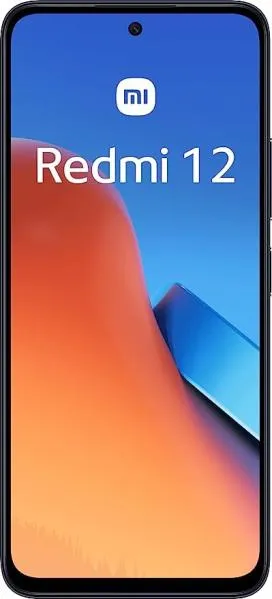
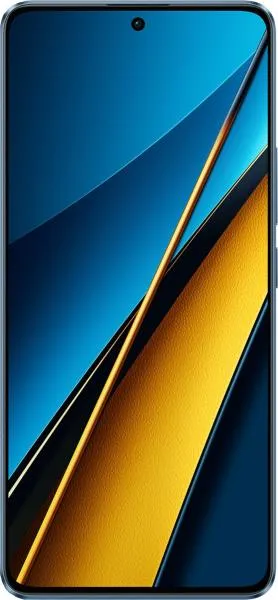
| Feature | Xiaomi Redmi 12 | Xiaomi Poco X6 | Practical Impact |
|---|---|---|---|
| Design | |||
| Dimensions (mm) | 168.6 x 76.3 x 8.2 | 161.2 x 74.3 x 8.0 | Poco X6 is slightly smaller and more compact, potentially easier to handle. |
| Weight (g) | 198.5 | 181 | Poco X6 is noticeably lighter, improving one-handed use and reducing pocket fatigue. |
| Build Material | Unspecified | Unspecified | Material differences could impact durability and premium feel; information is lacking. |
| Display | |||
| Display Type | IPS LCD | AMOLED | AMOLED offers deeper blacks, higher contrast, and potentially better power efficiency. |
| Display Size (inches) | 6.79 | 6.67 | Negligible size difference; both offer large screen experiences. |
| Resolution | 1080 x 2460 | 1220 x 2712 | Poco X6 has a sharper display with higher pixel density, resulting in clearer text and images. |
| Refresh Rate (Hz) | 90 | 120 | Poco X6's 120Hz refresh rate provides smoother animations and scrolling compared to Redmi 12's 90Hz. |
| Peak Brightness (nits) | 550 | 1800 | Poco X6's significantly higher peak brightness ensures better visibility in direct sunlight. |
| HDR | No (Data Missing for HDR10+) | Dolby Vision | Poco X6 supports Dolby Vision, offering superior dynamic range and color accuracy in compatible content. |
| Performance | |||
| Chipset | Mediatek Helio G88 (12nm) | Qualcomm Snapdragon 7s Gen 2 (4nm) | Snapdragon 7s Gen 2 is built on a smaller process node, offering significantly better performance and power efficiency. |
| CPU | Octa-core (2x2.0 GHz Cortex-A75 & 6x1.8 GHz Cortex-A55) | Octa-core (4x2.4 GHz Cortex-A78 & 4x1.95 GHz Cortex-A55) | Poco X6 boasts more powerful CPU cores, resulting in faster app loading, smoother multitasking, and better gaming performance. |
| GPU | Mali-G52 MC2 | Adreno 710 | Adreno 710 offers a noticeable improvement in graphics performance for gaming and demanding tasks. |
| RAM | 4/8 GB | 12 GB | Poco X6's 12GB RAM enables superior multitasking, allowing more apps to run in the background without performance slowdown. |
| Camera | |||
| Main Camera (MP) | 50 | 64 | While megapixels aren't everything, Poco X6's higher resolution sensor potentially captures more detail. |
| Video Recording | 1080p@30fps | 4K@30fps | Poco X6 can record video at a much higher resolution, resulting in significantly more detailed footage. |
| Optical Image Stabilization | No | Yes | Poco X6's OIS significantly improves video stability and low-light photography. |
| Battery | |||
| Capacity (mAh) | 5000 | 5100 | Negligible difference in battery capacity; real-world battery life depends on various factors including software optimization and display technology. |
2. Key Differences Analysis
Xiaomi Redmi 12 Advantages:
- Potentially Lower Price: Redmi phones generally target a more budget-conscious market.
Xiaomi Poco X6 Advantages:
- Significantly Better Performance: The Snapdragon 7s Gen 2 chipset, along with 12GB RAM, provides a substantial performance advantage.
- Superior Display: AMOLED technology, higher resolution, 120Hz refresh rate, and Dolby Vision support deliver a far better visual experience.
- Enhanced Camera Capabilities: Higher resolution main sensor, 4K video recording, and Optical Image Stabilization enhance photography and videography.
- More Modern Connectivity: 5G connectivity, Bluetooth 5.2, and Wi-Fi MiMO offer faster speeds and better reliability.
Trade-offs:
- The Poco X6's superior features come at a higher price.
3. User Profiles & Recommendations
Redmi 12: Budget-conscious users who prioritize basic functionality over high-end features. Suitable for everyday tasks like calling, texting, browsing, and social media.
Poco X6: Users who demand performance, a premium display, and excellent camera capabilities. Ideal for mobile gaming, content consumption, and photography enthusiasts.
4. Decision Framework
Key Questions:
- What is your budget?
- What are your primary smartphone usage patterns?
- Which features are most important to you (performance, display, camera, battery life)?
Scenario-Based Recommendations:
- Tight Budget, Basic Use: Redmi 12
- Balanced Budget, Performance and Media Consumption: Poco X6
- Gaming and Photography Enthusiast: Poco X6
My Choice: Xiaomi Poco X6
While the Redmi 12 offers a budget-friendly option, the Poco X6 provides a significantly better overall user experience due to its superior performance, display, and camera. The Snapdragon 7s Gen 2, AMOLED display with 120Hz, and OIS are compelling features that justify the price difference for me. The smoother performance, vibrant visuals, and improved camera capabilities would greatly enhance my daily usage, particularly for tasks like gaming, media consumption, and photography. While I acknowledge the higher price, the long-term benefits of a more powerful and feature-rich device make the Poco X6 the clear winner for my needs.
