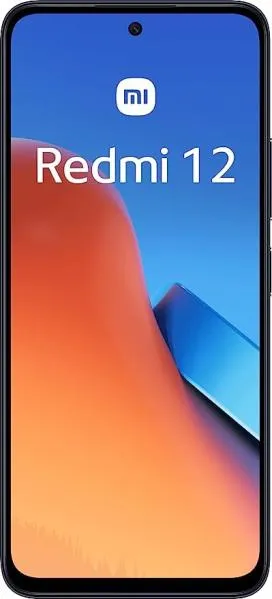
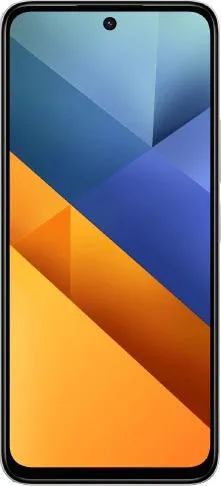
1. Specifications Comparison
| Feature | Xiaomi Redmi 12 | Xiaomi Poco M6 4G | Practical Impact |
|---|---|---|---|
| Design | |||
| Dimensions (mm) | 168.6 x 76.3 x 8.2 | 168.6 x 76.3 x 8.3 | Virtually identical dimensions; negligible real-world difference in size and feel. |
| Weight (g) | 198.5 | 205 | Poco M6 is slightly heavier, but the difference (6.5g) is unlikely to be noticeable in daily use. |
| Display | |||
| Size (inches) | 6.79 | 6.79 | Identical screen size. |
| Resolution (px) | 1080 x 2460 | 1080 x 2460 | Identical resolution, resulting in similar sharpness. |
| Type | IPS LCD | IPS LCD | Both use IPS LCD technology, expecting similar color accuracy and viewing angles. |
| Refresh Rate (Hz) | 90 | 90 | Both offer smooth scrolling and animations thanks to the 90Hz refresh rate. |
| Performance | |||
| Chipset | Helio G88 | Helio G91 Ultra | Helio G91 is generally considered more powerful, potentially leading to smoother multitasking and better gaming performance. |
| CPU | 2x2.0 GHz A75, 6x1.8 GHz A55 | 2x2.0 GHz A75, 6x1.8 GHz A55 | While core configuration is similar, the G91's architecture may offer slight performance gains. |
| GPU | Mali-G52 MC2 | Mali-G52 MC2 | Similar GPU, but potential performance differences could arise due to different clock speeds (information missing for Redmi 12). |
| RAM (GB) | 4/8 | 6/8 | Poco M6 offers a 6GB RAM option, potentially improving multitasking performance over the Redmi 12's 4GB variant. |
| Camera | |||
| Main Camera (MP) | 50 | 108 | Poco M6 boasts a significantly higher resolution main camera, likely capturing more detail. |
| Front Camera (MP) | 8 | 13 | Poco M6 has a higher resolution front camera, likely resulting in better selfie quality. |
| Battery | |||
| Capacity (mAh) | 5000 | 5030 | Negligible difference in battery capacity; real-world battery life will depend more on software and usage patterns. |
2. Key Differences Analysis
Redmi 12 Advantages:
- Potentially Lower Price: Belongs to a "medium price" range compared to Poco M6's "low price," suggesting potential cost savings.
Poco M6 4G Advantages:
- More Powerful Chipset: The Helio G91 likely offers better overall performance, particularly in gaming and demanding tasks.
- Higher Resolution Main Camera: 108MP sensor potentially captures significantly more detail than the Redmi 12's 50MP sensor.
- Higher Resolution Selfie Camera: 13MP vs. 8MP, suggesting improved selfie quality.
- More RAM in Base Model: 6GB RAM in the base model compared to the Redmi 12's 4GB base model should improve multitasking.
- Newer Bluetooth Version: Bluetooth 5.4 offers minor improvements in connectivity and power efficiency over Bluetooth 5.3.
Trade-offs:
- Price vs. Performance: Redmi 12 might offer better value for budget-conscious users who prioritize price over peak performance.
- Camera Resolution vs. Image Processing: While the Poco M6 has a higher resolution sensor, final image quality also depends on image processing, which is not detailed in the specs.
3. User Profiles & Recommendations
Redmi 12: Budget-conscious users who prioritize basic smartphone functionality (calling, texting, social media) and light gaming.
Poco M6 4G: Users seeking better performance for gaming and demanding applications, valuing a higher resolution main camera for photography, and needing smooth multitasking.
4. Decision Framework
Key Questions for Buyers:
- What is your budget? The Redmi 12 is likely cheaper.
- What is your primary use case? (e.g., gaming, photography, social media)
- How important is performance and camera quality? The Poco M6 excels in these areas.
My Choice: Xiaomi Poco M6 4G
While specific pricing information isn't available, the Poco M6 4G appears to be the stronger overall device due to its more powerful processor, higher resolution cameras (both front and back), and larger base RAM. These advantages, especially in performance and photography, would likely provide a more satisfying user experience for a wider range of tasks. Even if the Poco M6 4G ends up being slightly more expensive, the performance and camera upgrades likely justify the extra cost for most users. The Redmi 12 would be a suitable option only for extremely budget-conscious buyers who are willing to sacrifice performance and camera quality.
