1. Specifications Comparison
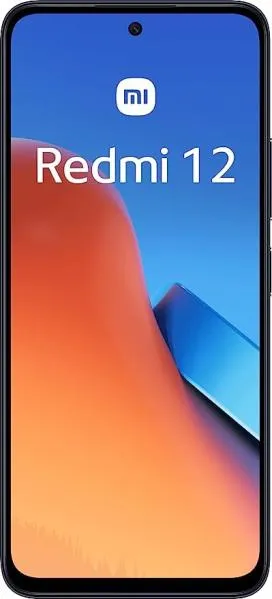
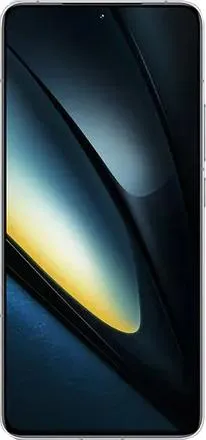
| Feature | Xiaomi Redmi 12 | Xiaomi Poco F6 Pro | Practical Impact |
|---|---|---|---|
| Design | |||
| Dimensions (mm) | 168.6 x 76.3 x 8.2 | 160.9 x 75 x 8.2 | Poco F6 Pro is slightly shorter and narrower, potentially improving one-handed usability. |
| Weight (g) | 198.5 | 209 | Redmi 12 is noticeably lighter, reducing hand fatigue during extended use. |
| Build | Unspecified | Unspecified | Build material impacts durability and premium feel; information is missing for both. |
| Display | |||
| Display Type | IPS LCD | AMOLED | AMOLED offers deeper blacks, higher contrast, and potentially better power efficiency. |
| Display Size (inches) | 6.79 | 6.67 | Negligible size difference; both offer large screens suitable for media consumption. |
| Resolution | 1080 x 2460 | 1440 x 3200 | Poco F6 Pro has a significantly sharper display, resulting in crisper text and images. |
| Refresh Rate (Hz) | 90 | 120 | Poco F6 Pro's higher refresh rate provides smoother animations and scrolling. |
| Peak Brightness (nits) | 550 | 4000 | Poco F6 Pro is vastly brighter, ensuring better visibility outdoors and in bright conditions. |
| HDR | No | HDR10+, Dolby Vision | Poco F6 Pro supports HDR content, providing a wider dynamic range and more vibrant colors in compatible media. |
| Performance | |||
| Chipset | Mediatek Helio G88 (12nm) | Qualcomm Snapdragon 8 Gen 2 (4nm) | Snapdragon 8 Gen 2 offers significantly faster CPU and GPU performance, enabling smoother multitasking, gaming, and demanding applications. |
| CPU | Octa-core (2x2.0 GHz Cortex-A75 & 6x1.8 GHz Cortex-A55) | Octa-core (1x3.2 GHz Cortex-X3 & 2x2.8 GHz Cortex-A715 & 2x2.8 GHz Cortex-A710 & 3x2.0 GHz Cortex-A510) | The Poco F6 Pro's CPU architecture is much more powerful and efficient. |
| GPU | Mali-G52 MC2 | Adreno 740 | Adreno 740 offers superior graphics performance for demanding games and applications. |
| RAM | 4GB/8GB | 12GB/16GB | Poco F6 Pro has substantially more RAM, enabling better multitasking and preventing app closures in the background. |
| Storage | 128GB/256GB | 256GB/512GB/1TB | Poco F6 Pro offers significantly more storage options for users with large media libraries. |
| Camera | |||
| Main Camera | 50MP | 50MP | While both have the same resolution, sensor size and other factors affect image quality; details are insufficient for in-depth comparison. |
| Video Recording | 1080p@30fps | Up to 8K@24fps | Poco F6 Pro offers significantly higher resolution video recording capabilities and advanced features like optical image stabilization. |
| Battery | |||
| Capacity (mAh) | 5000 | 5000 | Similar battery capacity; real-world battery life depends on usage and optimization. |
2. Key Differences Analysis
Xiaomi Redmi 12 Advantages:
- Lighter Weight: More comfortable for extended use.
- Lower Price: Offers a budget-friendly option.
Xiaomi Poco F6 Pro Advantages:
- Significantly Faster Performance: Superior CPU and GPU for demanding tasks and gaming.
- Sharper and Brighter Display: Better visual experience for media consumption.
- Higher Refresh Rate: Smoother animations and scrolling.
- More RAM and Storage: Enhanced multitasking and ample space for files.
- Superior Camera Features: Higher resolution video recording and potential for better image quality (pending detailed sensor comparison).
- More advanced connectivity: Wifi 7 and broader 5G band support
3. User Profiles & Recommendations
Xiaomi Redmi 12: Budget-conscious users who prioritize basic functionality: calling, texting, web browsing, and casual social media.
Xiaomi Poco F6 Pro: Power users, gamers, and content creators who demand top-tier performance, a premium display, and advanced camera capabilities.
4. Decision Framework
Key Questions:
- What is your budget? The Redmi 12 is significantly cheaper.
- What are your primary use cases? Gaming, content creation, or basic tasks?
- How important is display quality and performance? The Poco F6 Pro excels in these areas.
Scenario-Based Recommendations:
- Limited Budget, Basic Use: Redmi 12
- Demanding Tasks, Premium Experience: Poco F6 Pro
My Choice: Xiaomi Poco F6 Pro
While the Redmi 12 offers excellent value for its price, the Poco F6 Pro is the clear winner for me. The significantly improved performance, stunning display, ample RAM and storage, and advanced camera features justify the higher price. As someone who values a smooth and responsive user experience, the Poco F6 Pro's powerful hardware and high refresh rate display are compelling. The future-proofing offered by Wifi 7 and extensive 5G band support also contributes to its long-term value. While I acknowledge the Redmi 12's advantage in weight and price, the Poco F6 Pro's overall package is significantly more attractive for my needs.
