1. Specifications Comparison
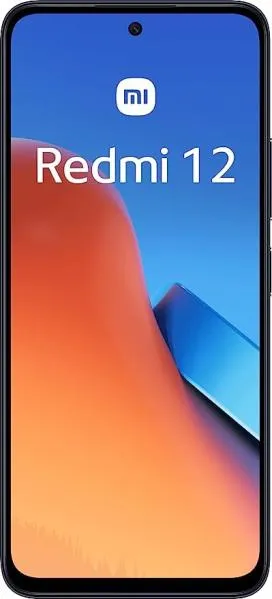
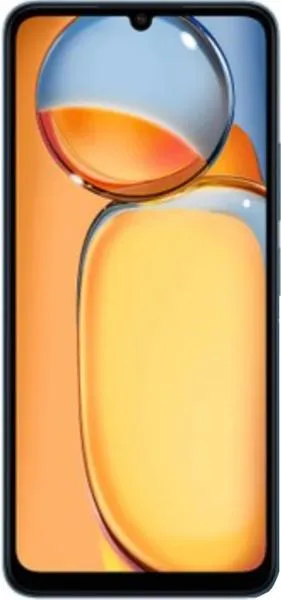
| Feature | Xiaomi Redmi 12 | Xiaomi Poco C65 | Practical Impact |
|---|---|---|---|
| Design | |||
| Dimensions (mm) | 168.6 x 76.3 x 8.2 | 168 x 78 x 8.1 | Virtually identical in size and feel. |
| Weight (g) | 198.5 | 192 | Negligible weight difference in hand. |
| Build Material | Not specified | Not specified | Cannot compare build quality and durability. |
| Display | |||
| Size (inches) | 6.79 | 6.74 | Negligible size difference. |
| Resolution (px) | 1080 x 2460 | 720 x 1600 | Redmi 12 has a significantly sharper and more detailed display, crucial for media consumption and overall visual clarity. |
| PPI | 396 | 260 | Redmi 12's higher pixel density results in crisper text and images. Poco C65's lower PPI might show pixelation. |
| Refresh Rate (Hz) | 90 | 90 | Both offer smooth scrolling and animations. |
| Display Type | IPS LCD | IPS LCD | Similar color accuracy and viewing angles, though Redmi 12 boasts higher peak brightness (550 nits vs 450 nits typical). This means better visibility outdoors. |
| Performance | |||
| Chipset | Mediatek Helio G88 | Mediatek Helio G85 | G88 has a slightly higher clock speed, potentially offering minor performance benefits in demanding tasks but likely negligible in real-world usage. |
| CPU | Octa-core (2x2.0 GHz Cortex-A75 & 6x1.8 GHz Cortex-A55) | Octa-core (2x2.0 GHz Cortex-A75 & 6x1.8 GHz Cortex-A55) | Identical CPU core configuration. |
| GPU | Mali-G52 MC2 | Mali-G52 MC2 | Similar graphics performance. |
| RAM | 4/8GB Available | 6/8GB Available | More RAM options available on both, with higher configurations improving multitasking. |
| Camera | |||
| Main Camera (MP) | 50 | 50 | Both have the same main sensor, likely resulting in similar image quality in good lighting. |
| Other Cameras | 8MP Wide Angle, 2MP Macro | 2MP Macro, 2MP Depth Sensor | Redmi 12 offers a potentially more useful ultrawide lens; Poco C65 has a dedicated depth sensor, potentially improving portrait shots. |
| Video Recording | 1080p@30fps | 1080p@30fps | Identical video recording capabilities. |
| Battery | |||
| Capacity (mAh) | 5000 | 5000 | Similar battery life expected. |
2. Key Differences Analysis
Xiaomi Redmi 12 Advantages:
- Superior Display: Significantly higher resolution and PPI translate to a much clearer and sharper visual experience.
- Ultrawide Camera: Offers wider field of view for landscape and group photos.
Xiaomi Poco C65 Advantages:
- Potentially Lower Price: Belongs to a lower price range.
- Higher Base RAM: 6GB in base model compared to Redmi 12's 4GB. Note: Redmi 12 has 8GB options.
Trade-offs:
- Poco C65: Sacrifices display resolution and PPI for a lower price point.
- Redmi 12: Might be slightly more expensive but offers a better visual experience.
3. User Profiles & Recommendations
Xiaomi Redmi 12: Users who prioritize a good display for media consumption, web browsing, and gaming. Suitable for those who appreciate sharper visuals and want an ultrawide camera.
Xiaomi Poco C65: Budget-conscious users who prioritize basic functionality and decent performance for everyday tasks. Acceptable for those who don't heavily consume media on their phone.
4. Decision Framework
Key Questions:
- What is your budget? The Poco C65 is expected to be cheaper.
- How important is display quality to you? The Redmi 12 has a far superior display.
- Do you frequently use your phone for media consumption? Redmi 12's superior display benefits multimedia significantly.
Scenario-Based Recommendations:
- Tight Budget, Basic Use: Poco C65
- Value for Money, Multimedia Focus: Redmi 12
My Choice: Xiaomi Redmi 12
Why: The significantly better display of the Redmi 12 is a crucial factor for me. The sharper visuals and higher resolution enhance the overall user experience, especially for media consumption, web browsing, and even general UI interaction. While the Poco C65 might be cheaper, the compromise on display quality is too significant to ignore. The addition of the ultrawide lens is also a valuable addition for greater photographic versatility. The slight price difference is justifiable for the significant jump in screen quality.
