1. Specifications Comparison
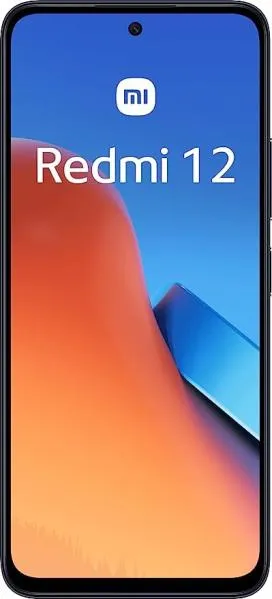
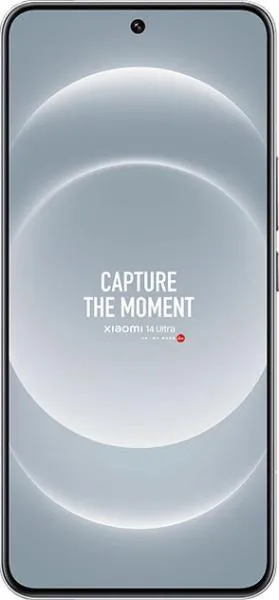
| Feature | Xiaomi Redmi 12 | Xiaomi 14 Ultra | Practical Impact |
|---|---|---|---|
| Design | |||
| Dimensions (mm) | 168.6 x 76.3 x 8.2 | 161.4 x 75.3 x 9.2 | Redmi 12 is taller and slightly wider but thinner. 14 Ultra is noticeably heavier. |
| Weight (g) | 198.5 | 229.5 | Redmi 12 is significantly lighter, more comfortable for extended use. |
| Build | Unspecified | Unspecified | Build quality and materials unknown, limiting comparison. |
| Display | |||
| Display Type | IPS LCD | LTPO AMOLED | 14 Ultra offers superior contrast, deeper blacks, and potentially better power efficiency due to LTPO. |
| Display Size (inches) | 6.79 | 6.73 | Negligible size difference. |
| Resolution | 1080 x 2460 | 1440 x 3200 | 14 Ultra has a much sharper display with higher pixel density (522 vs 396 ppi), resulting in crisper text and images. |
| Refresh Rate (Hz) | 90 | 120 | 14 Ultra provides smoother scrolling and animations. |
| Peak Brightness (nits) | 550 | 3000 | 14 Ultra is significantly brighter, ensuring excellent outdoor visibility. |
| HDR | No | HDR10+, Dolby Vision | 14 Ultra supports HDR content for a wider dynamic range and richer colors in supported media. |
| Performance | |||
| Chipset | Mediatek Helio G88 (12nm) | Snapdragon 8 Gen 3 (4nm) | 14 Ultra boasts a vastly more powerful and efficient processor, leading to significant performance gains in demanding tasks and gaming. |
| CPU | Octa-core (2x2.0 GHz A75 & 6x1.8 GHz A55) | Octa-core (1x3.3 GHz X4 & 7x A720/A520) | 14 Ultra's CPU architecture offers superior performance and efficiency. |
| GPU | Mali-G52 MC2 | Adreno 750 | 14 Ultra's GPU delivers dramatically improved graphics performance for gaming and visually intensive applications. |
| RAM | 4/8 GB | 16GB | 14 Ultra offers significantly more RAM enabling better multitasking and smoother performance with demanding apps. |
| Camera | |||
| Main Camera | 50MP (Samsung S5KJN1) | 50MP (Sony LYT-900, 1-inch sensor) | 14 Ultra's larger sensor size should result in better low-light performance and depth of field. |
| Ultrawide | 8MP | 50MP | Significant resolution difference, 14 Ultra offering much more detailed ultrawide shots. |
| Telephoto | Unspecified | 50MP (3.2x & 5x) | 14 Ultra provides optical zoom capabilities absent in the Redmi 12. |
| Video Recording | 1080p@30fps | Up to 8K@30fps | 14 Ultra offers significantly higher resolution video recording. |
| Battery | |||
| Capacity (mAh) | 5000 | 5000 | Similar battery capacities. However, real-world battery life will depend on software optimization and hardware efficiency. |
| Charging Speed | Unspecified | Unspecified | Charging speed comparison impossible without specific details. |
2. Key Differences Analysis
Xiaomi Redmi 12 Advantages:
- Lighter and more affordable: Easier to handle and significantly cheaper.
- Sufficient for basic tasks: Adequate for everyday use like calling, messaging, and web browsing.
Xiaomi 14 Ultra Advantages:
- Flagship performance: Significantly faster processor, GPU, and more RAM for demanding tasks and gaming.
- Superior display: Brighter, sharper, smoother, and supports HDR content.
- Advanced camera system: Larger sensor, higher resolution ultrawide and telephoto lenses, 8K video recording.
Trade-offs:
- Price: The 14 Ultra is considerably more expensive.
- Size and Weight: The 14 Ultra is heavier and might be less comfortable for one-handed use.
3. User Profiles & Recommendations
Redmi 12: Budget-conscious users who prioritize affordability and basic functionality. Ideal for:
- Calling, texting, and social media browsing.
- Light web browsing and email.
- Casual photography.
14 Ultra: Power users, photographers, and videographers who demand top-tier performance and features. Ideal for:
- Demanding mobile gaming.
- Content creation (photography and videography).
- Multitasking and productivity.
- Consuming HDR content.
4. Decision Framework
Key Questions for Buyers:
- What is your budget? The Redmi 12 is a budget phone, while the 14 Ultra is a premium flagship.
- What are your primary smartphone usage patterns? Basic tasks vs. demanding applications and content creation.
- Do you prioritize camera quality and performance? The 14 Ultra offers a significantly better camera system.
My Choice: Xiaomi 14 Ultra
While the Redmi 12 offers great value for its price, the Xiaomi 14 Ultra is my choice. The significantly improved performance, stunning display, and advanced camera system justify the higher price for my needs. As someone who values a smooth user experience, high-quality media consumption, and mobile photography, the 14 Ultra's superior hardware and features would greatly enhance my daily usage. The leap in processing power, the gorgeous display with HDR capabilities, and the versatile camera system are crucial factors for me. The weight difference is a minor concern compared to the substantial gains in overall usability and capabilities.
