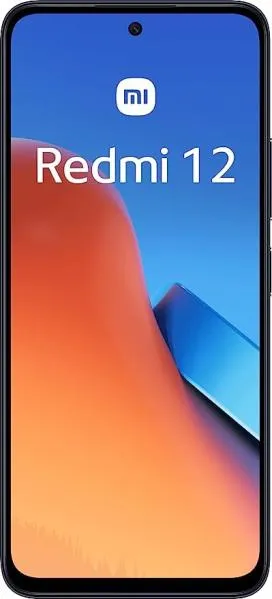
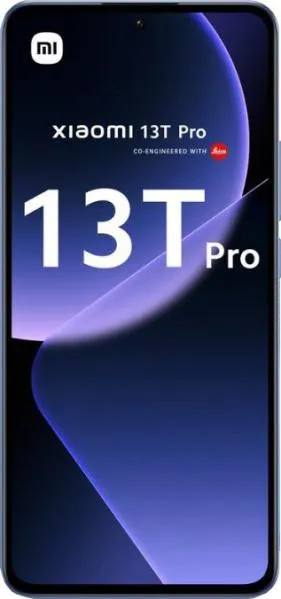
1. Specifications Comparison
| Feature | Xiaomi Redmi 12 | Xiaomi 13T Pro | Practical Impact |
|---|---|---|---|
| Design | |||
| Dimensions (mm) | 168.6 x 76.3 x 8.2 | 162.2 x 75.7 x 8.5 | 13T Pro is slightly shorter and narrower, but marginally thicker. Negligible difference in hand feel. |
| Weight (g) | 198.5 | 200 | Virtually identical weight; no noticeable difference in daily use. |
| Build Material | Not specified | Not specified | Cannot compare build quality and durability without material information. |
| Display | |||
| Display Type | IPS LCD | AMOLED | 13T Pro offers significantly better contrast, deeper blacks, and more vibrant colors. |
| Display Size (inches) | 6.79 | 6.67 | Redmi 12 is slightly larger; difference is minimal in practical use. |
| Resolution | 1080 x 2460 | 1220 x 2712 | 13T Pro has a sharper display with higher pixel density (446 ppi vs 396 ppi), resulting in crisper text and images. |
| Refresh Rate (Hz) | 90 | 144 | 13T Pro offers noticeably smoother scrolling and animations, especially in games and fast-paced content. |
| Peak Brightness (nits) | 550 | 2600 | 13T Pro's vastly superior brightness ensures excellent outdoor visibility and HDR performance. |
| HDR | No | Dolby Vision, HDR10+ | 13T Pro supports HDR content, resulting in a more dynamic and immersive viewing experience. |
| Performance | |||
| Chipset | Mediatek Helio G88 (12nm) | Mediatek Dimensity 9200+ (4nm) | 13T Pro's significantly more powerful and efficient chipset delivers vastly superior performance in demanding tasks and gaming. |
| CPU | Octa-core (2x2.0 GHz Cortex-A75 & 6x1.8 GHz Cortex-A55) | Octa-core (1x3.35 GHz Cortex-X3 & 3x3.0 GHz Cortex-A715 & 4x2.0 GHz Cortex-A510) | 13T Pro's advanced CPU architecture provides significantly faster processing speeds. |
| GPU | Mali-G52 MC2 | Immortalis-G715 MC11 | 13T Pro offers a much more powerful GPU for superior gaming and graphics-intensive tasks. |
| RAM | 4GB/8GB | 12GB/16GB | 13T Pro has considerably more RAM, allowing for smoother multitasking and better performance with demanding applications. |
| Camera | |||
| Main Camera | 50MP | 50MP (Sony IMX707) | While both have 50MP sensors, the 13T Pro uses a larger, higher-quality Sony IMX707 sensor, likely resulting in better low-light performance and dynamic range. |
| Video Recording | 1080p@30fps | 8K@24fps | 13T Pro offers significantly higher video resolution and more advanced features like optical image stabilization. |
| Battery | |||
| Capacity (mAh) | 5000 | 5000 | Identical battery capacity, but actual battery life will depend on usage and the 13T Pro's more efficient processor may provide longer usage times. |
2. Key Differences Analysis
Xiaomi Redmi 12 Advantages:
- Lower Price: Significantly more affordable.
Xiaomi 13T Pro Advantages:
- Significantly Better Performance: The Dimensity 9200+ chipset, coupled with ample RAM, delivers a flagship-level experience.
- Superior Display: The AMOLED display with 144Hz refresh rate and HDR support provides a dramatically better visual experience.
- Enhanced Camera System: Larger, higher quality sensor and 8K video recording capability.
- Faster Charging: While not explicitly stated, higher-end phones typically offer faster charging speeds.
3. User Profiles & Recommendations
Xiaomi Redmi 12: Budget-conscious users prioritizing basic functionality (calling, texting, social media) and light gaming.
Xiaomi 13T Pro: Users seeking a premium smartphone experience with top-tier performance, a stunning display, and advanced camera capabilities. Ideal for demanding tasks, gaming, and content consumption.
4. Decision Framework
Key Questions for Buyers:
- What is your budget? The Redmi 12 is a budget-friendly option, while the 13T Pro is a premium device.
- What are your primary use cases? For basic tasks, the Redmi 12 suffices. For demanding tasks, gaming, and media consumption, the 13T Pro is superior.
- How important is display quality? The 13T Pro's AMOLED display offers a significant upgrade over the Redmi 12's LCD.
My Choice: Xiaomi 13T Pro
While the Redmi 12 offers excellent value for its price, the Xiaomi 13T Pro is the clear winner for me. The superior performance, stunning AMOLED display with 144Hz, and advanced camera capabilities justify the higher price. The improved user experience across all areas, from gaming to media consumption, outweighs the cost difference. I prioritize a smooth, responsive device with a great screen, and the 13T Pro delivers exactly that. The significant jump in performance and features makes it a future-proof choice for longer-term use.
