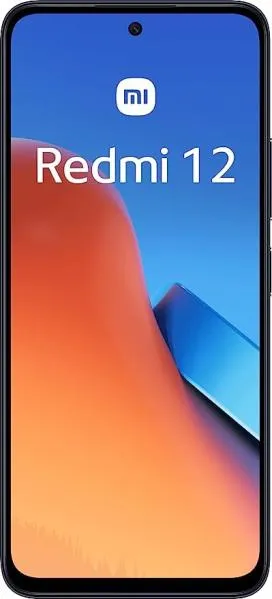
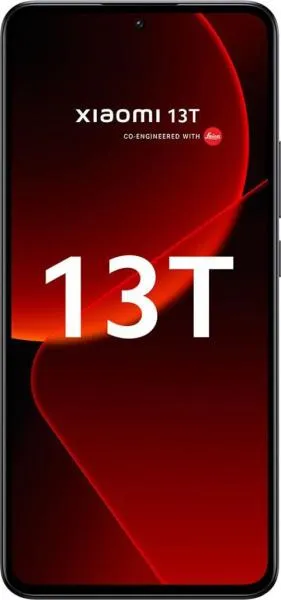
1. Specifications Comparison
| Feature | Xiaomi Redmi 12 | Xiaomi 13T | Practical Impact |
|---|---|---|---|
| Design | |||
| Dimensions (mm) | 168.6 x 76.3 x 8.2 | 162.2 x 75.7 x 8.5 | 13T is slightly shorter and narrower, but a bit thicker. Negligible difference in everyday use. |
| Weight (g) | 198.5 | 193 | Redmi 12 is slightly heavier, but the difference is minimal. |
| Build | Unspecified | Unspecified | Build materials impact durability and premium feel. Lack of information limits comparison. |
| Display | |||
| Display Type | IPS LCD | AMOLED | AMOLED offers significantly better contrast, deeper blacks, and more vibrant colors. |
| Display Size (inches) | 6.79 | 6.67 | Redmi 12 has a slightly larger screen, but the difference is minor. |
| Resolution | 1080 x 2460 | 1220 x 2712 | 13T has a sharper display with higher pixel density (446 ppi vs 396 ppi). |
| Refresh Rate (Hz) | 90 | 144 | 13T's higher refresh rate provides smoother scrolling and animations, especially noticeable in gaming and fast-paced content. |
| Peak Brightness (nits) | 550 | 2600 | 13T offers dramatically higher peak brightness, ensuring excellent outdoor visibility. |
| HDR | No | HDR10+, Dolby Vision | 13T supports HDR content, resulting in a wider dynamic range and more realistic visuals. |
| Performance | |||
| Chipset | Mediatek Helio G88 (12nm) | Mediatek Dimensity 8200 Ultra (4nm) | 13T's Dimensity 8200 Ultra is significantly more powerful, offering much better performance in demanding tasks and gaming. The 4nm process also means better power efficiency. |
| CPU | Octa-core (2x2.0 GHz Cortex-A75 & 6x1.8 GHz Cortex-A55) | Octa-core (1x3.1 GHz Cortex-A78 & 3x3.0 GHz Cortex-A78 & 4x2.0 GHz Cortex-A55) | 13T has a more powerful CPU architecture with higher clock speeds, resulting in faster processing. |
| GPU | Mali-G52 MC2 | Mali-G610 MC6 | 13T features a considerably more powerful GPU, enabling smoother gaming and graphics-intensive tasks. |
| RAM | 4GB/8GB | 8GB/12GB | 13T offers more RAM, improving multitasking and overall system responsiveness. |
| Camera | |||
| Main Camera | 50MP | 50MP (Sony IMX707) | While both have 50MP sensors, the 13T uses a larger, higher-quality Sony IMX707 sensor, likely capturing better detail and low-light performance. |
| Ultrawide | 8MP | 13MP | 13T's ultrawide offers higher resolution. |
| Telephoto | No | 50MP (5x optical zoom) | 13T features a dedicated telephoto lens for optical zoom, enabling significantly better zoomed shots. Redmi 12 lacks a dedicated telephoto lens. |
| Video Recording | 1080p@30fps | 4K@30fps | 13T records higher resolution video. |
| Battery | |||
| Capacity (mAh) | 5000 | 5000 | Both phones have the same battery capacity. However, the 13T's more efficient chipset likely translates to longer battery life in real-world usage. |
2. Key Differences Analysis
Xiaomi 13T Advantages:
- Significantly superior performance: The Dimensity 8200 Ultra chipset and more RAM provide a substantial performance advantage for demanding tasks and gaming.
- Much better display: AMOLED technology, higher resolution, refresh rate, and peak brightness deliver a vastly improved visual experience.
- More versatile camera system: Includes a high-quality telephoto lens for optical zoom and a superior main sensor.
- Faster charging: While not specified in detail, the 13T generally boasts faster charging capabilities than the Redmi series.
Xiaomi Redmi 12 Advantages:
- Lower price: The Redmi 12 is significantly more affordable.
3. User Profiles & Recommendations
Xiaomi 13T: Ideal for users who prioritize performance, a high-quality display, a versatile camera, and future-proofing. Suitable for demanding tasks like gaming, content creation, and media consumption.
Xiaomi Redmi 12: Best suited for budget-conscious users who prioritize basic functionality for everyday tasks like calling, texting, web browsing, and social media. Less suitable for demanding applications or high-quality photography.
4. Decision Framework
Key Questions:
- What is your budget? The Redmi 12 offers significantly better value if budget is a primary concern.
- What are your primary use cases? For demanding tasks and gaming, the 13T is a must. For basic use, the Redmi 12 may suffice.
- How important is display and camera quality? The 13T offers a dramatically better visual experience and a more versatile camera system.
My Choice: Xiaomi 13T
While the Redmi 12 offers great value for its price, the Xiaomi 13T is the clear winner for me. The significantly improved performance, superior display, versatile camera system with a dedicated telephoto lens, and future-proofing offered by the more advanced chipset make it a worthwhile investment. The smoother user experience provided by the 144Hz AMOLED display and the ability to handle demanding tasks without lag are crucial for my needs. While I acknowledge the price difference, the long-term benefits and overall user experience of the 13T outweigh the higher cost.
