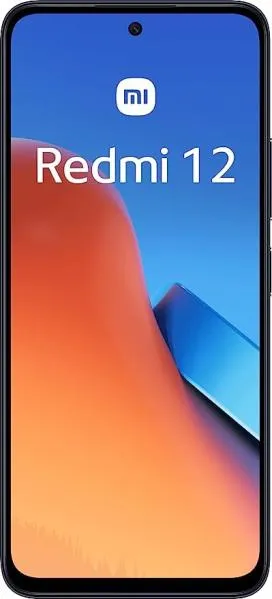

1. Specifications Comparison
| Feature | Xiaomi Redmi 12 | vivo X100 Pro | Practical Impact |
|---|---|---|---|
| Design | |||
| Dimensions (mm) | 168.6 x 76.3 x 8.2 | 164.1 x 75.3 x 8.9 | X100 Pro is slightly shorter, narrower, but thicker. Negligible difference in everyday use. |
| Weight (g) | 198.5 | 221 | Redmi 12 is noticeably lighter, reducing hand fatigue during extended use. |
| Build Material | Not specified | Not specified | Cannot compare build quality and durability without material information. |
| Display | |||
| Display Type | IPS LCD | LTPO AMOLED | X100 Pro offers superior contrast, deeper blacks, and potentially better power efficiency due to AMOLED technology. |
| Display Size (inches) | 6.79 | 6.78 | Virtually identical screen sizes. |
| Resolution | 1080 x 2460 | 1260 x 2800 | X100 Pro boasts significantly sharper visuals due to higher resolution. |
| Refresh Rate (Hz) | 90 | 120 | X100 Pro provides smoother animations and scrolling with a higher refresh rate. |
| Peak Brightness (nits) | 550 | 3000 | X100 Pro offers exceptional outdoor visibility with much higher peak brightness. |
| Performance | |||
| Chipset | Mediatek Helio G88 (12nm) | Mediatek Dimensity 9300 (4nm) | X100 Pro offers significantly faster processing and better power efficiency due to a more advanced and smaller chipset. |
| CPU | Octa-core (2x2.0 GHz Cortex-A75 & 6x1.8 GHz Cortex-A55) | Octa-core (1x3.25 GHz Cortex-X4 & 3x2.85 GHz Cortex-X4 & 4x2.0 GHz Cortex-A720) | X100 Pro's CPU architecture is considerably more powerful, enabling smoother multitasking and demanding application usage. |
| GPU | Mali-G52 MC2 | Immortalis-G720 MC12 | X100 Pro offers substantially better gaming and graphics performance. |
| RAM | 4GB/8GB | 16GB | X100 Pro provides vastly superior multitasking capabilities with significantly more RAM. |
| Camera | |||
| Main Camera | 50MP | 50MP (1-inch sensor) | Despite the same resolution, X100 Pro's larger sensor size (1-inch) allows for significantly better low-light performance and depth of field control. |
| Ultrawide | 8MP | 50MP | X100 Pro offers a much higher resolution ultrawide camera for detailed wide-angle shots. |
| Telephoto | No | 50MP | X100 Pro includes a dedicated telephoto lens for optical zoom, lacking in Redmi 12. |
| Video Recording | 1080p@30fps | 8K@30fps | X100 Pro supports significantly higher resolution video recording. |
| Battery | |||
| Capacity (mAh) | 5000 | 5400 | X100 Pro offers slightly larger battery capacity. However, real-world battery life depends on various factors including display and chipset efficiency. |
2. Key Differences Analysis
Xiaomi Redmi 12 Advantages:
- Lower Price: Significantly more affordable.
- Lighter Weight: More comfortable for extended use.
vivo X100 Pro Advantages:
- Superior Performance: Significantly faster processor, GPU, and more RAM for smoother multitasking and demanding tasks.
- High-Quality Display: AMOLED display with higher resolution, refresh rate, and brightness for a vastly improved visual experience.
- Advanced Camera System: Larger sensor, higher resolution ultrawide and telephoto lenses, and superior video recording capabilities.
- Larger Battery: Slightly larger battery capacity.
3. User Profiles & Recommendations
Xiaomi Redmi 12: Budget-conscious users who prioritize basic smartphone functionality (calling, texting, social media) and light gaming.
vivo X100 Pro: Users who demand top-tier performance, a premium display, and advanced camera capabilities. Suitable for demanding tasks, mobile gaming, and content creation.
4. Decision Framework
Key Questions for Buyers:
- What is your budget? The Redmi 12 is significantly cheaper.
- What are your primary smartphone usage patterns? For basic tasks, the Redmi 12 suffices. For demanding tasks and content creation, the X100 Pro is better suited.
- How important are display quality and camera capabilities? The X100 Pro offers a significant upgrade in both areas.
My Choice: vivo X100 Pro
While the Xiaomi Redmi 12 offers excellent value for its price, the vivo X100 Pro is the clear winner for me. The significantly superior performance, stunning display, and vastly improved camera system outweigh the price difference. I prioritize a smooth user experience, high-quality visuals, and the ability to capture great photos and videos. The X100 Pro excels in all these areas, making it the better long-term investment despite the higher cost. The Redmi 12 feels like a compromise in too many crucial areas for a slight price saving.
