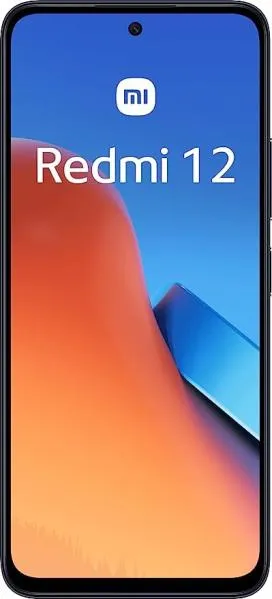

1. Specifications Comparison
| Feature | Xiaomi Redmi 12 | vivo V30 | Practical Impact |
|---|---|---|---|
| Design | |||
| Dimensions (mm) | 168.6 x 76.3 x 8.2 | 164.4 x 75.1 x 7.5 | The vivo V30 is slightly smaller and thinner, making it potentially more pocketable. |
| Weight (g) | 198.5 | 186 | The vivo V30 is noticeably lighter, improving one-handed use and reducing fatigue. |
| Fingerprint Sensor | Side-mounted | Under-display | Preference-based, but under-display is often perceived as more modern. |
| Display | |||
| Display Type | IPS LCD | AMOLED | AMOLED offers deeper blacks, richer colors, and better power efficiency in dark mode. |
| Display Size (inches) | 6.79 | 6.78 | Negligible size difference. |
| Resolution | 1080 x 2460 | 1260 x 2800 | The vivo V30 has a sharper display with higher pixel density, resulting in clearer text and images. |
| Refresh Rate (Hz) | 90 | 120 | The vivo V30's 120Hz display provides smoother animations and scrolling compared to the Redmi 12's 90Hz. |
| Peak Brightness (nits) | 550 | 2800 | The vivo V30's significantly higher peak brightness ensures excellent outdoor visibility. |
| HDR | No HDR support detected | HDR10+ | The vivo V30 supports HDR10+ for enhanced video playback with wider color gamut and dynamic range. |
| Performance | |||
| Chipset | Mediatek Helio G88 (12nm) | Qualcomm Snapdragon 7 Gen 3 (4nm) | The Snapdragon 7 Gen 3 is significantly more powerful and efficient due to its smaller manufacturing process. This translates to better performance in demanding tasks and games, along with improved battery life. |
| CPU | Octa-core (2x2.0 GHz Cortex-A75 & 6x1.8 GHz Cortex-A55) | Octa-core (1x2.63 GHz Cortex-A715 & 3x2.4 GHz Cortex-A715 & 4x1.8 GHz Cortex-A510) | The vivo V30's CPU offers faster clock speeds and newer architecture, leading to significantly improved performance. |
| GPU | Mali-G52 MC2 | Adreno 720 | The Adreno 720 is a much more capable GPU, providing significantly better gaming performance and smoother graphics rendering. |
| RAM | 4GB/8GB | 8GB/12GB | The vivo V30 offers more RAM in its base configuration, enabling better multitasking and smoother performance. |
| Camera | |||
| Rear Camera | 50MP Main, 8MP Wide, 2MP Macro | 50MP Main, 50MP Wide | The vivo V30 has a higher resolution ultrawide lens offering better image quality in wide shots. Data is lacking on detailed sensor specifications for a thorough comparison. |
| Front Camera | 8MP | 50MP | The vivo V30 boasts a much higher resolution front camera for superior selfie quality. |
| Video Recording | 1080p@30fps | 4K@30fps with EIS | The vivo V30 supports higher resolution video recording with Electronic Image Stabilization (EIS) for smoother footage. |
| Battery | |||
| Capacity (mAh) | 5000 | 5000 | Similar battery capacity. Actual battery life will depend on usage and efficiency of the chipset and display. |
2. Key Differences Analysis
Xiaomi Redmi 12 Advantages:
- Lower Price: Expected to be significantly cheaper.
vivo V30 Advantages:
- Significantly Better Performance: The Snapdragon 7 Gen 3 chipset offers a substantial performance advantage for demanding tasks and gaming.
- Superior Display: AMOLED technology with higher resolution, refresh rate, and peak brightness provides a dramatically better visual experience.
- Enhanced Camera System: Higher resolution ultrawide and selfie cameras, along with 4K video recording and OIS, deliver improved image and video quality.
- More Premium Design: Lighter and slimmer build.
3. User Profiles & Recommendations
Xiaomi Redmi 12: Budget-conscious users who prioritize basic functionality and affordability for everyday tasks like calling, texting, and web browsing.
vivo V30: Users who value a premium multimedia experience, smooth performance for gaming and demanding apps, and a high-quality camera system.
4. Decision Framework
Key Questions for Buyers:
- What is your budget? The Redmi 12 is significantly more affordable.
- What are your primary use cases? For basic tasks, the Redmi 12 suffices. For demanding games, multimedia consumption, and photography, the vivo V30 excels.
- How important is display quality? The vivo V30's AMOLED display offers a vastly superior visual experience.
My Choice: vivo V30
While significantly more expensive, the vivo V30 offers a substantial upgrade in almost every aspect. The superior performance, stunning display, and enhanced camera system make it a much more compelling device for a long-term investment. The Snapdragon 7 Gen 3 provides future-proofing for demanding applications and games, while the AMOLED display offers a significantly better viewing experience. Even though the price difference is significant, the value proposition of the vivo V30, in terms of performance and user experience, makes it the clear winner for me. The Redmi 12 serves its purpose as a budget device but compromises heavily on performance and features.
