1. Specifications Comparison
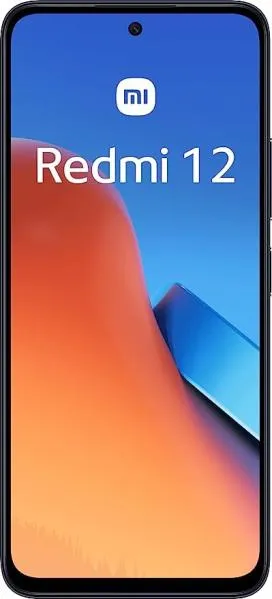
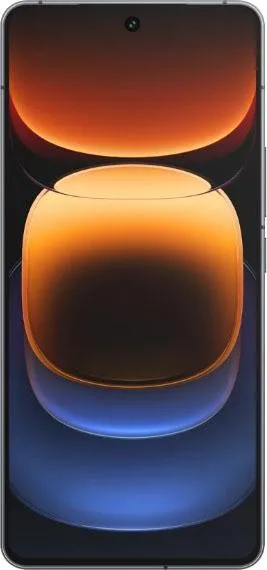
| Feature | Xiaomi Redmi 12 | vivo iQOO 12 | Practical Impact |
|---|---|---|---|
| Design | |||
| Dimensions (mm) | 168.6 x 76.3 x 8.2 | 163.2 x 75.9 x 8.1 | iQOO 12 is slightly smaller and may feel more comfortable in hand. |
| Weight (g) | 198.5 | 198.5 | Identical weight. |
| Display | |||
| Display Type | IPS LCD | LTPO AMOLED | AMOLED offers significantly better contrast, deeper blacks, and potentially better power efficiency due to individual pixel control. iQOO 12's LTPO allows for dynamic refresh rate adjustment, further saving battery. |
| Display Size (inches) | 6.79 | 6.78 | Negligible size difference. |
| Resolution | 1080 x 2460 | 1260 x 2800 | iQOO 12 has a sharper display with higher pixel density (453 ppi vs 396 ppi), resulting in crisper text and images. |
| Refresh Rate (Hz) | 90 | 144 | iQOO 12's 144Hz refresh rate delivers smoother animations and scrolling compared to Redmi 12's 90Hz. More noticeable in fast-paced games and UI interactions. |
| Peak Brightness (nits) | 550 | 3000 | iQOO 12's significantly higher peak brightness ensures better visibility in direct sunlight. |
| HDR | No HDR10/10+ | HDR10+ | iQOO 12 supports HDR10+ for enhanced dynamic range and color accuracy in compatible content. |
| Performance | |||
| Chipset | Mediatek Helio G88 | Snapdragon 8 Gen 3 | Snapdragon 8 Gen 3 is a flagship-level processor, significantly more powerful than the Helio G88. Expect drastically better performance in demanding tasks, gaming, and multitasking on the iQOO 12. |
| CPU | Octa-core (2x2.0 GHz Cortex-A75 & 6x1.8 GHz Cortex-A55) | Octa-core (1x3.3 GHz Cortex-X4 & 3x3.2 GHz Cortex-A720 & 2x3.0 GHz Cortex-A720 & 2x2.3 GHz Cortex-A520) | iQOO 12's CPU architecture is newer and far more powerful. |
| GPU | Mali-G52 MC2 | Adreno 750 | Adreno 750 offers significantly better graphics performance for gaming and other graphically intensive tasks. |
| RAM | 4GB/8GB | 12GB/16GB | iQOO 12 has much more RAM, enabling smoother multitasking and allowing more apps to run in the background without performance degradation. |
| Camera | |||
| Main Camera | 50MP | 50MP | Similar megapixel count, but sensor quality and other factors influence overall image quality. iQOO 12 uses a larger sensor (1/1.3") compared to Redmi 12 (1/2.76"), potentially capturing more light and detail. |
| Video Recording | 1080p@30fps | 8K@30fps | iQOO 12 offers significantly higher resolution video recording capabilities. |
| Battery | |||
| Capacity | 5000 mAh | 5000 mAh | Similar battery capacity. However, iQOO 12's LTPO display and more efficient processor might result in better overall battery life. |
2. Key Differences Analysis
Xiaomi Redmi 12 Advantages:
- Lower Price: Significantly more affordable.
vivo iQOO 12 Advantages:
- Significantly more powerful: Superior CPU, GPU, and more RAM ensure a fluid and responsive experience.
- Higher Quality Display: AMOLED with higher resolution, refresh rate, and HDR support.
- Better Camera System: Larger main sensor, higher resolution video recording (up to 8K), and optical zoom capabilities.
- Faster Charging: While not explicitly stated, flagship phones like the iQOO 12 generally feature faster charging than budget-oriented phones.
Trade-offs:
- Redmi 12 sacrifices performance, display quality, and camera features for affordability.
- iQOO 12 comes at a significantly higher price.
3. User Profiles & Recommendations
Xiaomi Redmi 12:
- Ideal User: Budget-conscious users prioritizing basic functionality (calling, texting, social media, light web browsing).
- Use Cases: Everyday communication, casual social media use, light gaming.
vivo iQOO 12:
- Ideal User: Power users, gamers, photography enthusiasts, those prioritizing a premium experience and top-tier performance.
- Use Cases: Demanding gaming, professional photography/videography, multitasking, content creation.
4. Decision Framework
Key Questions for Buyers:
- What is your budget? The price difference is substantial.
- What are your primary smartphone usage patterns? Basic tasks vs demanding applications?
- How important are display quality, performance, and camera capabilities?
Scenario-Based Recommendations:
- Limited Budget: Redmi 12 offers good value for basic needs.
- Prioritizing Performance and Features: iQOO 12 is the clear winner.
My Choice: vivo iQOO 12
While significantly more expensive, the vivo iQOO 12 offers a vastly superior user experience across the board. The Snapdragon 8 Gen 3, combined with ample RAM and a high refresh rate AMOLED display, guarantees a smooth and responsive experience. The advanced camera system and potential for better battery life due to the LTPO display further solidify its position as the better choice for me. I prioritize performance, a fluid user interface, and a high-quality display, making the iQOO 12 worth the investment. The Redmi 12 is a good budget option, but the performance gap is too significant to ignore for my personal needs.
