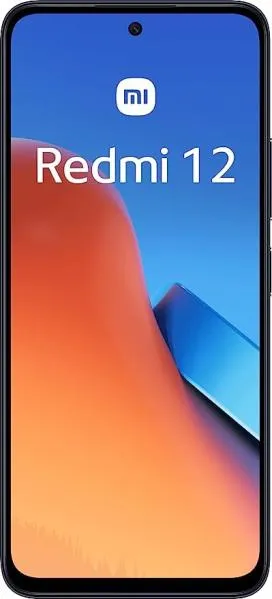

1. Specifications Comparison
| Feature | Xiaomi Redmi 12 | Sony Xperia 10 V | Practical Impact |
|---|---|---|---|
| Design | |||
| Dimensions (mm) | 168.6 x 76.3 x 8.2 | 155 x 68 x 8.3 | Redmi 12 is larger and may feel less comfortable in hand for some. Xperia 10 V is more compact and pocketable. |
| Weight (g) | 198.5 | 159 | Xperia 10 V is significantly lighter, reducing hand fatigue during extended use. |
| Build Material | Not specified | Not specified | Cannot compare build quality and durability without material information. |
| Display | |||
| Display Type | IPS LCD | OLED | OLED generally offers deeper blacks, better contrast, and potentially lower power consumption compared to IPS LCD. |
| Display Size (inches) | 6.79 | 6.1 | Redmi 12 offers a larger screen for media consumption but may be less one-hand friendly. Xperia 10 V provides a more manageable size. |
| Resolution | 1080 x 2460 | 1080 x 2520 | Comparable sharpness despite different aspect ratios. |
| Refresh Rate (Hz) | 90 | Not specified | A 90Hz refresh rate on the Redmi 12 should result in smoother scrolling and animations compared to a standard 60Hz display (assuming Xperia 10 V is 60Hz). |
| Performance | |||
| Chipset | Mediatek Helio G88 (12nm) | Qualcomm Snapdragon 695 5G (6nm) | Snapdragon 695 is built on a more efficient process (6nm vs 12nm), likely resulting in better battery life and performance. It also offers 5G connectivity. |
| CPU | Octa-core (2x2.0 GHz Cortex-A75 & 6x1.8 GHz Cortex-A55) | Octa-core (2x2.2 GHz Kryo 660 Gold & 6x1.7 GHz Kryo 660 Silver) | Snapdragon 695 likely offers better overall CPU performance due to its architecture and higher clock speeds. |
| GPU | Mali-G52 MC2 | Adreno 619 | Adreno 619 generally provides better gaming performance compared to Mali-G52 MC2. |
| RAM | 4GB/8GB | 6GB/8GB | More RAM options on both. 8GB ensures smoother multitasking. |
| Camera | |||
| Main Camera (MP) | 50 | 48 | Megapixel count doesn't solely determine image quality. Sensor size and other factors play a crucial role. |
| Other Cameras | 8MP Wide, 2MP Macro | 8MP Wide, 8MP Telephoto | Xperia 10 V offers a more versatile camera setup with a dedicated telephoto lens for optical zoom, while Redmi 12 has a macro lens. |
| Video Recording | 1080p@30fps | 1080p@30fps | Comparable video recording capabilities. |
| Battery | |||
| Capacity (mAh) | 5000 | 5000 | Same battery capacity, but actual battery life depends on chipset efficiency and software optimization. |
2. Key Differences Analysis
Xiaomi Redmi 12 Advantages:
- Larger Display: Better for media consumption and gaming.
- Higher Refresh Rate: Smoother scrolling and animations.
- Potentially More Affordable: Depending on specific configurations.
Sony Xperia 10 V Advantages:
- More Powerful Chipset: Better overall performance and battery efficiency.
- 5G Connectivity: Faster data speeds and future-proofing.
- More Versatile Camera System: Telephoto lens enables optical zoom.
- Lighter and More Compact: Easier to handle and carry.
- OLED Display: Superior contrast and color accuracy.
3. User Profiles & Recommendations
Xiaomi Redmi 12: Budget-conscious users prioritizing a large display for media consumption and casual gaming.
Sony Xperia 10 V: Users who value performance, 5G connectivity, a compact form factor, a versatile camera, and an excellent display. Suitable for those who want a reliable all-around device.
4. Decision Framework
Key Questions for Buyers:
- Budget: How much are you willing to spend?
- Performance Needs: Do you require a powerful phone for demanding tasks or gaming?
- Display Preference: Do you prefer a larger LCD or a smaller, more vibrant OLED?
Scenario-Based Recommendations:
- Limited Budget & Large Screen: Redmi 12.
- Performance & Future-Proofing: Xperia 10 V.
- Compact & Premium Feel: Xperia 10 V.
My Choice: Sony Xperia 10 V
While the Redmi 12 offers a larger display and a potentially lower price, the Xperia 10 V's superior performance, 5G connectivity, more versatile camera system with a telephoto lens, lighter and more compact design, and OLED display make it a more compelling overall package for me. I prioritize a smooth user experience, future-proof features, and a comfortable phone to carry, making the Xperia 10 V the better choice despite the likely higher price. The more efficient chipset and OLED display would likely result in better battery life in real-world usage, addressing a key concern for me. The telephoto lens offers greater photographic flexibility compared to a macro lens.
