1. Specifications Comparison
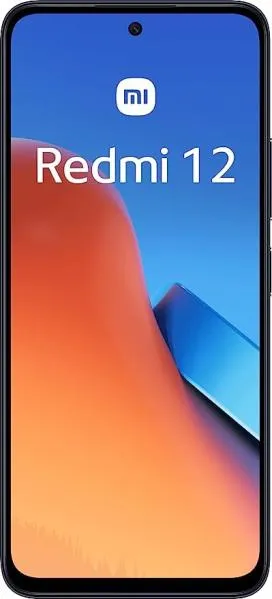
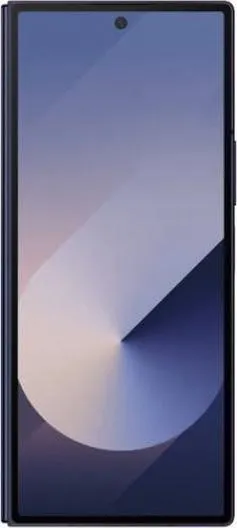
| Feature | Xiaomi Redmi 12 | Samsung Galaxy Z Fold6 | Practical Impact |
|---|---|---|---|
| Design | |||
| Dimensions (mm) | 168.6 x 76.3 x 8.2 | 153.5 x 132.6 x 5.6 (folded) | Z Fold6 significantly more compact when folded, but thicker and wider unfolded. Redmi 12 is a traditional slab phone design. |
| Weight (g) | 198.5 | 239 | Z Fold6 noticeably heavier due to folding mechanism and larger display. |
| Foldable | No | Yes | Z Fold6 offers a larger screen in a pocketable size and unique multitasking capabilities. Redmi 12 is more conventional. |
| Display | |||
| Size (inches) | 6.79 | 7.6 (main), ~6.3(cover) | Z Fold6 boasts a much larger main display for immersive content consumption and productivity. Redmi 12's display is still large for a traditional phone. |
| Resolution (px) | 1080 x 2460 | 1856 x 2160 (main), 968 x 2376 (cover) | Z Fold6 has a sharper main display despite being larger. |
| Type | IPS LCD | Foldable Dynamic AMOLED 2X | Z Fold6 offers superior contrast, vibrant colors, and potentially better power efficiency with AMOLED technology. |
| Refresh Rate (Hz) | 90 | 120 | Z Fold6 delivers smoother animations and scrolling. |
| Peak Brightness (nits) | 550 | 2600 | Z Fold6 is drastically brighter, ensuring excellent outdoor visibility. |
| Performance | |||
| Chipset | Mediatek Helio G88 (12nm) | Qualcomm Snapdragon 8 Gen 3 (4nm) | Z Fold6 significantly more powerful, enabling demanding tasks and gaming. Redmi 12 suitable for everyday use. |
| CPU | Octa-core (2x2.0 GHz Cortex-A75 & 6x1.8 GHz Cortex-A55) | Octa-core (1x3.39 GHz Cortex-X4 & 3x3.1 GHz Cortex-A720 & 2x2.9 GHz Cortex-A720 & 2x2.2 GHz Cortex-A520) | Z Fold6's CPU offers a substantial performance leap. |
| GPU | Mali-G52 MC2 | Adreno 750 | Z Fold6's GPU offers significantly improved graphics performance for gaming and demanding applications. |
| RAM (GB) | 4/8 | 12 | Z Fold6 provides ample RAM for multitasking and demanding applications. Redmi 12's 4GB RAM might show limitations with heavy multitasking. |
| Camera | |||
| Main Camera (MP) | 50 | 50 | Comparable megapixel count, but image quality likely differs due to sensor and processing differences. |
| Video Recording | 1080p@30fps | Up to 8K@30fps | Z Fold6 offers superior video recording capabilities with higher resolution and frame rates. |
| Battery | |||
| Capacity (mAh) | 5000 | 4400 | Redmi 12 boasts larger battery capacity. However, Z Fold6's larger display and powerful processor could impact real-world battery life. Direct comparison difficult without usage tests. |
2. Key Differences Analysis
Xiaomi Redmi 12 Advantages:
- Lower Price: Significantly more affordable.
- Larger Battery Capacity: Potentially longer battery life for basic usage.
- Lighter and Thinner: More comfortable for one-handed use.
Samsung Galaxy Z Fold6 Advantages:
- Significantly More Powerful: Superior performance for demanding tasks and gaming.
- Foldable Design: Offers larger screen real estate and unique multitasking.
- Higher Quality Display: Brighter, more vibrant, and smoother with higher refresh rate.
- Superior Camera Capabilities: Higher resolution video recording and more advanced features.
3. User Profiles & Recommendations
Xiaomi Redmi 12: Budget-conscious users prioritizing basic communication, social media, and light content consumption. Ideal for users who value battery life and affordability over cutting-edge features.
Samsung Galaxy Z Fold6: Power users, multitaskers, and content creators who demand top-tier performance, a large and stunning display, and innovative features. Ideal for users who value productivity and cutting-edge technology and are willing to pay a premium.
4. Decision Framework
Key Questions for Buyers:
- What is your budget? The Redmi 12 is a budget-friendly option, while the Z Fold6 is a premium device.
- What are your primary use cases? Basic tasks vs. demanding applications, multitasking, content creation.
- Do you value portability and a large screen? The Z Fold6 offers a large screen in a foldable form factor, while the Redmi 12 is a more traditional large-screen phone.
My Choice: Samsung Galaxy Z Fold6
While the Redmi 12 offers excellent value for its price, the Z Fold6's superior performance, innovative foldable design, stunning display, and advanced camera capabilities make it the clear winner for me. I prioritize a smooth and powerful user experience, multitasking capabilities, and high-quality content consumption. The premium price is justified by the significant advancements in technology and user experience. The foldable form factor is a game changer for productivity and portability, allowing me to have a tablet-sized screen in my pocket. While battery life is a concern, I am willing to compromise slightly for the significant gains in other areas.
