1. Specifications Comparison
| Feature | Xiaomi Redmi 12 | Samsung Galaxy Z Flip5 | Practical Impact |
|---|---|---|---|
| Design | |||
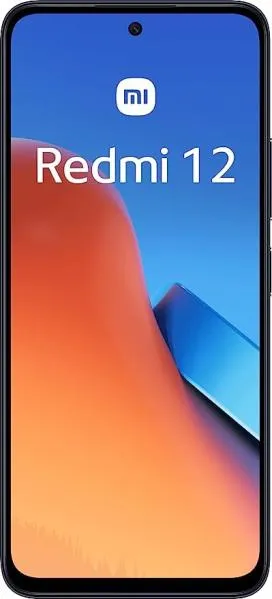
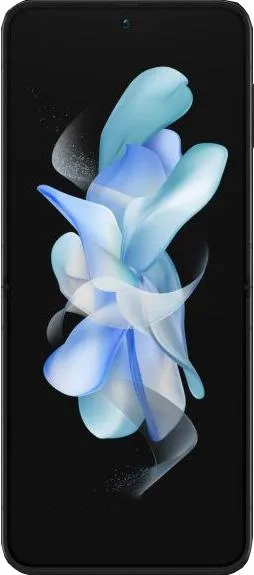
| Dimensions (mm) | 168.6 x 76.3 x 8.2 | 165.1 x 71.9 x 6.9 (folded) | Z Flip5 significantly more compact when folded, pocketable. Redmi 12 is a standard candybar design. |
| Weight (g) | 198.5 | 187 | Negligible weight difference in practical use. |
| Foldable | No | Yes | Z Flip5 offers unique portability and form factor. |
| Display | |||
| Size (inches) | 6.79 | 6.7 | Similar screen real estate. |
| Resolution (px) | 1080 x 2460 | 1080 x 2640 | Comparable sharpness, Z Flip5 slightly taller aspect ratio. |
| Type | IPS LCD | Foldable Dynamic AMOLED 2X | Z Flip5 offers superior contrast, vibrant colors, and deeper blacks due to AMOLED technology. |
| Refresh Rate (Hz) | 90 | 120 | Z Flip5 provides smoother scrolling and animations. |
| Peak Brightness (nits) | 550 | 1750 | Z Flip5 dramatically brighter, significantly improving outdoor visibility. |
| Performance | |||
| Chipset | Mediatek Helio G88 (12nm) | Snapdragon 8 Gen 2 (4nm) | Z Flip5 significantly more powerful, enabling smoother multitasking, demanding gaming, and faster app loading. |
| CPU | Octa-core (2x2.0 GHz A75 & 6x1.8 GHz A55) | Octa-core (1x3.36 GHz X3 & ... & 3x2.0 GHz A510) | Z Flip5 boasts a much more powerful CPU architecture. |
| GPU | Mali-G52 MC2 | Adreno 740 | Z Flip5 offers a substantial leap in graphics performance for gaming and graphically intensive tasks. |
| RAM (GB) | 4/8 | 8 | Z Flip5 ensures smoother multitasking with more RAM. |
| Camera | |||
| Rear Camera (MP) | 50MP Main, 8MP Wide, 2MP Macro | 12MP Main, 12MP Wide | While Redmi 12 has higher megapixel count on the main sensor, Z Flip5 likely produces superior image quality due to flagship-grade processing and sensor technology. |
| Video Recording | 1080p@30fps | Up to 4K@60fps with HDR | Z Flip5 offers significantly better video recording capabilities with higher resolution and HDR. |
| Battery | |||
| Capacity (mAh) | 5000 | 3700 | Redmi 12 has a larger battery capacity, potentially leading to longer battery life. However, Z Flip5's more efficient processor may offset this difference. |
2. Key Differences Analysis
Xiaomi Redmi 12 Advantages:
- Lower Price: Significantly more affordable.
- Larger Battery: Potentially longer battery life.
- Standard Design: Familiar form factor for some users.
Samsung Galaxy Z Flip5 Advantages:
- Significantly More Powerful: Superior performance in all aspects.
- Foldable Design: Unique portability and usability.
- Superior Display: Brighter, more vibrant, and smoother.
- Better Camera System: Expected to produce superior image quality despite lower megapixel count on the main sensor.
- Faster Charging: Likely faster charging speeds (specification missing for Redmi 12).
Trade-offs:
- Price: Z Flip5's premium features come at a significantly higher price.
- Battery Life: Z Flip5's smaller battery may result in shorter battery life despite efficient processor.
- Durability: Foldable displays may have concerns regarding long-term durability compared to traditional displays.
3. User Profiles & Recommendations
Xiaomi Redmi 12: Budget-conscious users prioritizing basic functionality, long battery life, and affordability. Ideal for:
- Casual users primarily using social media, browsing, and light tasks.
- Users on a tight budget.
Samsung Galaxy Z Flip5: Users seeking cutting-edge technology, premium experience, and unique portability. Ideal for:
- Power users demanding top-tier performance and multitasking capabilities.
- Content creators leveraging the high-quality camera and foldable design.
- Users valuing portability and a compact form factor.
4. Decision Framework
Key Questions:
- What is your budget? The Z Flip5 is a significantly more expensive device.
- What are your performance needs? For demanding tasks and gaming, the Z Flip5 is far superior.
- Do you value portability and a unique form factor? The Z Flip5's foldable design is a key differentiator.
My Choice: Samsung Galaxy Z Flip5
While the Redmi 12 offers great value for its price, I would choose the Samsung Galaxy Z Flip5. The significantly superior performance, stunning display, and innovative foldable design outweigh the higher price and potentially shorter battery life for me. The compact form factor is highly appealing, and the flagship-level experience offered by the Z Flip5 aligns better with my personal preferences for a smooth and powerful smartphone experience. I am willing to pay the premium for the advanced technology and the convenience of the foldable design.
