1. Specifications Comparison
| Feature | Xiaomi Redmi 12 | Samsung Galaxy Tab S9 FE+ | Practical Impact |
|---|---|---|---|
| Design | |||
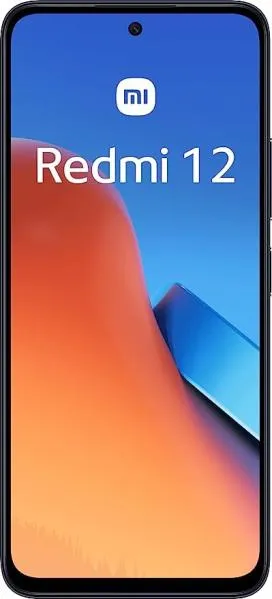
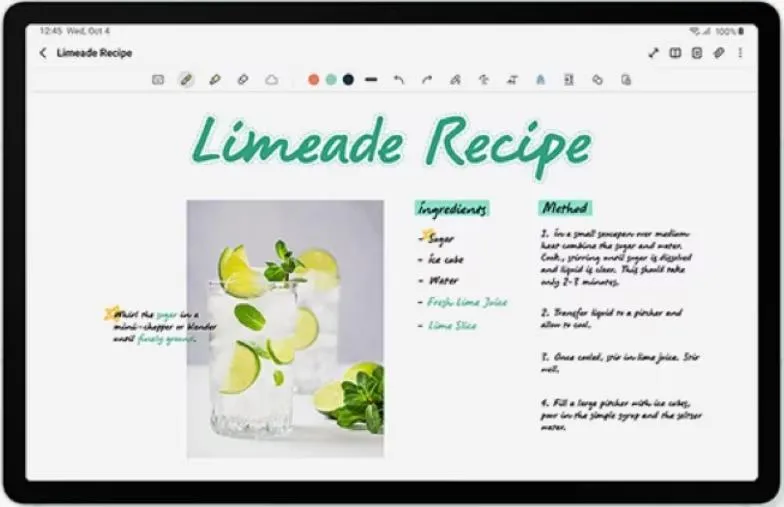
| Dimensions (mm) | 168.6 x 76.3 x 8.2 | 285.4 x 185.4 x 6.5 | Redmi 12 is a typical smartphone size; Tab S9 FE+ is a large tablet. Portability is significantly different. |
| Weight (g) | 198.5 | 627 | Redmi 12 is much lighter and easier to hold for extended periods. Tab S9 FE+ is better suited for desk/lap use. |
| Build | Unspecified | Unspecified | Build quality and materials can impact durability and feel, but we lack data for comparison. |
| Display | |||
| Size (inches) | 6.79 | 12.4 | Tab S9 FE+ offers significantly more screen real estate for media consumption and multitasking. |
| Resolution (px) | 1080 x 2460 | 1600 x 2560 | Despite the lower pixel density (PPI) on the Tab S9 FE+, its larger size provides a more immersive viewing experience. Redmi 12's higher PPI might offer slightly sharper text. |
| Type | IPS LCD, 90Hz | IPS LCD, 90Hz | Both offer smooth scrolling and animations due to the 90Hz refresh rate. |
| PPI | 396 | 243 | Redmi 12 has a sharper display due to higher pixel density, beneficial for text clarity and image detail. |
| Performance | |||
| Chipset | Mediatek Helio G88 (12nm) | Exynos 1380 (5nm) | Exynos 1380 is built on a more advanced process, likely resulting in significantly better performance and power efficiency. |
| CPU | Octa-core (2x2.0 GHz Cortex-A75 & 6x1.8 GHz Cortex-A55) | Octa-core (4x2.4 GHz Cortex-A78 & 4x2.0 GHz Cortex-A55) | Tab S9 FE+ has a more powerful CPU architecture, leading to faster app loading, smoother multitasking, and better gaming performance. |
| GPU | Mali-G52 MC2 | Mali-G68 MP5 | Tab S9 FE+ possesses a significantly more powerful GPU, delivering a superior gaming and graphics-intensive task experience. |
| RAM | 4/8 GB | 8/12 GB | Tab S9 FE+ offers more RAM, enabling better multitasking and preventing apps from closing in the background. |
| Camera | |||
| Rear Camera | 50MP Main, 8MP Wide, 2MP Macro | 12MP Main, 8MP Wide | Redmi 12 boasts a higher resolution main sensor. Image quality depends on factors beyond resolution (sensor size, software processing), which are not fully available. Tab S9 FE+ lacks a dedicated macro lens. |
| Front Camera | 8MP | 8MP | Similar resolution; however, image quality could vary due to sensor and software differences not detailed here. |
| Battery | |||
| Capacity (mAh) | 5000 | 10090 | Tab S9 FE+ has a substantially larger battery, expected to provide significantly longer usage time given its larger display. |
2. Key Differences Analysis
Xiaomi Redmi 12 Advantages:
- Portability: Significantly smaller and lighter, making it ideal for one-handed use and pocket carry.
- Potentially Lower Price: Belongs to a "medium price" range, likely more affordable than the Tab S9 FE+.
- Higher Resolution Main Camera: 50MP main camera potentially captures more detail.
Samsung Galaxy Tab S9 FE+ Advantages:
- Larger Display: Offers a more immersive experience for media consumption, multitasking, and creative tasks.
- Superior Performance: Exynos 1380 chipset and more RAM provide significantly faster and smoother performance.
- Longer Battery Life: Massive 10090mAh battery ensures extended usage.
- Longer Software Support: Expected to receive more OS updates than Redmi 12.
3. User Profiles & Recommendations
Xiaomi Redmi 12: Suitable for users seeking an affordable, portable smartphone for everyday tasks like communication, social media, and light gaming.
Samsung Galaxy Tab S9 FE+: Ideal for users who prioritize a large screen for productivity, media consumption, creative work (drawing, note-taking), and gaming. Better suited for those who value performance and longevity over ultimate portability.
4. Decision Framework
Key Questions for Buyers:
- What is your primary use case? (e.g., communication, media consumption, productivity, gaming)
- What is your budget?
- How important is portability?
Scenario-Based Recommendations:
- Limited budget, prioritize communication and portability: Redmi 12
- Student needing a device for note-taking and media consumption: Tab S9 FE+
- Gamer seeking high performance on a large screen: Tab S9 FE+
- Professional needing a portable device for emails and light productivity: Redmi 12 (depending on specific needs, Tab S9 FE+ might be better if a larger screen is crucial)
My Choice: Samsung Galaxy Tab S9 FE+
While the Redmi 12 offers excellent value for its price, I would choose the Samsung Galaxy Tab S9 FE+. The significantly more powerful processor, larger display for enhanced productivity and media consumption, longer battery life, and expected longer software support outweigh the benefits of the Redmi 12's portability and lower price for my personal needs. I value performance and a larger screen for multitasking and creative work, making the Tab S9 FE+ a better fit despite its size and price. I am willing to compromise on portability for the significant gains in other areas. However, if budget were a major constraint and my primary needs were basic communication and portability, the Redmi 12 would be a solid choice.
