1. Specifications Comparison
| Feature | Xiaomi Redmi 12 | Samsung Galaxy Tab S9 FE | Practical Impact |
|---|---|---|---|
| Design | |||
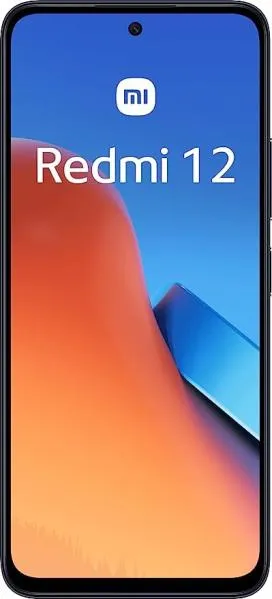
| Dimensions (mm) | 168.6 x 76.3 x 8.2 | 254.3 x 165.8 x 6.5 | Redmi 12 is a typical smartphone size; Tab S9 FE is a significantly larger tablet. Portability and one-handed use differ greatly. |
| Weight (g) | 198.5 | 523 | Redmi 12 is much lighter and easier to hold for extended periods. Tab S9 FE is better suited for desk or lap use. |
| Build Material | Unspecified | Unspecified | Material affects durability and premium feel. Without specifics, comparison is impossible. |
| Display | |||
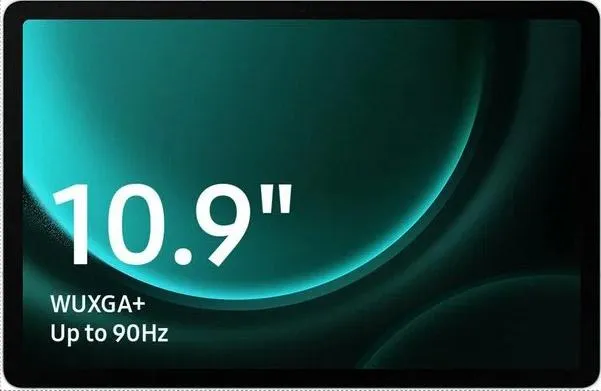
| Size (inches) | 6.79 | 10.9 | Tab S9 FE offers a much larger screen for media consumption and multitasking, but less pocketable. |
| Resolution | 1080 x 2460 | 1440 x 2304 | Despite lower pixel density (396 vs 249 ppi), Redmi 12's smaller screen will likely appear sharper. Tab S9 FE's larger display is better for split-screen and productivity. |
| Type/Refresh Rate | IPS LCD, 90Hz | IPS LCD, 90Hz | Both offer smooth scrolling and animations thanks to 90Hz. IPS LCD indicates good color reproduction but potentially weaker blacks compared to OLED. |
| Performance | |||
| Chipset | Mediatek Helio G88 (12nm) | Exynos 1380 (5nm) | Exynos 1380 is built on a smaller process node, indicating significantly better performance and power efficiency than the Helio G88. |
| CPU | Octa-core (2x2.0 GHz A75 & 6x1.8 GHz A55) | Octa-core (4x2.4 GHz A78 & 4x2.0 GHz A55) | Tab S9 FE has faster and more powerful CPU cores, resulting in smoother multitasking, faster app loading, and better gaming performance. |
| GPU | Mali-G52 MC2 | Mali-G68 MP5 | Tab S9 FE possesses a considerably more powerful GPU, enabling smoother gaming and graphics-intensive tasks. |
| RAM | 4/8 GB | 6/8 GB | Both offer ample RAM for multitasking, though higher RAM options on both devices will improve performance with heavy usage. |
| Camera | |||
| Rear Camera | 50MP Main, 8MP Wide, 2MP Macro | 12MP Main | Redmi 12 offers a more versatile camera system with an ultrawide lens. Megapixel count doesn't tell the whole story; image quality depends on sensor size and processing. |
| Front Camera | 8MP | 8MP | Similar resolution; practical difference will depend on image processing and software features. |
| Battery | |||
| Capacity (mAh) | 5000 | 8000 | Tab S9 FE's significantly larger battery will provide much longer usage time, crucial for a tablet. |
2. Key Differences Analysis
Xiaomi Redmi 12 Advantages:
- More Portable: Smaller size and weight make it ideal for on-the-go use.
- Potentially Sharper Display: Higher pixel density may result in a clearer image despite the smaller size.
- More Affordable: Generally priced lower than the Tab S9 FE.
- More Versatile Camera: Ultrawide lens adds flexibility for photography.
Samsung Galaxy Tab S9 FE Advantages:
- Larger Display: Better for media consumption, multitasking, and productivity.
- Significantly More Powerful: Superior processor and GPU for demanding tasks and gaming.
- Much Longer Battery Life: Larger battery capacity allows for extended usage without recharging.
- Newer OS with Longer Support: Likely to receive more software updates than the Redmi 12.
3. User Profiles & Recommendations
Xiaomi Redmi 12: Ideal for budget-conscious users who prioritize portability and basic smartphone functionality. Suitable for everyday tasks like calling, texting, social media, and casual photography.
Samsung Galaxy Tab S9 FE: Best suited for users who need a larger screen for entertainment, productivity, creative work, or gaming. Its powerful hardware can handle demanding applications. Not ideal for those prioritizing portability.
4. Decision Framework
Key Questions for Buyers:
- What is your primary use case? (e.g., communication, entertainment, productivity)
- What is your budget?
- How important is portability?
Scenario-Based Recommendations:
- Limited budget, prioritize calling and texting: Redmi 12
- Need a large screen for media and productivity: Tab S9 FE
- Want a powerful device for gaming and creative work: Tab S9 FE
- Need a phone that easily fits in a pocket: Redmi 12
My Choice: Samsung Galaxy Tab S9 FE
While the Redmi 12 offers excellent value for its price, I would choose the Samsung Galaxy Tab S9 FE. The significantly more powerful processor, larger display for productivity and media consumption, and longer battery life are crucial for my usage. I prioritize performance and a larger screen real estate for multitasking and creative work, making the Tab S9 FE a better fit despite its larger size and higher price. The longer software support expected from Samsung is also a deciding factor for me. While portability is important, I am willing to compromise for the significant performance and productivity benefits of the Tab S9 FE. The lack of NFC is a minor inconvenience for me personally.
