1. Specifications Comparison
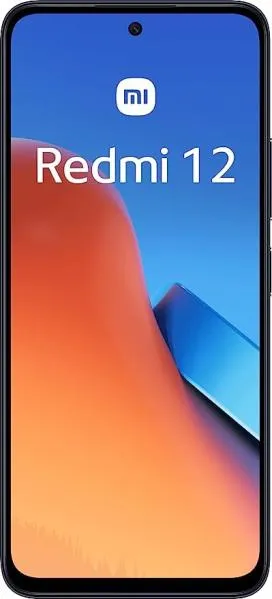
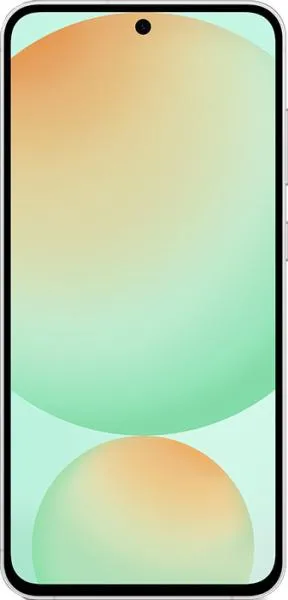
| Feature | Xiaomi Redmi 12 | Samsung Galaxy S24 FE | Practical Impact |
|---|---|---|---|
| Design | |||
| Dimensions (mm) | 168.6 x 76.3 x 8.2 | 162 x 77.3 x 8 | Redmi 12 is slightly taller and thicker. S24 FE is slightly wider. Negligible difference in hand feel for most users. |
| Weight (g) | 198.5 | 213 | S24 FE is noticeably heavier, potentially impacting one-handed use. |
| Build Materials | Not specified | Not specified | Cannot compare build quality and durability. |
| Display | |||
| Display Type | IPS LCD | Dynamic AMOLED 2X | AMOLED offers superior contrast, deeper blacks, and potentially better power efficiency. |
| Display Size (inches) | 6.79 | 6.7 | Negligible size difference. |
| Resolution (pixels) | 1080 x 2460 | 1080 x 2340 | Very similar pixel density, resulting in comparable sharpness. |
| Refresh Rate (Hz) | 90 | 120 | S24 FE's 120Hz offers smoother scrolling and animations. |
| Peak Brightness (nits) | 550 | 1900 | S24 FE is significantly brighter, ensuring better outdoor visibility. |
| HDR | No | HDR10+ | S24 FE supports HDR content, resulting in a wider dynamic range and more vibrant colors in compatible media. |
| Performance | |||
| Chipset | Mediatek Helio G88 (12nm) | Exynos 2400e (4nm) | S24 FE's Exynos chip is built on a smaller process node, suggesting significantly better performance and power efficiency. |
| CPU | Octa-core (2x2.0 GHz Cortex-A75 & 6x1.8 GHz Cortex-A55) | Deca-core (1x3.1 GHz + 2x2.9 GHz + 3x2.6 GHz + 4x1.95 GHz) | S24 FE boasts higher clock speeds and more cores, indicating superior multitasking and demanding application performance. |
| GPU | Mali-G52 MC2 | Xclipse 940 | S24 FE's GPU should offer significantly better gaming and graphics performance. |
| RAM (GB) | Data inconsistent - 4GB/8GB listed | 8 | More RAM in S24 FE allows for smoother multitasking and less frequent app reloading. |
| Camera | |||
| Main Camera (MP) | 50 | 50 | Megapixel count is similar, but sensor size and other factors can significantly impact image quality. |
| Ultrawide (MP) | 8 | 13 | S24 FE offers a higher resolution ultrawide camera. |
| Telephoto (MP) | None | 8 | S24 FE features a dedicated telephoto lens for optical zoom, lacking in Redmi 12. |
| Video Recording | 1080p@30fps | Up to 8K@30fps | S24 FE offers significantly higher video resolution and frame rate options. |
| Battery | |||
| Capacity (mAh) | 5000 | 4700 | Redmi 12 has a slightly larger battery capacity. However, real-world battery life depends on various factors, including software optimization and display efficiency. |
2. Key Differences Analysis
Xiaomi Redmi 12 Advantages:
- Potentially Longer Battery Life: Larger battery capacity might translate to longer usage between charges, but this needs real-world testing to confirm.
- Lower Price: Significantly more affordable.
Samsung Galaxy S24 FE Advantages:
- Superior Performance: More powerful processor, GPU, and more RAM ensure smooth multitasking, demanding gaming, and overall responsiveness.
- Better Display: AMOLED technology delivers vibrant colors, deeper blacks, and higher brightness for excellent outdoor visibility. Higher refresh rate ensures a smoother user experience.
- More Versatile Camera System: Dedicated telephoto lens for optical zoom, higher resolution ultrawide camera, and superior video recording capabilities.
- Faster Charging: USB 3.2 implies faster data transfer and potentially faster charging, though charging speeds are not explicitly stated.
3. User Profiles & Recommendations
Xiaomi Redmi 12: Budget-conscious users who prioritize basic functionality, long battery life, and affordability. Suitable for:
- Casual users primarily focused on calling, texting, and social media.
- Users in areas with limited network connectivity where battery life is paramount.
Samsung Galaxy S24 FE: Users who demand high performance, a premium display, a versatile camera system, and a smooth user experience. Suitable for:
- Mobile gamers
- Content creators (photography and videography)
- Power users who multitask heavily
4. Decision Framework
Key Questions for Buyers:
- What is your budget? The Redmi 12 is significantly cheaper.
- What are your primary smartphone usage patterns? Casual use vs. demanding tasks like gaming or content creation.
- Which features are most important to you? Display quality, performance, camera capabilities, or battery life.
My Choice: Samsung Galaxy S24 FE
While the Redmi 12 offers excellent value for its price, the Samsung Galaxy S24 FE is the superior device overall. The significantly improved performance, brighter and smoother display, more versatile camera system, and faster charging outweigh the slightly smaller battery and higher price for me. The enhanced user experience offered by the S24 FE across various tasks justifies the price difference. I prioritize a smooth and responsive experience, a great display for media consumption, and a capable camera, all of which the S24 FE delivers convincingly. While battery life is important, the performance and efficiency gains from the Exynos 2400e likely offset the slightly smaller battery capacity in real-world usage.
