1. Specifications Comparison
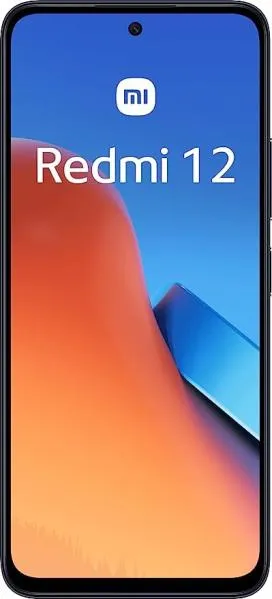
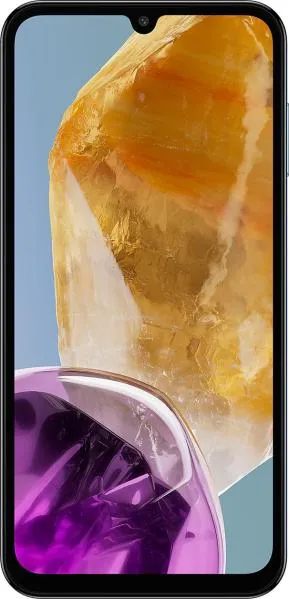
| Feature | Xiaomi Redmi 12 | Samsung Galaxy M15 | Practical Impact |
|---|---|---|---|
| Design | |||
| Dimensions (mm) | 168.6 x 76.3 x 8.2 | 160.1 x 76.8 x 9.3 | Redmi 12 is slightly taller and thinner, M15 slightly wider and thicker. Negligible difference in everyday use. |
| Weight (g) | 198.5 | 217 | Redmi 12 is noticeably lighter, reducing hand fatigue during extended use. |
| Display | |||
| Display Type | IPS LCD | Super AMOLED | AMOLED offers deeper blacks, more vibrant colors, and better power efficiency in dark mode. LCDs often have better color accuracy in bright conditions. |
| Display Size (inches) | 6.79 | 6.5 | Redmi 12 offers a larger screen for more immersive media consumption. |
| Resolution | 1080 x 2460 | 1080 x 2340 | Virtually identical pixel density, resulting in similar sharpness. |
| Refresh Rate (Hz) | 90 | 90 | Both offer smooth scrolling and animations. |
| Peak Brightness (nits) | 550 | 800 | M15's significantly higher brightness ensures better outdoor visibility. |
| Performance | |||
| Chipset | Mediatek Helio G88 (12nm) | Mediatek Dimensity 6100+ (6nm) | Dimensity 6100+ is significantly more powerful and power-efficient due to smaller manufacturing process. Expect smoother multitasking and gaming on the M15. |
| CPU | Octa-core (2x2.0 GHz A75 & 6x1.8 GHz A55) | Octa-core (2x2.2 GHz A76 & 6x2.0 GHz A55) | M15 has faster and more modern CPU cores, translating to significantly better performance. |
| GPU | Mali-G52 MC2 | Mali-G57 MC2 | M15's GPU is more capable, offering better gaming performance. |
| RAM (GB) | 4/8 | 4/6 | Both offer sufficient RAM for most users, but 8GB on Redmi 12 provides more headroom for multitasking. |
| Camera | |||
| Main Camera (MP) | 50 | 50 | Megapixel count is similar, but sensor quality and image processing will ultimately determine real-world performance. More details on sensor models are needed for in-depth comparison. |
| Selfie Camera (MP) | 8 | 13 | M15 offers a higher resolution selfie camera, potentially capturing more detail. |
| Video Recording | 1080p@30fps | 1080p@30fps with EIS | Both record at 1080p, but M15 has Electronic Image Stabilization (EIS) for smoother video footage. |
| Battery | |||
| Capacity (mAh) | 5000 | 6000 | M15 boasts a larger battery capacity, likely resulting in longer battery life. |
2. Key Differences Analysis
Xiaomi Redmi 12 Advantages:
- Larger Display: Provides a more immersive experience for media consumption.
- Lighter Weight: More comfortable for extended use.
- Potentially Lower Price: Depending on specific configuration and market. (Based on provided data having wider price range)
Samsung Galaxy M15 Advantages:
- Significantly Better Performance: Dimensity 6100+ offers a substantial performance advantage for demanding tasks and gaming.
- AMOLED Display: Superior contrast, colors, and power efficiency (in dark mode).
- Higher Brightness Display: Excellent outdoor visibility.
- Larger Battery: Potentially longer battery life.
- Electronic Image Stabilization: Smoother video recording.
- 5G Connectivity: Future-proofed for faster network speeds. (Significant advantage)
3. User Profiles & Recommendations
Xiaomi Redmi 12:
- Ideal User: Budget-conscious users prioritizing a large display for media consumption and casual usage.
- Use Cases: Web browsing, social media, streaming video, light gaming.
Samsung Galaxy M15:
- Ideal User: Users seeking a balance of performance, battery life, and a vibrant display.
- Use Cases: Mobile gaming, demanding applications, multitasking, content creation, users needing excellent outdoor visibility.
4. Decision Framework
Key Questions for Buyers:
- What is your budget? The Redmi 12 is likely more affordable.
- What are your primary use cases? Gamers and power users will appreciate the M15's performance; casual users might find the Redmi 12 sufficient.
- How important is display quality and battery life? The M15's AMOLED and larger battery offer advantages in these areas.
My Choice: Samsung Galaxy M15
While the Redmi 12 offers a larger display and lower weight, the Samsung Galaxy M15's significant performance advantage, superior AMOLED display, larger battery, and 5G connectivity make it the better overall choice for me. The Dimensity 6100+ provides a substantially smoother user experience, and the brighter AMOLED panel offers a more enjoyable viewing experience. The added future-proofing of 5G connectivity outweighs the slight size and weight differences. I prioritize performance and long-term usability, making the M15 the clear winner in my opinion.
