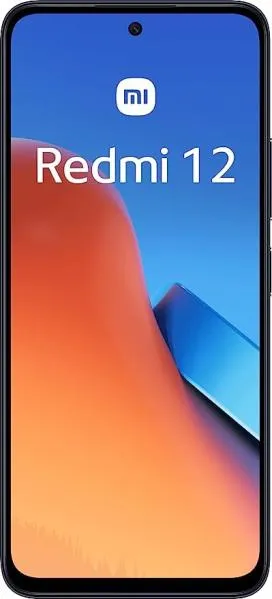
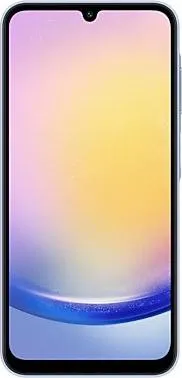
1. Specifications Comparison
| Feature | Xiaomi Redmi 12 | Samsung Galaxy A25 | Practical Impact |
|---|---|---|---|
| Design | |||
| Dimensions (mm) | 168.6 x 76.3 x 8.2 | 161 x 76.5 x 8.3 | Redmi 12 is slightly taller and narrower. Negligible difference in daily use. |
| Weight (g) | 198.5 | 197 | Virtually identical weight. |
| Build Materials | Not specified | Not specified | Cannot compare build quality and durability. |
| Display | |||
| Display Type | IPS LCD | Super AMOLED | AMOLED offers deeper blacks, vibrant colors, and potentially better power efficiency. Redmi 12's LCD might be brighter in direct sunlight. |
| Display Size (inches) | 6.79 | 6.5 | Redmi 12 has a noticeably larger screen, better for media consumption but potentially less pocketable. |
| Resolution | 1080 x 2460 | 1080 x 2340 | Similar sharpness due to comparable pixel densities. |
| Refresh Rate (Hz) | 90 | 120 | A25's 120Hz display will feel smoother for scrolling and gaming. |
| Peak Brightness (nits) | 550 | 1000 | A25 can get significantly brighter, improving outdoor visibility. |
| Performance | |||
| Chipset | Mediatek Helio G88 (12nm) | Exynos 1280 (5nm) | A25's 5nm Exynos chip should offer significantly better performance and power efficiency. |
| CPU | Octa-core (2x2.0 GHz Cortex-A75 & 6x1.8 GHz Cortex-A55) | Octa-core (2x2.4 GHz Cortex-A78 & 6x2.0 GHz Cortex-A55) | A25 has more powerful CPU cores, leading to faster app loading, multitasking, and potentially better gaming performance. |
| GPU | Mali-G52 MC2 | Mali-G68 | A25's GPU is more powerful, enabling smoother gaming and graphics-intensive tasks. |
| RAM | 4GB/8GB | 6GB/8GB | More RAM options for Redmi 12; however, both phones offer sufficient RAM for most users in their respective configurations. |
| OS | Android 13 | Android 14 | A25 launches with a newer Android version, offering potential feature and security advantages. Redmi 12 has one guaranteed OS update to Android 14. |
| Camera | |||
| Main Camera (MP) | 50 | 50 | Megapixel count is similar, but image quality depends on sensor size, processing, and other factors not fully specified. |
| Video Recording | 1080p@30fps | 4K@30fps | A25 can record video at a much higher resolution. |
| Optical Image Stabilization | No | Yes | A25 has OIS, leading to steadier videos and potentially better low-light photos. |
| Battery | |||
| Capacity (mAh) | 5000 | 5000 | Identical battery capacity. Real-world battery life depends on software optimization and hardware efficiency, where the A25 likely has an edge due to its 5nm processor. |
2. Key Differences Analysis
Xiaomi Redmi 12 Advantages:
- Larger Display: Better for media consumption.
- More Affordable: Generally priced lower than the A25.
- More RAM Options: Offers a 4GB RAM variant for budget-conscious buyers.
Samsung Galaxy A25 Advantages:
- Significantly Better Performance: The Exynos 1280 provides a smoother and more responsive user experience.
- Superior Display Quality: AMOLED offers vibrant colors and deeper blacks. Higher refresh rate for smoother visuals. Higher peak brightness for better outdoor visibility.
- Better Camera Features: 4K video recording and Optical Image Stabilization for improved video quality.
- Longer Software Support: Expected to receive more OS and security updates.
3. User Profiles & Recommendations
Xiaomi Redmi 12: Budget-conscious users primarily focused on basic tasks like calling, texting, browsing, and light media consumption. Suitable for users who prioritize a large screen and affordability.
Samsung Galaxy A25: Users who value a smooth and responsive experience, play games, consume a lot of media, and prioritize camera quality. Suitable for users willing to spend more for better performance and features.
4. Decision Framework
Key Questions for Buyers:
- What is your budget? The Redmi 12 is significantly more affordable.
- What are your primary use cases? For basic tasks, the Redmi 12 suffices. For demanding tasks and gaming, the A25 is superior.
- How important is long-term software support? The A25 is likely to receive updates for a longer period.
Scenario-Based Recommendations:
- Tight Budget, Basic Use: Redmi 12
- Balanced Performance and Price: Consider the higher RAM variant of the Redmi 12 if performance is a concern.
- Best Performance and Features: Galaxy A25
My Choice: Samsung Galaxy A25
While the Redmi 12 offers a larger display and a lower price point, the Samsung Galaxy A25's superior performance, AMOLED display, better camera, and longer software support make it a more compelling device overall. The Exynos 1280's efficiency and performance advantages significantly enhance daily usability. While I acknowledge the price difference, the long-term benefits of the A25, including a more future-proof experience, outweigh the initial cost savings of the Redmi 12 for me. I prioritize a smooth, responsive user experience and a high-quality display, making the A25 the clear winner.
