1. Specifications Comparison
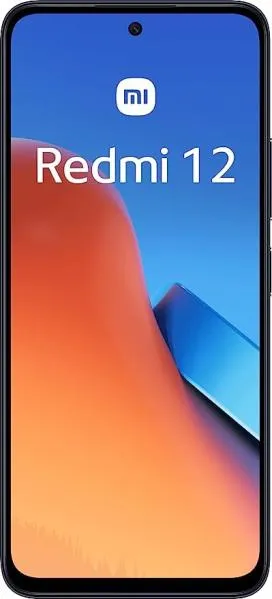
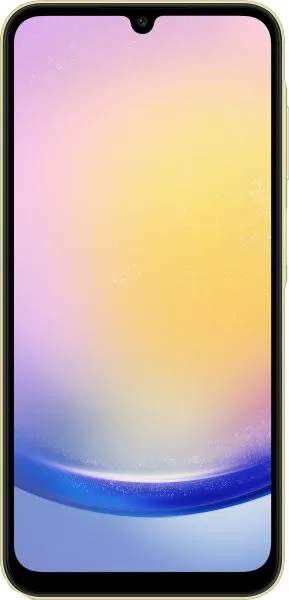
| Feature | Xiaomi Redmi 12 | Samsung Galaxy A15 5G | Practical Impact |
|---|---|---|---|
| Design | |||
| Dimensions (mm) | 168.6 x 76.3 x 8.2 | 160.1 x 76.8 x 8.4 | Redmi 12 is slightly taller and narrower. Negligible difference in daily use. |
| Weight (g) | 198.5 | 200 | Virtually identical weight; no noticeable difference in hand. |
| Display | |||
| Display Type | IPS LCD | Super AMOLED | AMOLED offers richer colors, deeper blacks, and better power efficiency in dark mode. Redmi 12's LCD may be brighter in direct sunlight. |
| Display Size (inches) | 6.79 | 6.5 | Redmi 12 offers a larger screen for media consumption. A15 5G might be more pocketable. |
| Refresh Rate (Hz) | 90 | 90 | Both offer smooth scrolling and animations. |
| Resolution (px) | 1080 x 2460 | 1080 x 2340 | Similar sharpness; Redmi 12 has a slightly taller aspect ratio. |
| Performance | |||
| Chipset | Mediatek Helio G88 (12nm) | Mediatek Dimensity 6100+ (6nm) | A15 5G's 6nm chipset offers significantly better performance and power efficiency. Expect smoother multitasking and gaming. |
| CPU | Octa-core (2x2.0 GHz A75 & 6x1.8 GHz A55) | Octa-core (2x2.2 GHz A76 & 6x2.0 GHz A55) | A15 5G has more powerful cores (A76 vs A75) leading to faster processing speeds. |
| GPU | Mali-G52 MC2 | Mali-G57 MC2 | A15 5G's GPU offers better gaming performance. |
| RAM (Base Model) | 4GB | 4GB* (6GB available) | Base RAM is similar. A15 5G offers higher RAM options for better multitasking. |
| OS | Android 13 | Android 14 | A15 5G ships with a newer Android version and will likely receive longer software updates. |
| Camera | |||
| Main Camera (MP) | 50 | 50 | Similar resolution; image quality depends on sensor and processing, which isn't fully detailed. |
| Selfie Camera (MP) | 8 | 13 | A15 5G has a higher resolution selfie camera. |
| Video Recording | 1080p@30fps | 1080p@30fps with EIS | Both record at 1080p; A15 5G features Electronic Image Stabilization (EIS) for smoother videos. |
| Battery | |||
| Capacity (mAh) | 5000 | 5000 | Similar battery capacity. Actual battery life depends on usage and efficiency of the chipset. A15 5G's more efficient processor likely leads to better battery life. |
*Note: RAM and storage configurations can vary by region. Pricing information is acknowledged but considered volatile and not included in the core comparison.
2. Key Differences Analysis
Xiaomi Redmi 12 Advantages:
- Larger Display: Better for media consumption and gaming.
Samsung Galaxy A15 5G Advantages:
- Significantly Better Performance: Due to a more advanced and efficient chipset.
- AMOLED Display: Superior contrast, colors, and power efficiency in dark mode.
- Newer Android Version & Longer Update Support: More up-to-date software and security features for a longer period.
- Electronic Image Stabilization (EIS): Smoother video recording.
- 5G Connectivity: Faster data speeds and lower latency (future-proofing).
Trade-offs:
- Redmi 12: Larger display but lower performance.
- A15 5G: Smaller display but significantly better performance and features.
3. User Profiles & Recommendations
Redmi 12: Budget-conscious users prioritizing a large display for media consumption who are less demanding in terms of performance and gaming. Suitable for casual browsing, social media, and video watching.
A15 5G: Users who value performance, future-proofing with 5G, a longer software update cycle, and a better overall user experience. Suitable for gaming, multitasking, and demanding applications. Good for users who keep their phones for extended periods.
4. Decision Framework
Key Questions for Buyers:
- What is your budget? While both are mid-range, pricing can fluctuate.
- What are your primary use cases? (e.g., gaming, media consumption, basic communication)
- How important is long-term software support and future-proofing?
Scenario-Based Recommendations:
- Limited Budget, Primarily Media Consumption: Redmi 12
- Balanced Budget, Desire for Performance and Longevity: A15 5G
My Choice: Samsung Galaxy A15 5G
Reasoning: The A15 5G offers a significantly more powerful and efficient processor, leading to a smoother and more responsive user experience. The inclusion of 5G, a newer Android version, and likely longer software support makes it a more future-proof choice. While the Redmi 12 has a larger display, the performance difference and long-term benefits of the A15 5G outweigh the screen size advantage for me. The AMOLED display on the A15 5G is also a significant factor, offering a visually superior experience.
