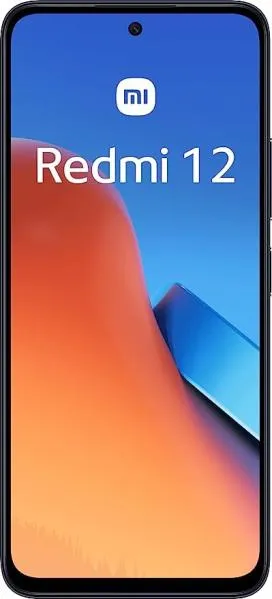
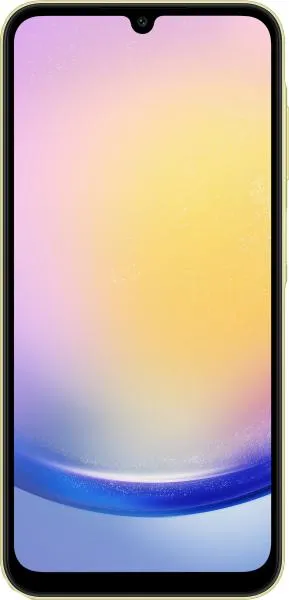
1. Specifications Comparison
| Feature | Xiaomi Redmi 12 | Samsung Galaxy A15 | Practical Impact |
|---|---|---|---|
| Design | |||
| Dimensions (mm) | 168.6 x 76.3 x 8.2 | 160.1 x 76.8 x 8.4 | Redmi 12 is slightly taller and thinner. Negligible difference in everyday use. |
| Weight (g) | 198.5 | 200 | Virtually identical weight; no noticeable difference in hand. |
| Display | |||
| Size (inches) | 6.79 | 6.5 | Redmi 12 offers a larger screen for more immersive media consumption and multitasking. |
| Resolution (px) | 1080 x 2460 | 1080 x 2340 | Similar sharpness due to similar pixel density; Redmi 12's taller aspect ratio provides more vertical screen real estate. |
| Type | IPS LCD | Super AMOLED | A15's AMOLED offers deeper blacks, richer colors, and potentially better power efficiency. Redmi 12's LCD may be brighter in direct sunlight. |
| Refresh Rate (Hz) | 90 | 90 | Both offer smooth scrolling and animations. |
| Performance | |||
| Chipset | Helio G88 (12nm) | Helio G99 (6nm) | A15's 6nm chipset should provide significantly better performance and power efficiency due to smaller transistors. |
| CPU | 2x2.0 GHz A75, 6x1.8 GHz A55 | 2x2.2 GHz A76, 6x2.0 GHz A55 | A15's CPU has faster and more powerful cores, resulting in noticeable performance improvements for demanding tasks and multitasking. |
| GPU | Mali-G52 MC2 | Mali-G57 MC2 | A15 has a more powerful GPU, leading to smoother gaming and faster graphics rendering. |
| RAM (GB) | 4/8/256 | 4/6/8 | Both offer various RAM options, impacting multitasking performance. More RAM is generally better. Missing RAM data for Redmi 12. |
| Camera | |||
| Main Camera (MP) | 50 | 50 | Similar resolution; image quality will depend on sensor and processing. Redmi 12 lists sensor details, indicating potential advantage. |
| Selfie Camera (MP) | 8 | 13 | A15 has a higher resolution selfie camera, potentially capturing more detail. |
| Video | 1080p@30fps | 1080p@30fps | Identical video resolution and frame rate on paper, A15 lists 240fps slow-mo capability |
| Battery | |||
| Capacity (mAh) | 5000 | 5000 | Identical battery capacity; real-world battery life depends on optimization and usage. |
2. Key Differences Analysis
Xiaomi Redmi 12 Advantages:
- Larger Display: Provides a more immersive experience for media consumption.
- Potentially Better Main Camera: Detailed sensor information suggests a possible advantage in image quality, although real-world testing is needed.
- Price: Likely more affordable than the A15 (based on historical Redmi pricing).
Samsung Galaxy A15 Advantages:
- Significantly Better Performance: The 6nm Helio G99 chipset and more powerful CPU/GPU will result in a noticeably smoother and faster user experience.
- AMOLED Display: Superior contrast, colors, and potentially better power efficiency.
- Higher Resolution Selfie Camera: Better for video calls and self-portraits.
- Newer Android OS and Longer Support: Ships with Android 14 with potential updates to 17, indicating longer software support compared to Redmi 12.
3. User Profiles & Recommendations
Xiaomi Redmi 12: Budget-conscious users who prioritize a large display for media consumption and casual gaming. Less demanding users who prioritize basic functionality.
Samsung Galaxy A15: Users who value performance, a vibrant display, and a good selfie camera. Suitable for moderate to heavy multitasking, gaming, and those who desire longer software support.
4. Decision Framework
Key Questions for Buyers:
- What is your budget? The Redmi 12 is likely more affordable.
- What is your primary use case? Media consumption, gaming, multitasking?
- How important is long-term software support? The A15 will likely receive updates for a longer period.
Scenario-Based Recommendations:
- Limited Budget, Basic Use: Redmi 12
- Balanced Performance and Price: Galaxy A15 (depending on specific pricing)
- Performance and Longevity: Galaxy A15
My Choice: Samsung Galaxy A15
While the Redmi 12 offers a larger display, the Galaxy A15's superior performance, more modern chipset (leading to better efficiency and potentially longer lifespan), AMOLED display, newer Android version with longer update horizon, and better selfie camera make it a more compelling overall package for my needs. I prioritize a smooth user experience and long-term value over a slightly larger screen. The performance difference between the Helio G88 and G99 is significant enough to sway my decision. Additionally, longer software updates are important for security and access to newer features.
