1. Specifications Comparison
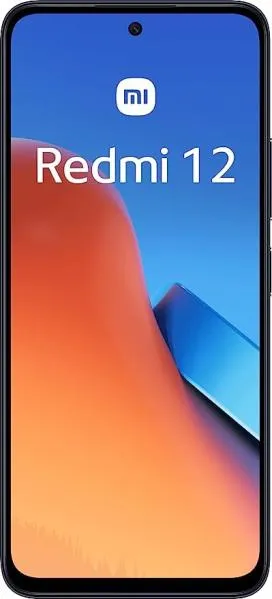
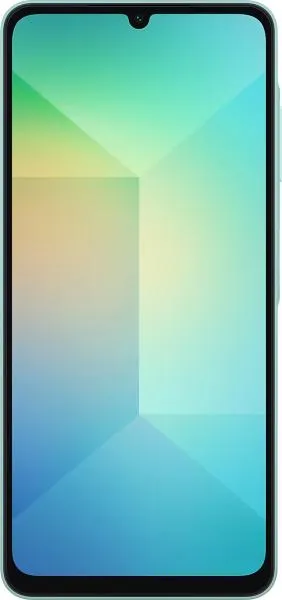
| Feature | Xiaomi Redmi 12 | Samsung Galaxy A06 | Practical Impact |
|---|---|---|---|
| Design | |||
| Dimensions (mm) | 168.6 x 76.3 x 8.2 | 167.3 x 77.3 x 8 | Redmi 12 is slightly taller and narrower. Negligible difference in daily use. |
| Weight (g) | 198.5 | 189 | Galaxy A06 is slightly lighter, but the difference is minimal. |
| Build | Not specified | Not specified | Build quality cannot be compared due to lack of information. |
| Display | |||
| Size (inches) | 6.79 | 6.7 | Redmi 12 has a slightly larger screen. |
| Resolution | 1080 x 2460 | 720 x 1600 | Redmi 12 has a significantly sharper display (396 ppi vs 262 ppi), resulting in clearer text and images. |
| Type | IPS LCD, 90Hz | PLS LCD | Both are LCDs. Redmi 12's 90Hz refresh rate provides smoother scrolling and animations. PLS LCD generally offers slightly better color reproduction and viewing angles than standard IPS LCDs. |
| Performance | |||
| Chipset | Mediatek Helio G88 (12nm) | Mediatek Helio G85 (12nm) | Very similar performance, G88 has a slightly higher clock speed on two cores. |
| CPU | Octa-core (2x2.0 GHz Cortex-A75 & 6x1.8 GHz Cortex-A55) | Octa-core (2x2.0 GHz Cortex-A75 & 6x1.8 GHz Cortex-A55) | Nearly identical CPU configurations, expecting similar performance in everyday tasks. |
| GPU | Mali-G52 MC2 | Mali-G52 MC2 | Same GPU, but G88's slightly higher clock speed may offer minor gaming advantages for Redmi 12. |
| RAM | Dependent on version, up to 8GB | Dependent on version, up to 6GB | Redmi 12 offers configurations with larger RAM, potentially improving multitasking. |
| Camera | |||
| Main Camera | 50MP | 50MP | Megapixel count is the same, but sensor quality and image processing are unknown and could significantly impact image quality. |
| Other Cameras | 8MP ultrawide, 2MP macro, 8MP selfie | 2MP depth, 8MP selfie | Redmi 12 offers an ultrawide lens for broader shots, while A06 has a dedicated depth sensor for portrait mode. Practical image quality differences cannot be assessed with available data. |
| Video | 1080p@30fps | 1080p@30/60fps | A06 offers 60fps recording for smoother video. |
| Battery | |||
| Capacity | 5000 mAh | 5000 mAh | Same battery capacity; real-world battery life will depend on software optimization and usage patterns. |
2. Key Differences Analysis
Xiaomi Redmi 12 Advantages:
- Sharper Display: Significantly higher resolution leads to a much clearer and more detailed viewing experience.
- Smoother Display: 90Hz refresh rate provides a more fluid user experience.
- Potentially More RAM: Configurations with up to 8GB RAM enable better multitasking.
- Ultrawide Camera: Offers versatility in photography.
Samsung Galaxy A06 Advantages:
- Lighter: Slightly less weight might be noticeable for extended use.
- 60fps Video Recording: Smoother video capture.
- Lower Price: Positioned in a lower price bracket.
- Longer Software Support: newer launch date and Android version suggests longer software support timeframe.
Trade-offs:
- Redmi 12's higher resolution and refresh rate may consume more battery.
- Galaxy A06's lower resolution screen significantly compromises visual clarity.
3. User Profiles & Recommendations
Xiaomi Redmi 12: Suitable for users who prioritize display quality, smoother performance, and multitasking capabilities. Ideal for media consumption, gaming, and general use.
Samsung Galaxy A06: Best suited for budget-conscious users who prioritize basic functionality and longer software updates over display quality and performance. Suitable for calling, texting, and light web browsing.
4. Decision Framework
Key Questions for Buyers:
- What is your budget? The Galaxy A06 is cheaper.
- How important is display quality? The Redmi 12 has a vastly superior display.
- What are your primary use cases? The Redmi 12 is better for media consumption and gaming; the A06 is sufficient for basic tasks.
My Choice: Xiaomi Redmi 12
While the Samsung Galaxy A06 is more affordable, the Xiaomi Redmi 12 offers a significantly better user experience due to its superior display and smoother performance. The sharper resolution and 90Hz refresh rate are substantial improvements that impact daily use. While we lack specifics on camera sensor quality, the inclusion of an ultrawide lens adds versatility. For me, the improved display and performance outweigh the minor weight difference and slightly higher price. The much clearer display alone justifies choosing the Redmi 12. Unless budget is extremely tight, the long-term benefits of a better screen make the Redmi 12 the preferable choice.
