1. Specifications Comparison
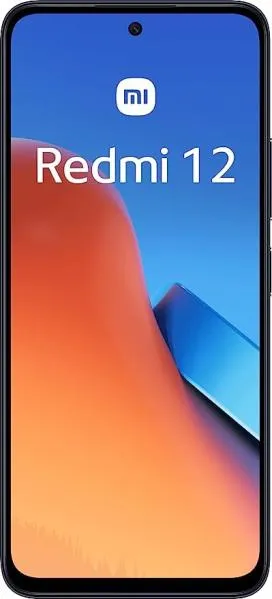
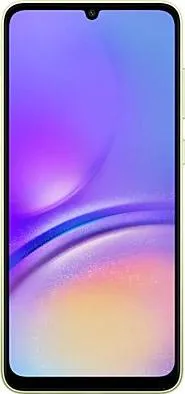
| Feature | Xiaomi Redmi 12 | Samsung Galaxy A05 | Practical Impact |
|---|---|---|---|
| Design | |||
| Dimensions (mm) | 168.6 x 76.3 x 8.2 | 168.8 x 78.2 x 8.8 | Redmi 12 is slightly thinner and narrower. Negligible difference in daily use. |
| Weight (g) | 198.5 | 195 | Virtually identical weight; no noticeable difference in hand. |
| Build Materials | Not specified | Not specified | Cannot compare build quality and durability without more information. |
| Display | |||
| Display Size (inches) | 6.79 | 6.7 | Redmi 12 has a slightly larger screen, offering marginally more viewing space. |
| Resolution (pixels) | 1080 x 2460 | 720 x 1600 | Redmi 12 has a significantly sharper display (396 ppi vs 262 ppi), resulting in clearer text and images. |
| Display Type | IPS LCD, 90Hz | PLS LCD | Redmi 12's 90Hz refresh rate provides smoother scrolling and animations compared to the A05's standard 60Hz (assumed). |
| Performance | |||
| Chipset | Mediatek Helio G88 (12nm) | Mediatek Helio G85 (12nm) | Very similar performance, though benchmarks would be needed to confirm. G88 has a slightly higher clocked GPU. |
| CPU | Octa-core (2x2.0 GHz Cortex-A75 & 6x1.8 GHz Cortex-A55) | Octa-core (2x2.0 GHz Cortex-A75 & 6x1.8 GHz Cortex-A55) | Identical CPU configurations suggest comparable processing power for everyday tasks. |
| GPU | Mali-G52 MC2 | Mali-G52 MC2 | Redmi 12's GPU is clocked at 1000MHz vs 950MHz on the A05, potentially offering slightly better gaming performance. |
| RAM | Configurations vary (4GB/8GB) | Configurations vary (4GB/6GB) | More RAM options with the Redmi 12, allowing for better multitasking, especially the 8GB variant. |
| Camera | |||
| Main Camera (MP) | 50 | 50 | Megapixel count is similar, but sensor quality and image processing are crucial and unknown. |
| Other Cameras | 8MP Wide, 2MP Macro | 2MP Depth | Redmi 12 offers a potentially more useful ultrawide lens compared to A05's depth sensor. |
| Video Recording | 1080p@30fps | 1080p@30/60fps | A05 can record 1080p at 60fps, providing smoother video footage. Redmi 12's video capabilities are more limited. |
| Battery | |||
| Capacity (mAh) | 5000 | 5000 | Identical battery capacity; real-world battery life depends on software optimization and usage patterns. |
| Other | |||
| NFC | Yes | No | Redmi 12 supports contactless payments and data transfer via NFC, A05 does not. |
| Price Range | Medium | Low | Redmi 12 is positioned in a higher price bracket than A05. |
2. Key Differences Analysis
Redmi 12 Advantages:
- Sharper Display: Significantly higher resolution for clearer visuals.
- Smoother Display: 90Hz refresh rate enhances user experience.
- Potentially Better Performance: Slightly faster GPU.
- More RAM Options: Up to 8GB for improved multitasking.
- Ultrawide Camera: Offers greater versatility in photography.
- NFC: Enables contactless payments.
Galaxy A05 Advantages:
- Lower Price: More budget-friendly option.
- 60fps Video Recording: Smoother video capture.
Trade-offs:
- Redmi 12: Higher price for better display, performance, and features.
- Galaxy A05: Compromises on display quality, performance, and features for affordability.
3. User Profiles & Recommendations
Redmi 12: Users who prioritize display quality, smoother performance, versatile camera features (ultrawide), and NFC for contactless payments. Suitable for media consumption, gaming, and general use.
Galaxy A05: Budget-conscious users who prioritize basic functionality and affordability over premium features. Suitable for calling, texting, social media browsing, and light tasks.
4. Decision Framework
Key Questions for Buyers:
- What is your budget? The A05 is significantly cheaper.
- How important is display quality and performance? Redmi 12 excels in these areas.
- Do you need NFC for contactless payments? Only Redmi 12 offers this feature.
Scenario-Based Recommendations:
- Tight Budget: Galaxy A05.
- Balanced Needs: Redmi 12 offers excellent value for its price.
- Focus on Media & Gaming: Redmi 12 due to the better display and slightly faster GPU.
My Choice: Xiaomi Redmi 12
Reasoning: The Redmi 12 offers a significantly better user experience due to its superior display (sharper and smoother) and potentially better performance for a moderate price increase. The inclusion of NFC, a more versatile camera system with an ultrawide lens, and higher RAM options further solidify its value proposition. While the A05 is attractive for its lower price, the compromises in display and performance are significant enough to impact daily usage. The Redmi 12 strikes a compelling balance between price and features, making it a more future-proof and enjoyable device for the average user. The 90Hz refresh rate alone makes a big difference in day-to-day usability.
