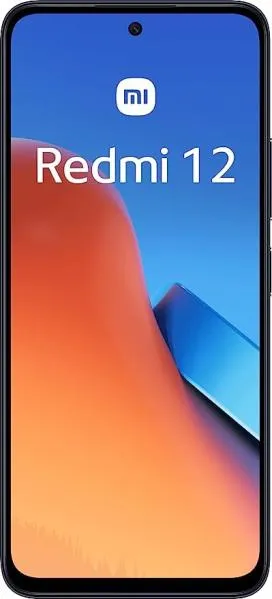
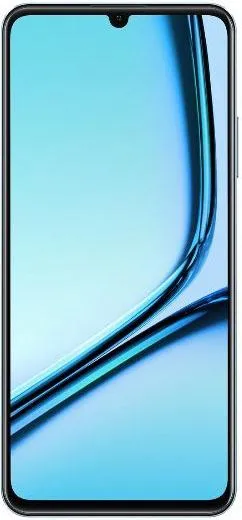
1. Specifications Comparison
| Feature | Xiaomi Redmi 12 | Realme Note 50 | Practical Impact |
|---|---|---|---|
| Design | |||
| Dimensions (mm) | 168.6 x 76.3 x 8.2 | 167.2 x 76.7 x 8 | Redmi 12 slightly taller and narrower |
| Weight (g) | 198.5 | 186 | Realme Note 50 noticeably lighter |
| Build | Not specified | Not specified | Cannot compare build quality |
| Display | |||
| Size (inches) | 6.79 | 6.74 | Negligible size difference |
| Resolution (px) | 1080 x 2460 | 720 x 1600 | Redmi 12 significantly sharper (FHD+ vs HD+) impacting clarity in text, images, and videos |
| PPI | 396 | 260 | Redmi 12 much sharper; noticeable difference in image and text clarity |
| Refresh Rate (Hz) | 90 | 90 | Both offer smooth scrolling and animations |
| Display Type | IPS LCD | IPS LCD | Similar color reproduction and viewing angles expected |
| Performance | |||
| Chipset | Mediatek Helio G88 (12nm) | Unisoc Tiger T612 (12nm) | Helio G88 generally considered slightly more powerful |
| CPU | Octa-core (2x2.0 GHz A75 & 6x1.8 GHz A55) | Octa-core (2x1.8 GHz A75 & 6x1.8 GHz A55) | Redmi 12 likely has a slight performance edge due to higher clock speed on performance cores. |
| GPU | Mali-G52 MC2 | Mali-G57 MP1 | G57 architecture generally newer; individual performance depends on clock speed and implementation, which is not fully specified. |
| RAM | 4/8 GB | 3/4 GB | Redmi 12 offers a higher RAM option, beneficial for multitasking and demanding apps. |
| Camera | |||
| Rear Camera | 50MP Main, 8MP Wide, 2MP Macro | 13MP Main, 2MP B&W | Redmi 12 boasts higher resolution main and wide-angle sensors, potentially capturing more detail. Monochrome sensor on Realme has niche applications. |
| Front Camera | 8MP | 5MP | Redmi 12 higher resolution selfie camera. |
| Video Recording | 1080p@30fps | 1080p@30fps | Similar video recording capabilities |
| Battery | |||
| Capacity (mAh) | 5000 | 5000 | Similar battery life expected, though real-world usage varies. |
| Other | |||
| NFC | Yes | No | Redmi 12 allows for contactless payments and data transfer |
| Price Range | Medium | Low | Realme Note 50 significantly cheaper |
2. Key Differences Analysis
Redmi 12 Advantages:
- Sharper Display: Significantly higher resolution and PPI translates to a much clearer and more detailed viewing experience.
- Potentially Better Performance: Slightly faster CPU and more RAM options should provide smoother multitasking and better performance in demanding applications.
- Superior Camera System: Higher resolution sensors on the main and wide-angle cameras likely result in better image quality.
- NFC: Enables convenient contactless payments and other NFC functionalities.
Realme Note 50 Advantages:
- Lower Price: Significantly more affordable, making it a budget-friendly option.
- Lighter Weight: Noticeably lighter, potentially more comfortable for extended use.
3. User Profiles & Recommendations
Redmi 12: Suitable for users who prioritize display quality, performance, and camera capabilities and are willing to pay a bit more. Ideal for media consumption, mobile gaming, and photography enthusiasts.
Realme Note 50: Best suited for budget-conscious users who prioritize affordability over top-tier specs. Suitable for basic tasks like calling, texting, browsing, and social media. Good for users who value a lighter phone.
4. Decision Framework
Key Questions:
- What is your budget? The Realme Note 50 offers significant cost savings.
- What are your primary smartphone usage patterns? For demanding tasks, the Redmi 12 is better equipped.
- How important is display quality and camera performance? Redmi 12 significantly outperforms the Realme Note 50 in these areas.
My Choice: Xiaomi Redmi 12
While the Realme Note 50 offers an attractive price, the Xiaomi Redmi 12 provides significantly better value for the slightly higher price. The superior display, likely better performance, more versatile camera system, and inclusion of NFC make it a more compelling overall package. The sharper display alone makes a huge difference in daily usage, making web browsing, media consumption, and even simple tasks like reading text more enjoyable. The performance difference, while maybe not massive, combined with greater RAM options will provide a smoother user experience in the long run. For the long-term usability and enjoyment, the Redmi 12 is the better choice.
