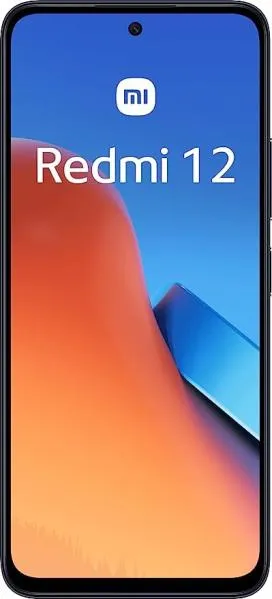
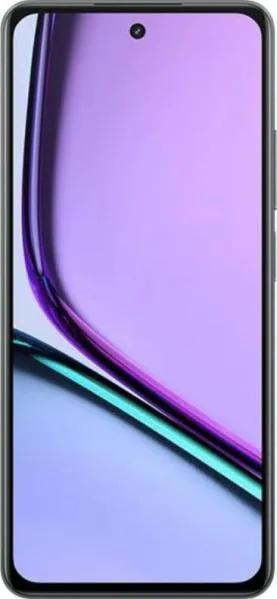
1. Specifications Comparison
| Feature | Xiaomi Redmi 12 | Realme C67 | Practical Impact |
|---|---|---|---|
| Design | |||
| Dimensions (mm) | 168.6 x 76.3 x 8.2 | 165.7 x 76 x 7.9 | Redmi 12 is slightly taller and thicker. Negligible difference in real-world usage. |
| Weight (g) | 198.5 | 190 | Realme C67 is slightly lighter, but the difference is minimal. |
| Build | Unspecified | Unspecified | Build material impacts durability and premium feel. Lack of information limits comparison. |
| Display | |||
| Size (inches) | 6.79 | 6.72 | Redmi 12 has a slightly larger screen. Difference is minimal in practical use. |
| Resolution | 1080 x 2460 | 1080 x 2400 | Virtually identical resolution, resulting in similar sharpness. |
| Refresh Rate (Hz) | 90 | 120 | Realme C67's 120Hz refresh rate provides smoother scrolling and animations. |
| Display Type | IPS LCD | IPS LCD | Both use IPS LCD technology, offering good color reproduction but potentially lacking deep blacks compared to OLED. |
| Peak Brightness (nits) | 550 | 680 (HBM) | Realme C67 gets significantly brighter, improving outdoor visibility. |
| Performance | |||
| Chipset | Mediatek Helio G88 (12nm) | Mediatek Dimensity 6100+ (6nm) | Dimensity 6100+ is built on a smaller node, offering better power efficiency and potentially higher performance. |
| CPU | Octa-core (2x2.0 GHz A75 & 6x1.8 GHz A55) | Octa-core (2x2.2 GHz A76 & 6x2.0 GHz A55) | Realme C67 has a more powerful CPU architecture with faster cores, leading to better performance in demanding tasks. |
| GPU | Mali-G52 MC2 | Mali-G57 MC2 | Realme C67 has a more powerful GPU, likely resulting in smoother gaming and faster graphics rendering. |
| RAM | 4/8 GB | 6 GB | Realme C67's base model offers more RAM, enabling better multitasking and app performance. |
| Camera | |||
| Main Camera (MP) | 50 | 108 | Realme C67 boasts higher resolution, potentially capturing more detail. However, megapixels alone don't guarantee image quality. Sensor size and processing are crucial. |
| Other Cameras | 8MP Wide, 2MP Macro | 2MP Macro | Redmi 12 includes an ultrawide lens, offering more versatility in framing shots. |
| Video Recording | 1080p@30fps | 1080p@30fps | Identical video recording capabilities. |
| Battery | |||
| Capacity (mAh) | 5000 | 5000 | Both phones have the same battery capacity. Real-world battery life depends on usage and optimization. |
2. Key Differences Analysis
Realme C67 Advantages:
- Significantly smoother display: The 120Hz refresh rate provides a noticeably superior user experience in everyday tasks.
- More powerful processor and GPU: The Dimensity 6100+ offers better performance and power efficiency compared to the Helio G88. This translates to faster app loading, smoother multitasking, and better gaming capabilities.
- Brighter Display: The higher peak brightness ensures better visibility in sunlight.
- More RAM in the base model: 6GB RAM ensures smooth multitasking compared to the 4GB option in Redmi 12.
Xiaomi Redmi 12 Advantages:
- Slightly larger display: Minimal difference in practical use.
- NFC: Enables contactless payments and other NFC functionalities.
- Lower starting price (depending on configuration): Offers a more budget-friendly option.
- Ultrawide Camera: Provides more versatility for capturing landscapes and group photos.
3. User Profiles & Recommendations
Realme C67: Suitable for users who prioritize performance, smooth display, and a bright screen for outdoor use. Ideal for gamers, content consumers, and those who value a fluid user experience.
Xiaomi Redmi 12: Best for budget-conscious users who need a reliable phone with NFC functionality. Suitable for casual users, those who prioritize battery life, and those who utilize NFC for payments or other tasks.
4. Decision Framework
Key Questions for Buyers:
- What is your budget? The Redmi 12 generally offers a lower entry price.
- Is performance a priority? The Realme C67 significantly outperforms the Redmi 12.
- Do you need NFC? This is a key differentiating feature, important for contactless payments.
My Choice: Realme C67
While the Redmi 12 offers a lower price point and NFC, the Realme C67's superior performance, smoother 120Hz display, and brighter screen make it a more compelling device overall. The Dimensity 6100+ offers a significant advantage in everyday use and future-proofs the device better. The improved display alone greatly enhances the user experience. While NFC is a useful feature, mobile payment solutions are readily available in many regions through other means. For me, the performance and user experience gains of the Realme C67 outweigh the Redmi 12's price and NFC advantage.
